Setting the Scene: The Living Room Revolution
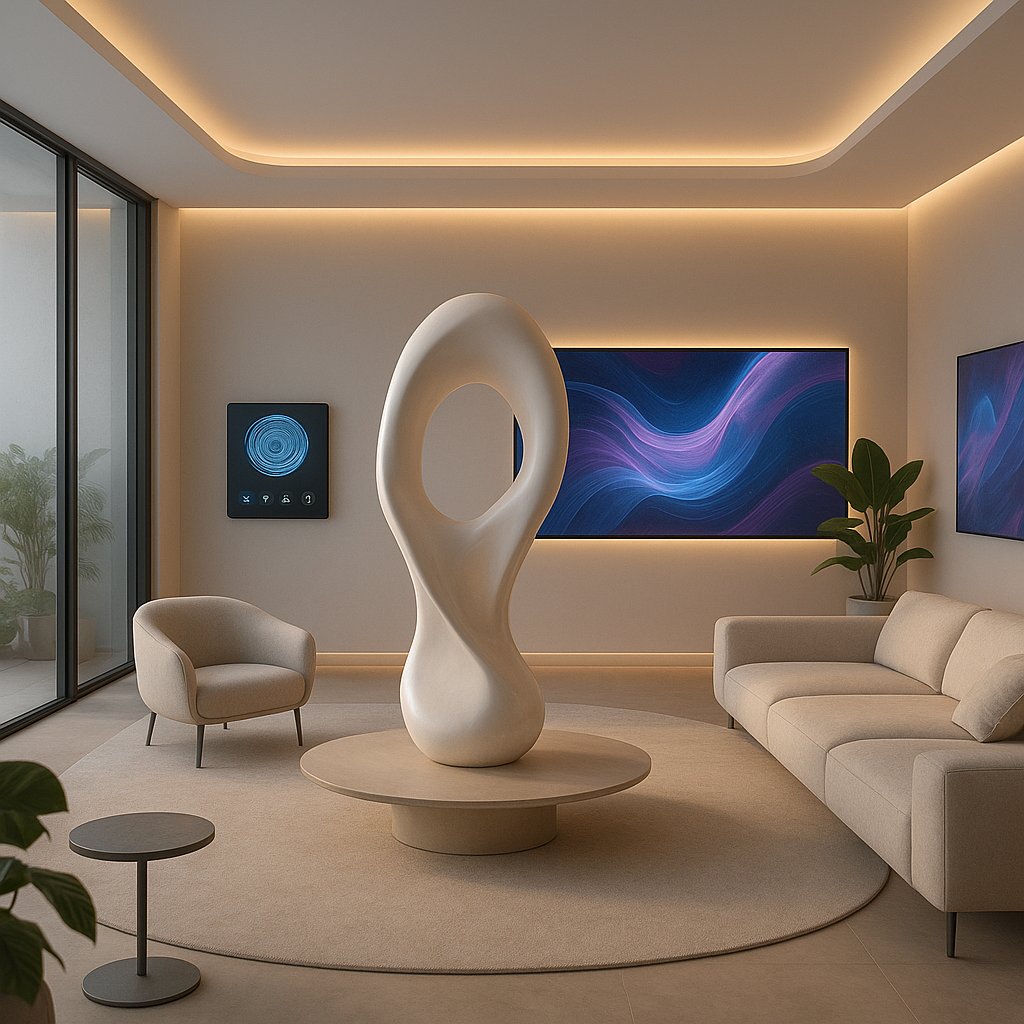
Imagine stepping into a living room where walls adapt their color to your mood, furniture subtly shifts to optimize comfort, and every decorative element reflects a carefully curated blend of technology and tradition. This is not a distant fantasy but a reality unfolding in 2026’s home decor world. With the global home decor market projected to exceed $850 billion by 2028, experts note a seismic shift in how people approach their living environments. Today’s homeowners demand more than aesthetics; they seek spaces that respond to their lifestyle, health, and values.
Consider the rise of biophilic design, where natural elements are seamlessly integrated indoors, or the surge in smart decor that adapts to personal preferences in real-time. This revolution is driven by an intricate combination of technological innovation, ecological awareness, and a deeper understanding of spatial psychology. According to industry analysts, nearly 70% of homeowners in developed countries now prioritize sustainability and smart functionality alongside style.
"Home decor in 2026 is no longer about static beauty but dynamic living experiences that reflect who we are and how we live," notes Dr. Evelyn Hart, a leading design psychologist.
This article explores this transformative moment in home decor, tracing its origins, analyzing current trends, and projecting what the future holds for how we create and interact with our domestic spaces.
Evolution of Home Decor: From Ornamentation to Experience
The trajectory of home decor has long mirrored broader cultural and technological shifts. Historically, decoration was about signaling status and aesthetic taste—ornate Victorian parlors, minimalist mid-century modern interiors, or the maximalist bohemian styles of the early 21st century. However, the past decade has seen home decor transcend superficial beauty into a holistic, immersive experience.
Post-pandemic lifestyle changes accelerated this transformation. With more people working remotely and spending significant time at home, the demand for multifunctional, comfortable, and personalized spaces surged. Additionally, the climate crisis has sharpened the focus on materials and processes, pushing sustainable sourcing and circular economy principles into the spotlight.
Technological breakthroughs have also played a pivotal role. The integration of IoT (Internet of Things) devices with traditional design elements has blurred the lines between utility and decoration. Lighting systems now not only illuminate but also regulate circadian rhythms; furniture can monitor posture and adjust automatically; even artwork can change based on environmental cues.
"The home of the future is a living organism, responding and evolving with its inhabitants," asserts Marcus Lee, CEO of Lumina Living, a pioneer in smart home furnishings.
These shifts underscore a fundamental redefinition of home decor—from static objects to dynamic environments that nurture wellbeing and self-expression.
Data-Driven Trends Shaping 2026’s Home Decor Landscape
Examining market data and consumer behavior reveals several core trends that define the 2026 home decor scene. According to the latest reports from Global Market Insights and Statista, the largest segments driving growth include sustainable materials, smart furnishings, and customizable decor solutions. Here are some key figures and trends:
- Sustainability Dominance: Over 55% of consumers prioritize eco-friendly materials, with bamboo, recycled metals, and bio-based polymers leading in furniture production.
- Smart Decor Integration: The smart home decor segment has grown by over 35% annually since 2023, with innovations in adaptive lighting, AI-driven climate control fabrics, and sensor-embedded furniture.
- Customization and Modular Design: 48% of buyers now demand modular, reconfigurable pieces that evolve with lifestyle changes, reducing waste and enhancing functionality.
- Biophilic Elements: Homes incorporating natural elements—living walls, water features, and organic textures—have surged by 40%, driven by wellness trends.
- Minimalism Meets Maximalism: A paradoxical blend where minimalist functional cores are adorned with maximalist personalized accents, reflecting individual stories and identities.
These data points highlight a consumer landscape that values not only beauty but also responsibility, adaptability, and emotional resonance in decor choices.
For readers interested in practical application, the recent 8 Essential Home Decor Trends Transforming Living Spaces Today offers an insightful companion guide on how these trends manifest in everyday homes.
Current Developments: Innovation and Industry Impact in 2026
The latest innovations in home decor are a testament to cross-disciplinary collaboration between designers, technologists, and environmental scientists. One of the most talked-about advancements is the introduction of AI-powered design assistants that recommend decor layouts based on biometric feedback and lifestyle data. Companies like StyleSense and DecoMind have launched platforms that scan a room and suggest decor changes to optimize mood, health, and social interaction.
Meanwhile, sustainable manufacturing has become a critical industry focus. Startups such as EcoForm and ReVive Furnishings employ advanced 3D printing techniques using recycled ocean plastics and agricultural waste. This not only reduces carbon footprints but also introduces unique textures and aesthetics unavailable through traditional methods.
Retail and distribution channels have evolved as well. The emergence of virtual and augmented reality showrooms enables consumers to visualize and customize their spaces in immersive digital environments before purchase. This technology reduces returns and enhances customer satisfaction.
- AI design assistants tailor recommendations in real-time for over 1 million active users globally.
- Over 30% of new furniture launches in 2026 use recycled or bio-based materials.
- Virtual showrooms have cut average decision time by 25%, according to industry surveys.
These developments underscore a home decor ecosystem that is more responsive, sustainable, and technology-enabled than ever before.
For those seeking foundational knowledge on integrating these innovations into their homes, Mastering Home Decor: A Practical Guide for Beginners offers a step-by-step approach to transforming spaces effectively.
Expert Insights: How Thought Leaders Are Shaping Home Decor’s Future
Leading voices in design and lifestyle emphasize that home decor’s future is deeply intertwined with human-centric values and technological empowerment. Dr. Evelyn Hart explains, "The emotional connection people have with their living spaces is paramount. Technology should serve to deepen this connection, not replace it." This philosophy guides many contemporary designers who blend craftsmanship with innovation.
Marcus Lee highlights the importance of inclusivity and adaptability: "Design must reflect diverse needs and evolving lifestyles. Modular and adaptive furniture is not just a trend but a necessity for urban living." Industry conferences this year have spotlighted circular economy principles, with companies pledging to achieve 100% recyclable product lines by 2030.
Moreover, the psychological impact of decor choices is gaining attention. Research published in the Journal of Environmental Psychology in mid-2026 correlates personalized decor with improved mental health outcomes, reinforcing the idea that homes are extensions of identity and wellbeing.
"Home decor is becoming the ultimate expression of personal identity and comfort," remarks Dr. Hart, underscoring a theme explored in our recent piece Why Home Decor Is Becoming the Ultimate Expression of Personal Identity.
Looking Ahead: What Homeowners Should Watch for in the Coming Years
As we look toward the next five years, several key trajectories emerge that will redefine home decor. First, the deepening integration of AI and machine learning will enable homes to anticipate needs more proactively, creating environments that are almost sentient in their responsiveness. Expect to see decor elements that adjust lighting, temperature, acoustics, and even scent based on biometric data.
Second, sustainability will move beyond materials to encompass full lifecycle responsibility, including repairability, upgradability, and end-of-life recycling. Consumer awareness and regulatory frameworks will drive this shift, pushing manufacturers to innovate in circular design.
Third, personalization will become hyper-local and culturally nuanced, reflecting global diversity and individual heritage. This will foster a new wave of artisan collaborations and digital fabrication techniques that allow for bespoke creation at scale.
"The future of home decor lies in harmonizing technology, sustainability, and human stories," summarizes Marcus Lee.
- AI-enabled adaptive environments will be standard in 60% of new homes by 2030.
- Recyclable and modular design will reduce furniture waste by an estimated 45% within the decade.
- Global artisan partnerships will increase by 30%, blending traditional craft with modern design.
For homeowners and enthusiasts ready to embark on this journey, resources like Unlocking Your Space’s Potential: A Definitive Guide to Starting with Home Decor provide invaluable frameworks.
Ultimately, home decor in 2026 is not just about objects but about crafting meaningful, sustainable, and intelligent experiences that foster wellbeing and expression. The convergence of technology, ecology, and psychology heralds an exciting era where our living spaces truly become reflections of our evolving selves.