From Sensation to Science: The Shift in Indian Beauty Marketing
In 2026, the Indian beauty industry is witnessing a profound transformation. What once was a realm dominated by glamorous endorsements and aspirational imagery has evolved into a landscape where ingredient transparency and scientific efficacy take center stage. Rahul Shanker, the Chief Marketing Officer of The Body Shop India, encapsulates this shift, emphasizing that beauty marketing is no longer about mere allure but about authenticity rooted in ingredient-led narratives.
Consider this: recent market research reveals that over 62% of Indian consumers aged 18 to 35 now prioritize product ingredients over celebrity endorsements when making beauty purchases. This statistic underlines a seismic change in consumer behavior fueled by increasing health consciousness, digital information accessibility, and a growing skepticism toward exaggerated marketing claims. Against this backdrop, brands like The Body Shop India are recalibrating their strategies to align with these evolving expectations.
Rahul Shanker comments,
“Indian consumers today are not just looking for beauty; they want beauty with a purpose. Ingredient-led storytelling empowers them to make informed choices, fostering trust and brand loyalty.”
This article explores the evolution, current dynamics, and future trajectory of ingredient-led beauty marketing in India, with insights from Shanker’s strategic vision at The Body Shop and broader industry trends.
Historical Context: Tracing the Evolution of Beauty Marketing in India
The Indian beauty market has traditionally leaned heavily on aspirational marketing, driven by Bollywood celebrities and grandiose brand promises. For decades, marketing campaigns focused on ideals of glamour, luxury, and social status, often sidelining detailed product information. However, the democratization of knowledge via the internet and social media has steadily eroded this paradigm.
Post-2015, as digital penetration surged with platforms like Instagram and YouTube becoming hubs for beauty tutorials and reviews, consumers gained unprecedented insight into product formulations. The rise of independent beauty influencers and dermatologists sharing ingredient analyses catalyzed a demand for transparency. This was especially pronounced in India’s urban centers, where young professionals began scrutinizing ingredients for safety, efficacy, and ethical sourcing.
Major brands responded cautiously at first, but by the early 2020s, ingredient-led marketing became not just a trend but a necessity. The Body Shop, with its heritage of ethical sourcing and natural ingredients, was well-positioned to lead this shift. Rahul Shanker’s leadership since 2022 has accelerated this focus, blending the brand’s global ethos with Indian consumer sensibilities.
According to industry reports, the Indian natural and organic beauty segment grew at a compound annual growth rate (CAGR) of 18% from 2020 to 2025, dwarfing the overall beauty market growth. This data underscores how ingredient authenticity is not a niche but a mainstream preference shaping marketing approaches.
The Science Behind Ingredient-Led Marketing: Data and Consumer Psychology
Ingredient-led marketing goes beyond mere listing of components; it involves educating consumers on the science and benefits behind each ingredient. This approach builds credibility, especially among millennials and Gen Z consumers who prioritize health and sustainability.
Rahul Shanker explains,
“Our campaigns focus on demystifying complex ingredients, making the science accessible. For example, instead of just saying 'contains vitamin C,' we explain how stabilized vitamin C protects skin from pollution and brightens complexion over time.”
This transparency taps into the psychology of trust. Studies indicate that 75% of Indian consumers are willing to pay a premium for products with clear ingredient sourcing and proven benefits. Moreover, ingredient-led marketing aligns with the rise of ethical consumerism—where product impact on environment and communities influences purchasing decisions.
Some key data points illustrate this trend:
- Ingredient Transparency Impact: Brands highlighting ingredient sourcing saw a 35% higher engagement rate on digital platforms in 2025 compared to those relying on traditional glamour-based marketing.
- Consumer Trust: 68% of surveyed Indian consumers in 2026 consider ingredient certifications and third-party verifications as critical purchase factors.
- Repeat Purchases: Products marketed with ingredient education exhibit a 22% higher customer retention rate.
These figures demonstrate that ingredient-led marketing is not just an aesthetic choice but a strategic lever affecting sales and brand loyalty.
Current Developments in 2026: The Body Shop India's Strategic Moves
The Body Shop India, under Rahul Shanker’s stewardship, has embraced ingredient-led marketing as a core pillar. In 2026, the brand launched several initiatives that epitomize this approach:
- Interactive Digital Platforms: Their revamped mobile app features augmented reality (AR) tools allowing users to explore ingredients virtually, understanding their origin, benefits, and ethical credentials.
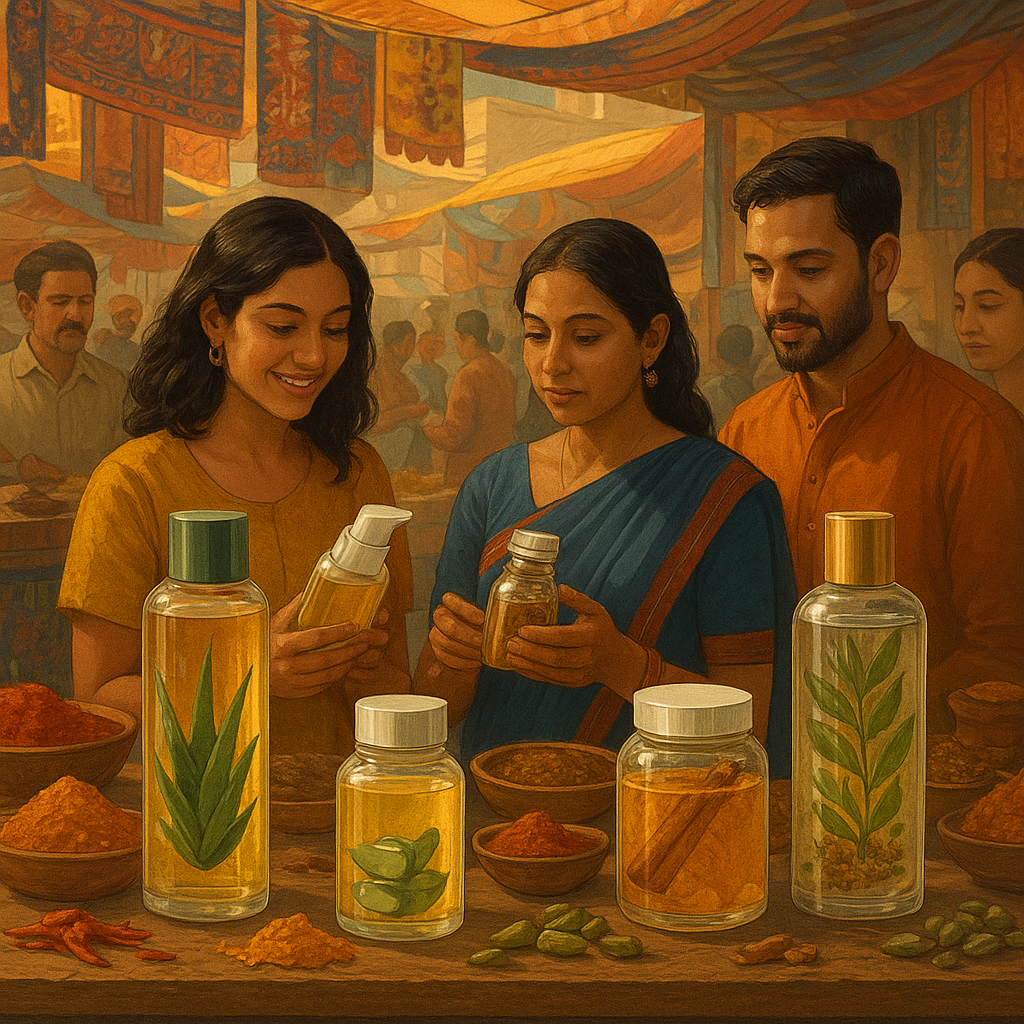
- Localized Ingredient Stories: Campaigns highlight indigenous Indian botanicals like turmeric, neem, and amla, with narratives connecting consumers to India’s rich heritage of natural skincare.
- Transparency Reports: Regularly published ingredient sourcing and impact reports reinforce accountability, strengthening consumer trust.
- Collaborations with Dermatologists: Webinars and social media content featuring experts validate product efficacy, addressing Indian consumers’ growing demand for scientific backing.
These measures have yielded measurable results. The Body Shop India reported a 28% increase in online sales in Q3 2026, attributed largely to ingredient-led campaign effectiveness, according to internal data shared by Shanker.
Moreover, the brand’s approach aligns with broader digital marketing trends in India, where personalization and authenticity dominate. TheOmniBuzz’s recent analysis of beauty marketing trends corroborates this shift, noting a clear rise in content focusing on ingredient education and ethical sourcing narratives.
For a detailed understanding of these trends, see our related articles: Why Beauty Marketing in India Is Turning Ingredient-First, According to Rahul Shanker and Why Ingredient-Led Beauty Marketing Is Transforming India’s Cosmetic Industry.
Industry Perspectives: The Ripple Effect Across Indian Beauty Brands
The Body Shop India’s ingredient-led marketing success has inspired wider industry adoption. Mid-tier and premium brands increasingly invest in ingredient transparency and consumer education, moving away from purely celebrity-driven campaigns.
Industry experts note that this shift is also driven by regulatory tightening. The Indian government’s 2025 Cosmetic Product Safety amendments require enhanced ingredient disclosure and truthful advertising, raising the stakes for brands.
Marketing strategist Anjali Mehta comments,
“The market is fragmenting into brands that educate and those that don’t. Educative marketing builds long-term equity. Rahul Shanker’s work with The Body Shop exemplifies how to balance authenticity with commercial goals.”
Furthermore, sustainability is intertwined with ingredient narratives. Indian consumers increasingly demand eco-friendly sourcing and cruelty-free certifications. Brands that weave these elements into ingredient storytelling gain competitive advantage.
Key industry changes manifest in these areas:
- Increased R&D Investment: Companies allocate more budget to developing formulations with traceable, natural ingredients.
- Digital Content Expansion: Real-time ingredient education via social media, livestreams, and influencer partnerships.
- Collaborative Sourcing Models: Partnerships with local farmers and cooperatives to ensure ethical ingredient supply chains.
The Road Ahead: What Marketers Must Know and Do
Looking forward, ingredient-led beauty marketing in India will deepen its roots, driven by consumer demand for transparency, efficacy, and ethics. For marketers, several actionable takeaways emerge:
- Prioritize Authenticity: Avoid vague or exaggerated claims. Consumers are empowered to verify ingredient information instantly.
- Leverage Technology: Use AR, AI chatbots, and interactive platforms to engage consumers in ingredient discovery.
- Localize Narratives: Highlight indigenous ingredients and cultural connections to resonate with diverse Indian audiences.
- Integrate Sustainability: Ingredient stories should include environmental and social impact to align with ethical consumerism.
- Foster Expert Partnerships: Collaborate with dermatologists and scientists to validate product benefits publicly.
Rahul Shanker’s approach at The Body Shop India offers a blueprint: ingredient-led marketing is not merely a promotional tactic but a holistic strategy that builds trust, educates consumers, and drives sustainable growth.
As Indian consumers become more discerning, brands that fail to embrace this shift risk losing relevance. The evolution from sensation to science in beauty marketing heralds a new era—one where transparency and authenticity are the true markers of beauty.
For marketers interested in deeper insights on digital marketing trends shaping consumer engagement in India, TheOmniBuzz’s Digital Marketing section offers valuable resources and analysis.