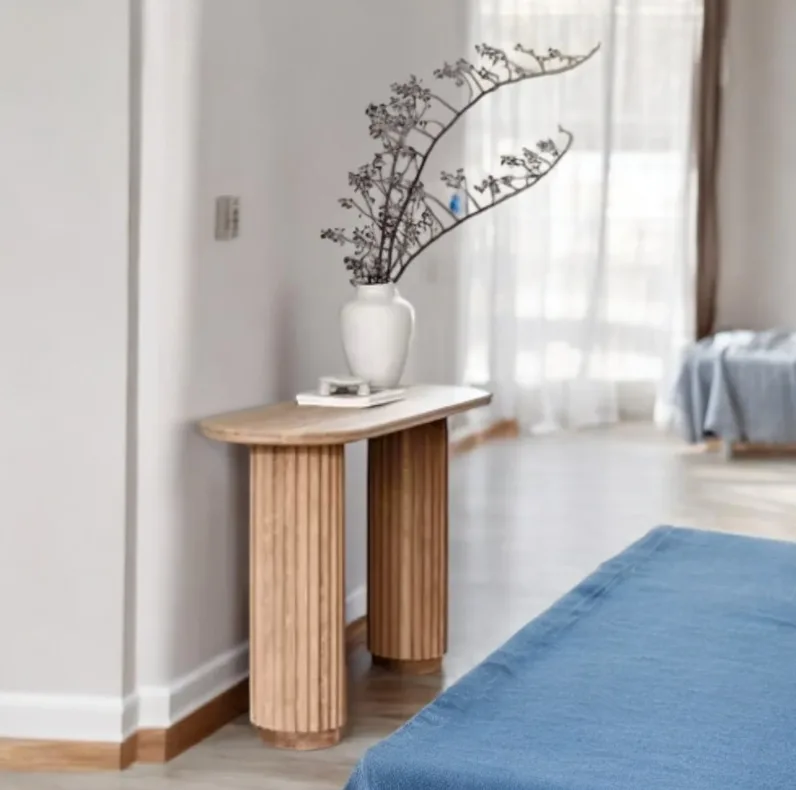
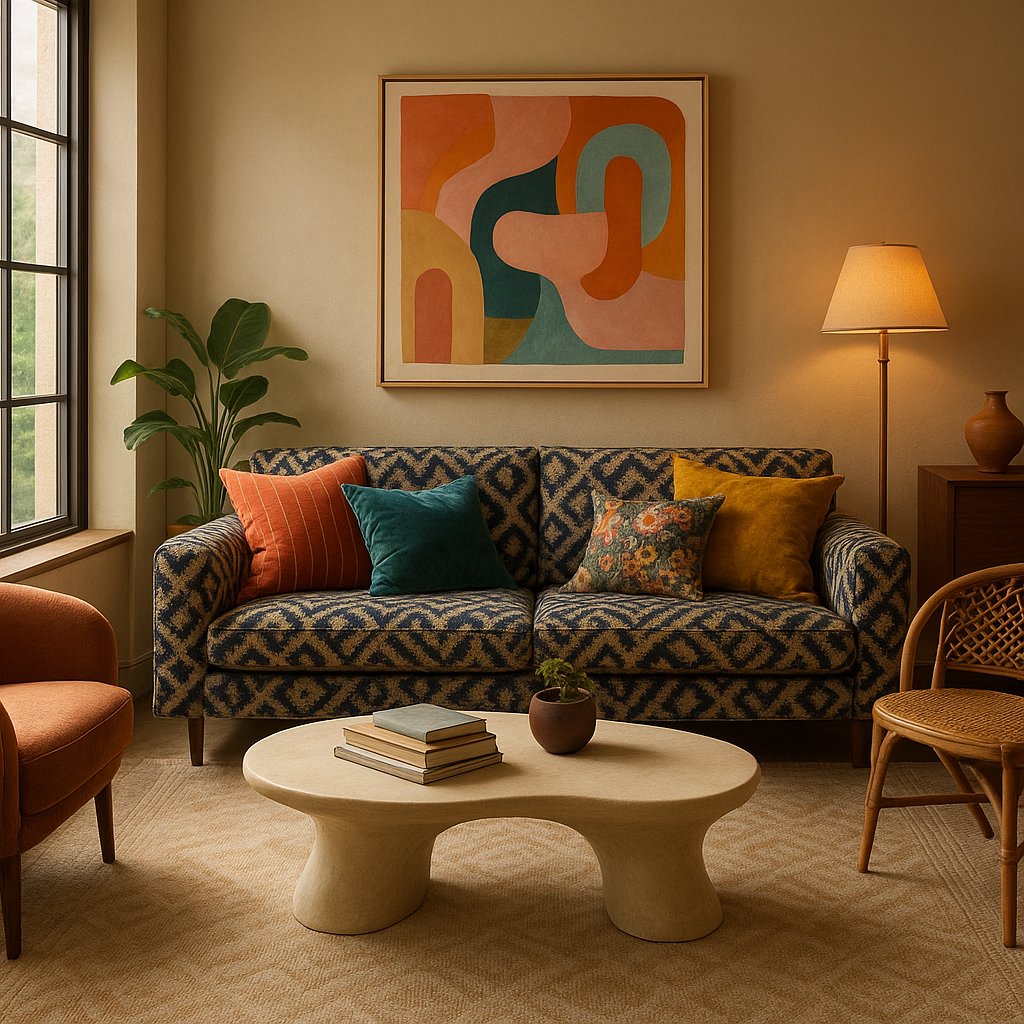
Setting the Scene: The Living Room as a Canvas of Self
Imagine stepping into a living room where every object tells a story — a vintage lamp sourced from a Mediterranean flea market, handwoven textiles from South America, and a wall gallery that chronicles decades of family memories. This scene is no longer confined to high-end magazines or celebrity homes. According to a 2026 report by the American Home Furnishing Alliance, 68% of homeowners now view their living space primarily as a medium for personal expression rather than mere functionality.
The rise of social media platforms like Pinterest and Instagram has accelerated this trend, creating a culture where home decor is intertwined with identity curation. The pressure to create spaces that resonate on a personal and aesthetic level has turned interior design into a deeply personal journey. As Dr. Marianne Clarke, a sociologist specializing in lifestyle trends, states,
"Home decor has evolved from being about style alone; it’s now a powerful form of self-narrative and emotional well-being."This shift marks a fundamental change in how spaces are conceived and inhabited.
The Roots: How Home Decor Evolved Into Personal Storytelling
The connection between living spaces and identity is not a new phenomenon. Historically, homes have always reflected cultural values and social status. However, the 20th century’s rise of mass-produced furniture and standardized housing prioritized uniformity and functionality. Post-war suburbanization, for example, favored efficiency and conformity over individual flair.
In the late 20th century, a counter-movement emerged. The DIY culture of the 1970s and 1980s began encouraging people to personalize their spaces. By the early 2000s, the internet democratized access to design knowledge and inspiration, enabling anyone to curate their environment. The pandemic lockdowns of 2020-2021 intensified this trend as millions spent unprecedented time at home, seeking comfort and control in their immediate surroundings.
Today, home decor intersects with identity politics, sustainability, and technology. The rise of eco-conscious design, for instance, is not solely about environmental impact but also an expression of personal ethics and values. Similarly, the integration of smart home technology reflects a desire for both convenience and modernity, signaling a homeowner’s alignment with innovation.
Data-Driven Insights: Trends Shaping Home Decor in 2026
Current industry data reveals compelling shifts. The National Association of Realtors (NAR) reported that 72% of homebuyers in 2025 prioritized homes with customizable spaces to reflect their personalities. Meanwhile, a study by Interior Design Analytics found that:
- 64% of millennials and Gen Z buyers prefer sustainable and ethically sourced materials.
- 58% integrate technology seamlessly into decor, from smart lighting to interactive art installations.
- 47% use vintage or secondhand furniture as a statement of uniqueness and environmental commitment.
This data underlines a growing preference for spaces that blend aesthetics, function, and personal values. Furthermore, color trends in 2026 emphasize warm, earthy tones—shades like terracotta, ochre, and muted greens—which psychologists associate with comfort and grounding. This aligns with a broader societal focus on mental health and sanctuary-like homes.
Interior designer Lena Morales notes, "Clients want their homes to feel like a refuge but also a reflection of who they are — not just a showroom."
Comparative analyses with previous years highlight that personalization now commands a greater budget share than ever. The American Home Furnishing Alliance indicated a 15% increase in spending on custom furniture and bespoke decor over the last three years.
Innovations and Current Developments in Home Decor for 2026
The integration of technology into home decor has reached new heights in 2026. Beyond functional smart devices, homes incorporate artificial intelligence to adapt environments dynamically. For example, lighting systems adjust color temperature based on circadian rhythms, while AI-powered art frames rotate displayed artworks according to mood and season.
Another innovation is modular and adaptive furniture designed for increasingly urban and compact living spaces. Companies like FlexiLiving have pioneered furniture that transforms from a sofa to a work desk to a guest bed within seconds, blending style with versatility.
Sustainability remains paramount. The use of mycelium-based materials and recycled composites is gaining traction, supported by brands such as EcoForma and GreenNest. This development reflects a broader consumer demand for transparency and environmental responsibility.
Meanwhile, biophilic design—integrating natural elements to enhance wellbeing—is more sophisticated than ever. Smart planters with self-watering and air quality monitoring features are common, marrying nature with technology. This trend ties closely to findings in environmental psychology, indicating that exposure to nature indoors reduces stress and boosts creativity.
For readers interested in practical guidance to harness these innovations, Mastering Home Decor: A Practical Guide for Beginners offers a comprehensive foundation on blending technology, sustainability, and style.
Expert Perspectives: Industry Voices on the Future of Home Decor
Leading interior designers and lifestyle experts agree that home decor in 2026 is at a crossroads where technology, sustainability, and personal narrative converge. Renowned designer Aisha Patel emphasizes,
"The most successful spaces are those that tell a story — your story — using every element from furniture to lighting to textures."
Patel advocates for an interdisciplinary approach where psychology, technology, and design principles intersect. She points to the rise in demand for personalized design consultations powered by AI, which can analyze client preferences and predict future trends.
Similarly, sustainability consultant Marco Lin highlights the importance of ethical sourcing, stating,
"Consumers are no longer willing to compromise on ethics or quality. The decor they choose must align with their values, which is reshaping supply chains and manufacturing practices."
These perspectives underscore a paradigm shift from decor as decoration to decor as a meaningful lifestyle choice. This is why platforms like 8 Essential Home Decor Trends Transforming Living Spaces Today are increasingly popular, distilling complex trends into actionable insights for consumers.
Looking Ahead: What to Watch in Home Decor’s Next Chapter
As we progress further into the decade, several key developments will define home decor’s trajectory. First, personalization will deepen, powered by AI and augmented reality tools that allow consumers to visualize and customize spaces in real time before purchase.
Second, the circular economy will reshape material use. Expect a surge in upcycling, refurbished furniture, and rental models for high-end decor pieces, reducing waste and appealing to eco-conscious consumers.
Third, wellness-centric design will expand beyond biophilia to include multisensory environments with soundscapes, aromatherapy integration, and adaptive lighting to enhance mental and physical health.
Finally, social and cultural inclusivity will influence decor choices. Designers are increasingly incorporating diverse cultural aesthetics and narratives, reflecting a globalized yet locally grounded approach to style.
- Embrace smart, adaptive technology that personalizes your space.
- Prioritize sustainable, ethically sourced materials.
- Incorporate natural elements to boost wellbeing.
- Use decor to tell your unique story and values.
- Stay informed on emerging trends via trusted resources.
For those starting or refining their decor journey, Unlocking Your Space’s Potential: A Definitive Guide to Starting with Home Decor offers invaluable strategies to create spaces that resonate deeply.
Case Studies: Real-World Transformations That Inspire
Consider the example of Sophia Reyes, a graphic designer in Austin, Texas, who transformed her 800-square-foot apartment into a multifunctional sanctuary. By integrating modular furniture and smart lighting controlled via AI, she enhanced both aesthetics and functionality. Sophia sourced vintage textiles and local artisan pottery to infuse personal and cultural significance.
Her approach demonstrates how affordability and individuality can coexist. Sophia reports a 40% reduction in energy use due to smart systems and credits the biophilic elements with improving her productivity and mood.
Another case is the renovation of the historic Greenfield House in Portland, Oregon. The owners prioritized sustainability, installing reclaimed wood flooring, solar-powered lighting, and eco-friendly insulation. They mixed contemporary minimalist decor with antiques collected over generations, creating a dialogue between past and present.
Homeowner James Greenfield remarked, "Our home tells the story of who we are and where we come from, while embracing the future responsibly."
These case studies exemplify the principles shaping modern home decor: personalization, sustainability, technology, and storytelling.
In conclusion, home decor today transcends aesthetics. It is a dynamic expression of identity, values, and aspirations. Whether through cutting-edge technology or heirloom pieces, your home becomes a living narrative, inviting reflection and connection. For deeper insights, explore our comprehensive guides on home decor at TheOmniBuzz.