
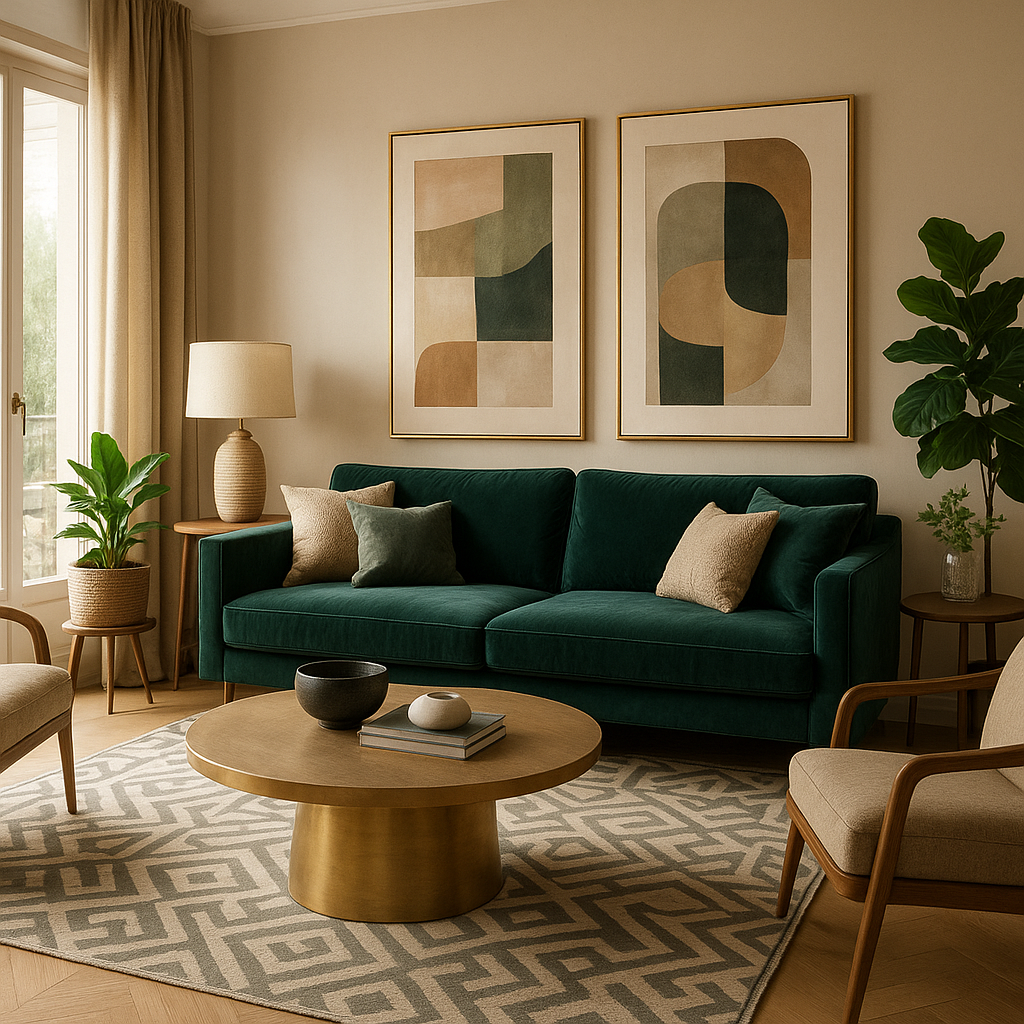
Setting the Scene: Why Home Decor Matters More Than Ever
Walking into a home in 2026 reveals more than just furniture and colors—it unveils a narrative about identity, sustainability, and innovation. Recent studies indicate that over 75% of homeowners now prioritize aesthetics alongside functionality when designing their spaces, a significant shift from a decade ago when utility reigned supreme. This evolution reflects deeper societal changes: remote working has solidified the home’s role as a multifaceted hub, and environmental concerns have elevated eco-conscious choices in decor. Imagine a sunlit living room where a handwoven sustainable rug anchors a sleek modular sofa, punctuated by lush indoor plants that purify the air. This scene epitomizes the convergence of style, health, and responsibility that defines today’s top home decor trends.
As lifestyles continue to evolve, so do expectations. The home is no longer just shelter but a sanctuary, an expression of values and creativity. This transformation compels designers, brands, and homeowners alike to rethink every element—from materials to lighting, colors to layout. The following sections unpack the top eight home decor trends shaping residences worldwide, grounded in the latest market data, expert insights, and cultural dynamics.
Tracing the Roots: How Home Decor Evolved to Today’s Priorities
Understanding the current surge in home decor trends requires a journey back through recent decades. Post-2010, minimalist design dominated, favoring clean lines and monochromatic palettes. However, the global pandemic in 2020 catalyzed a profound shift—people spent unprecedented time indoors, prompting a desire for comfort, personalization, and connection to nature. By 2023, hybrid work models entrenched home offices as vital spaces, demanding ergonomic yet stylish furnishings.
Simultaneously, environmental awareness grew exponentially. Reports from the United Nations and consumer research firms highlighted that nearly 60% of millennials and Gen Z buyers prefer sustainable products, influencing home decor choices. This shift birthed a new aesthetic marrying natural textures and recycled materials with cutting-edge smart technology.
“The last five years have seen home decor evolve from mere decoration to a holistic lifestyle statement, integrating wellness, sustainability, and technology,” notes Marie Chen, a leading interior design consultant based in New York.
Meanwhile, digital platforms like TheOmniBuzz have amplified access to global design ideas, accelerating trend adoption. The interplay between cultural heritage, innovation, and conscious consumption now defines how homes are styled, setting the stage for the eight trends detailed next.
The Core Eight: Home Decor Trends Dominating 2026
The following list synthesizes market analysis, expert commentary, and consumer behavior data to present the top eight home decor trends shaping 2026 interiors:
- Biophilic Design Integration: Incorporating natural elements such as live plants, water features, and organic materials to create a calming environment. According to recent research, 68% of homeowners prioritize biophilic elements for mental wellness.
- Multifunctional Furniture: With compact urban living rising, furniture that adapts—sofas that convert to beds, tables with storage—is essential. Industry data indicates a 40% increase in sales of modular furniture since 2024.
- Warm Earth Tones: Moving beyond stark whites, palettes now embrace terracotta, ochre, and moss green to evoke comfort and connection to nature.
- Smart Home Decor: Integration of IoT-enabled lights, blinds, and ambient systems that blend seamlessly with aesthetics, improving convenience and energy efficiency.
- Artisanal and Handcrafted Pieces: A resurgence of craftsmanship, favoring unique, locally sourced decor that tells a story, now preferred by 55% of luxury buyers.
- Textural Contrast: Juxtaposing soft fabrics with rougher surfaces like raw wood or stone to add depth and tactile interest.
- Vintage and Retro Fusion: Mixing mid-century modern elements with contemporary styles for nostalgic yet fresh looks.
- Sustainable Materials: Use of recycled metals, reclaimed wood, and low-impact dyes, driven by both regulation and consumer demand.
Each trend reflects broader cultural and technological forces, shaping how people inhabit and personalize their homes.
Spotlight on 2026: Fresh Developments Reshaping Decor Choices
The current year brings new dynamics that amplify these trends. Recent breakthroughs in sustainable materials technology have made eco-friendly decor more affordable and stylish. For example, companies like GreenWeave and TerraCraft have introduced biodegradable fabrics and composites that mimic luxury textures without environmental cost, gaining traction in high-end markets.
Simultaneously, smart home devices have evolved beyond function into integral design components. Integrated lighting systems now adapt color temperature based on circadian rhythms, improving sleep and productivity. This year saw a 25% growth in demand for such products, according to market analysis by HomeTech Insights. Designers emphasize hiding technology within classic forms, ensuring that innovation enhances rather than disrupts aesthetic harmony.
“2026 is the year technology becomes invisible in design, serving wellness and style without shouting for attention,” says interior technologist Javier Morales.
Another notable trend is the rise of cultural inclusivity in decor. Diverse ethnic motifs, patterns, and artisanal traditions are being embraced not as token accents but as core design elements, reflecting a globalized yet localized worldview. This shift is documented in increased searches for Afro-Scandinavian and Japandi styles, signaling a blend of minimalism with rich cultural textures.
Finally, urban dwellers continue to demand decor that maximizes space without sacrificing comfort. Innovations in foldable, stackable, and modular furniture cater to micro-apartments, a segment growing by 15% annually in major cities worldwide.
Expert Voices: Industry Leaders Reflect on Home Decor’s Evolution
Leading voices in interior design and home innovation provide crucial perspectives on these trends. Renowned designer Amina Qureshi highlights the importance of intentionality: “Decor today is about stories—where the materials come from, who crafted them, and how they support wellbeing. It’s no longer surface beauty but meaningful beauty.” Her work incorporates sustainable sourcing and community partnerships, embodying this ethos.
Meanwhile, tech innovators emphasize seamless integration. Lisa Park, CTO of a smart home startup, explains, “Our goal is to create environments that intuitively respond to inhabitants’ needs while enhancing style. It’s about removing friction from daily life.”
“The future of home decor is a conversation between tradition and innovation, nature and technology,” remarks Marie Chen.
This dialogue shapes product development, retail, and consumer education, influencing the trajectory of home styling globally.
Looking Ahead: What Homeowners and Designers Should Watch For
As 2026 progresses, several factors will likely influence home decor’s future. Sustainability will deepen, propelled by stricter regulations and consumer activism. Expect innovations in carbon-neutral flooring and zero-waste upholstery to enter mainstream markets.
Technological advances will further blur the line between decor and utility. Augmented reality (AR) will become a standard tool for homeowners visualizing changes before committing, while AI-powered design platforms will recommend personalized decor solutions based on lifestyle, budget, and preferences.
Social trends suggest a growing desire for spaces that support mental health, with decor choices emphasizing tranquility, natural light, and sensory comfort. This aligns with broader wellness industry growth, projected to reach $7 trillion globally by 2030, according to industry sources.
- Prioritize sustainable, multifunctional pieces that maximize space and minimize environmental impact.
- Incorporate biophilic elements to enhance wellbeing and air quality.
- Embrace technology that supports comfort and efficiency without compromising aesthetics.
For those looking to stay ahead, understanding these shifts will be crucial. Further insights on smart design strategies can be found in our in-depth coverage of How Smart Design Choices Are Revolutionizing Home Comfort and Style. Additionally, the mindset and habits behind successful adaptation to evolving trends are explored in 8 Proven Habits Harvard Graduates Use to Land Top Jobs Today, offering a unique perspective on adaptability relevant for home innovation as well.