
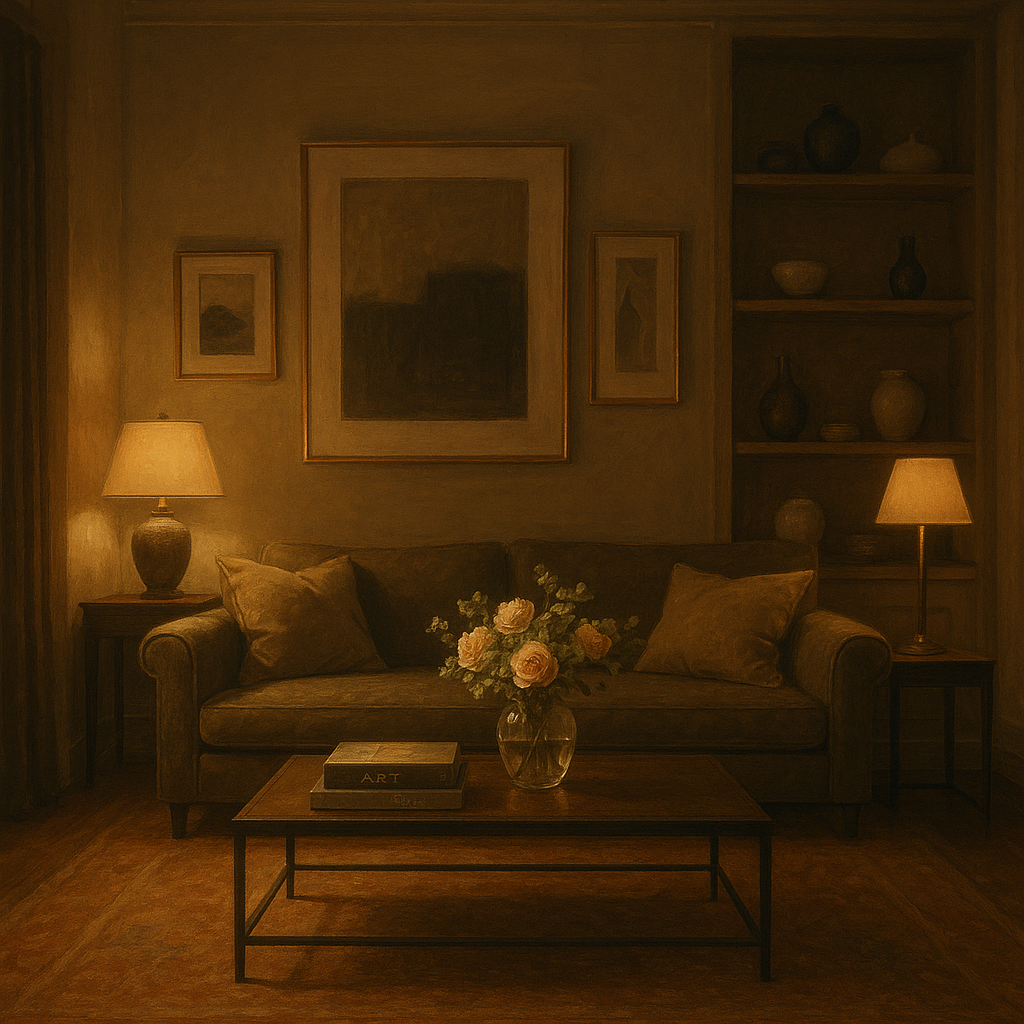
Setting the Scene: The Transformative Power of Thoughtful Home Decor
Imagine walking into a room that instantly feels like a personal sanctuary — the colors, textures, and layout harmonize to create a space that soothes and inspires. For many, the journey to that ideal setting begins with a daunting question: where do I start with home decor? Recent studies reveal that over 65% of first-time decorators feel overwhelmed by choices, often leading to decision paralysis or costly mistakes, according to a 2025 survey by the National Association of Interior Designers. This guide aims to demystify the process, providing a clear roadmap for beginners eager to personalize their homes with confidence and style.
Home decor is more than aesthetics; it shapes mood, functionality, and even wellbeing. As neuroscientist Dr. Elaine Matthews explains, "Our surroundings influence cognitive clarity and emotional health. A well-curated space can reduce stress and boost creativity." This insight underscores why investing time in thoughtful home decor pays dividends beyond mere appearance.
"A well-curated space can reduce stress and boost creativity." — Dr. Elaine Matthews, Neuroscientist
Tracing the Roots: How Modern Home Decor Evolved to Today’s Trends
Understanding contemporary home decor requires a brief look at its lineage. Historically, home interiors reflected social status and cultural values, with ornate Victorian styles dominating the 19th century. The mid-20th century introduced minimalism and functionalism, propelled by Bauhaus and Scandinavian influences that favored clean lines and practicality.
Fast forward to the 2020s, and home decor reflects a fusion of sustainability, technology, and personalization. The rise of remote work since the early 2020s accelerated interest in creating multifunctional spaces. According to Statista’s 2024 data, sales of home office furniture grew by 38% worldwide between 2020 and 2023, highlighting a shift toward adaptable interiors.
Moreover, the integration of smart home technology has revolutionized design choices. Lighting, climate control, and security systems are no longer afterthoughts but integral to the overall style and function. The sustainable decor movement also gained traction, with consumers increasingly prioritizing eco-friendly materials and ethical sourcing.
Decoding the Basics: Essential Elements for Beginners to Nail Home Decor
Home decor can appear complex, but it fundamentally hinges on a few core principles. By mastering these, beginners can avoid common pitfalls and create cohesive designs tailored to their lifestyle.
1. Define Your Style
Start by identifying what resonates with you. Are you drawn to rustic farmhouse charm, sleek modern minimalism, or eclectic bohemian vibes? Resources such as mood boards on Pinterest or style quizzes can help crystallize preferences. Exploring current trends can provide inspiration, but always prioritize personal comfort over fleeting fashions.
2. Establish a Color Palette
Colors set the emotional tone. A well-chosen palette balances harmony and contrast, often anchored by neutrals with accent hues. Psychology research shows blue promotes calmness, while yellow can energize a room. Beginners should consider the room’s purpose and lighting when selecting colors.
3. Prioritize Functionality
Beauty without utility is incomplete. Think about traffic flow, storage needs, and daily habits. Multifunctional furniture, such as ottomans with storage, maximizes space without clutter.
4. Layer Textures and Patterns
Texture adds depth and interest, preventing spaces from feeling flat. Combine smooth surfaces like glass with rougher ones like woven textiles. Patterns should complement rather than compete, maintaining visual balance.
5. Lighting Matters
Proper lighting enhances mood and highlights focal points. Layer ambient, task, and accent lighting to create dynamic environments. Natural light should be maximized, with window treatments selected accordingly.
"Lighting can transform a room from dull to dynamic, influencing how we experience space." — Interior Designer Marco Chen
Current Developments in 2026: What’s Shaping Home Decor Today
The home decor landscape in 2026 reflects broader societal shifts. Sustainability remains paramount, with innovations in biodegradable materials and circular design becoming mainstream. The 2026 Green Building Report indicates that 48% of new home interiors incorporate at least 30% recycled or renewable materials—a significant rise from 32% in 2023.
Technology integration has evolved beyond smart thermostats and voice assistants. Now, adaptive interiors equipped with AI-driven sensors adjust lighting, temperature, and even artwork based on occupant mood and activity, creating truly responsive environments. Companies like LumaLiving have pioneered such systems, blending AI seamlessly with decor.
Another notable trend is the resurgence of handcrafted and artisanal elements. After years dominated by mass-produced goods, consumers are seeking uniqueness and heritage, fueling demand for bespoke furniture and decor sourced from local craftspeople. This shift aligns with growing awareness around supporting ethical supply chains.
Additionally, the pandemic-era emphasis on wellness continues to influence decor choices. Elements that promote air quality, biophilic design (incorporating natural elements), and ergonomic comfort are non-negotiable for many homeowners.
Practical Steps: How Beginners Can Approach Decorating Their Home Now
With so many options and trends, beginners need a structured approach. Here’s a step-by-step plan to start decorating with clarity and purpose:
- Assess Your Space: Measure rooms, note architectural features, and identify problem areas or opportunities.
- Set a Budget: Determine how much you can invest upfront and over time. This helps prioritize purchases and prevent overspending.
- Create a Vision Board: Collect images, fabric swatches, and color samples that reflect your desired style.
- Plan Layouts: Use tools like Roomstyler or SketchUp to experiment with furniture arrangements digitally.
- Start with Key Pieces: Invest in foundational furniture like sofas, beds, and tables. Quality here matters most.
- Add Layers: Incorporate rugs, cushions, curtains, and art gradually.
- Focus on Lighting: Mix overhead, floor, and task lighting to enhance ambiance.
- Personalize: Display meaningful objects, photos, and plants to make the space your own.
Patience is essential. Home decor is an evolving process rather than a one-time project. As your tastes and needs change, so will your environment.
Industry Insights and Expert Opinions
Leading interior designers emphasize balance between trend awareness and personal expression. Sophia Ramirez, founder of Studio S, advises, "Beginners should avoid chasing every trend. Instead, focus on timeless elements and integrate trends sparingly to keep spaces fresh but enduring."
Market data supports this approach. The Global Home Furnishing Report 2025 notes that classic styles consistently outperform fast fashion decor in resale value and longevity.
Experts also highlight the importance of sustainability. "Eco-conscious choices are no longer niche but expected," says Marcus Lee, sustainability consultant for major design firms. "Consumers want transparency on materials and production methods, which influences their buying decisions heavily in 2026."
Furthermore, technology and decor are converging rapidly. Designers are embracing virtual reality to showcase concepts, allowing clients to experience spaces before committing financially. This innovation reduces buyer’s remorse and streamlines the design process.
For beginners, tapping into these expert insights can save money and create more satisfying results.
Case Studies: Real-World Transformations by Home Decor Beginners
Consider the example of Sarah and Jamal, a young couple who purchased their first home in 2025. Starting with a blank slate, they used a combination of online resources and professional advice to craft a cozy, functional space. They chose a neutral palette accented with warm woods and deep greens, incorporating biophilic elements to enhance wellness.
By prioritizing multifunctional furniture and layering textiles, they maximized comfort in a modest 750-square-foot apartment. Their experience underscores the value of planning and patience. They documented their journey on social media, inspiring others to see home decor as an accessible and rewarding endeavor.
Another illustrative case is Alex, a single professional who embraced smart technology in decorating a compact urban loft. Integrating AI-driven lighting and climate control allowed him to shift ambiances effortlessly, supporting both work and relaxation. His approach demonstrates how technology enriches decor possibilities in modern living.
These examples reflect broader trends detailed in TheOmniBuzz’s coverage of smart design choices and emphasize practical strategies for beginners.
Looking Ahead: What Beginners Should Watch in Home Decor
As we advance through 2026, several developments merit attention for those embarking on home decor projects. Sustainability will deepen its influence, with innovations like mycelium-based furniture and zero-waste production methods entering mainstream markets.
Technological integration will become more intuitive and affordable. Expect AI assistants that not only control smart devices but also offer design suggestions based on your preferences and living habits.
Customization will be key. Advances in 3D printing and modular components will empower homeowners to tailor furniture and decor precisely to their space and style.
For beginners, the takeaway is clear: embrace flexibility and continuous learning. Home decor is an evolving craft, enriched by emerging tools and philosophies. By grounding efforts in foundational principles and remaining open to innovation, anyone can create spaces that truly feel like home.
- Focus on eco-friendly materials and ethical sourcing whenever possible.
- Leverage technology to enhance comfort and personalization.
- Invest in timeless pieces and complement with trendy accents.
- Use digital tools to visualize and plan before purchasing.
- Allow your space to evolve naturally over time.
Adopting this mindset ensures not only a beautifully decorated home but one that supports wellbeing and reflects authentic identity.