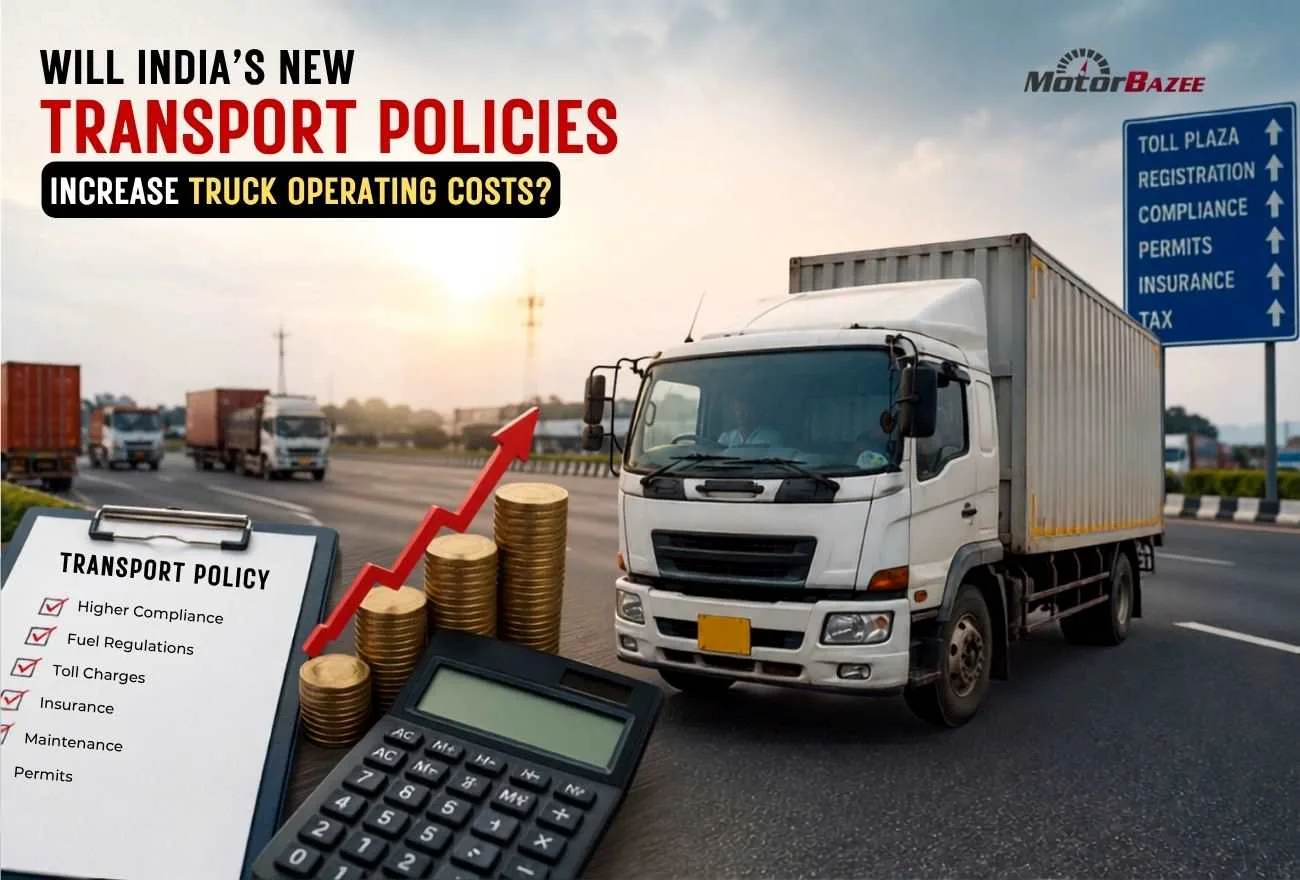
India's transport sector is undergoing rapid transformation with new government policies focused on improving road safety, reducing emissions, encouraging digital compliance, and making logistics more efficient. While these reforms are expected to benefit the industry in the long run, many fleet owners and truck operators are wondering one thing: Will India's new transport policies increase truck operating costs?
The answer is yes—but only in the short term. Over time, these policies can help reduce inefficiencies, improve vehicle performance, and create a more organized logistics ecosystem.
One of the biggest areas of additional expense is regulatory compliance. Truck owners may need to invest in newer vehicles, upgraded safety equipment, emission-control technologies, fitness certifications, and digital documentation. Regular maintenance may also become more important as stricter vehicle standards are introduced. These requirements can increase the initial operating and maintenance costs for transport businesses.
Fuel efficiency is another important factor. Policies encouraging cleaner and more efficient vehicles could require operators to upgrade older trucks or adopt alternative-fuel and electric vehicles. Although the upfront investment can be significant, newer vehicles generally offer better mileage, lower maintenance requirements, and improved reliability.
Digital compliance is also changing the way the trucking industry operates. FASTag, electronic documentation, GPS-based tracking, automated toll payments, and other digital systems can involve installation and technology costs. At the same time, these systems can reduce paperwork, minimize delays, improve route planning, and provide better visibility of vehicles and shipments.
Road-safety regulations may also increase costs through driver training, vehicle inspections, safety equipment, and stricter enforcement. Nevertheless, preventing accidents, breakdowns, penalties, and cargo losses can generate substantial savings over time.
Therefore, India's new transport policies should not be viewed only as an increase in expenses. They are also an opportunity for fleet operators to modernize their businesses. Better-maintained trucks, efficient routes, lower fuel consumption, improved driver performance, and reduced downtime can ultimately lower the overall cost per trip.
In conclusion, India's new transport policies may increase truck operating costs in the short term, but they have the potential to reduce inefficiencies and improve profitability in the long term. Fleet owners who invest strategically in technology, maintenance, safety, and fuel-efficient vehicles can adapt more successfully to the changing transport environment.
Frequently Asked Questions
1. Will new transport policies increase truck operating costs?
Yes. Compliance, maintenance, safety upgrades, and vehicle modernization may increase costs initially.
2. Why are truck operating costs expected to rise?
Higher compliance requirements, emission standards, inspections, technology investments, and safety measures can add expenses.
3. Will new policies affect fuel costs?
They may encourage the use of more fuel-efficient or alternative-fuel vehicles, potentially reducing fuel consumption over time.
4. Are older trucks likely to become more expensive to operate?
Yes. Older vehicles may require additional maintenance and upgrades to meet changing regulatory and emission requirements.
5. How can digital compliance affect fleet expenses?
Digital systems may require an initial technology investment but can reduce paperwork, delays, and administrative costs.
6. Can new policies improve fleet efficiency?
Yes. Better route planning, vehicle tracking, preventive maintenance, and digital systems can improve overall fleet efficiency.
7. Will road-safety rules increase expenses?
Initially, yes. Driver training, safety equipment, inspections, and maintenance can add costs.
8. Can transport companies reduce the impact of higher costs?
Companies can control costs through preventive maintenance, fuel-efficient vehicles, optimized routes, driver training, and fleet-management technology.
9. Are electric trucks a solution for reducing long-term operating costs?
Electric trucks may reduce fuel and maintenance expenses in suitable applications, although their purchase price and charging infrastructure can require significant investment.
10. What is the long-term impact of India's transport policies?
The long-term goal is a safer, cleaner, more efficient, and organized logistics sector, which can help reduce operational inefficiencies and improve productivity.
Visit Us: Will India's New Transport Policies Increase Truck Operating Costs?