Introduction: A Shift from Glamour to Ingredients
In the bustling beauty aisles of India, a new narrative is taking hold—one where the spotlight shifts from mere aesthetics to the core components that make a product effective. Rahul Shanker, Chief Marketing Officer at The Body Shop India, recently articulated this transformation as a movement towards "ingredient-led" marketing, signaling a fundamental change in how brands communicate with consumers. Gone are the days when beauty marketing relied predominantly on glamour and aspirational imagery. Today, Indian consumers demand transparency, efficacy, and ethical sourcing, all conveyed through the language of ingredients.
This pivot is not just a trend but a response to sweeping changes in consumer behavior, regulatory environments, and technological advances in product formulation. As Shanker explains, "Consumers want to understand what goes into their products and why it matters to their skin and the planet." His insights provide a lens to examine how brands like The Body Shop are reshaping their marketing strategies in 2026 to meet evolving expectations.
"Ingredient transparency is no longer optional; it’s central to building trust and loyalty in the Indian beauty market." – Rahul Shanker, CMO, The Body Shop India
Historical Context: How Indian Beauty Marketing Arrived at This Juncture
Historically, Indian beauty marketing centered largely on traditional ideals of beauty and the promise of transformation through celebrity endorsements and cultural narratives. The 1990s and early 2000s saw a wave of aspirational campaigns focusing on fairness creams and glamorous lifestyles, which dominated advertising. However, this approach increasingly faced backlash over unrealistic standards and opaque product claims.
The rise of digital platforms in the 2010s democratized information, enabling consumers to research products in detail before purchase. Moreover, global movements emphasizing sustainability and ethical sourcing gradually permeated Indian consumer consciousness. These shifts created fertile ground for ingredient transparency to emerge as a competitive differentiator.
In addition, regulatory bodies such as the Central Drugs Standard Control Organization (CDSCO) and the Bureau of Indian Standards (BIS) began enforcing stricter labeling norms, mandating detailed disclosure of ingredients and their concentrations. This regulatory evolution compelled brands to reconsider how they communicate product benefits and authenticity.
Key milestones shaping ingredient-led marketing in India:
- 2015: Introduction of mandatory ingredient labeling for cosmetics by CDSCO
- 2018: Surge in digital beauty communities and influencer-led ingredient education
- 2021: Increased consumer demand for cruelty-free and vegan formulations
- 2024: Rise of AI-powered skin diagnostics prompting personalized ingredient recommendations
These developments culminated in a marketplace where consumers are empowered and insistent on ingredient knowledge, forcing brands like The Body Shop to innovate their marketing approach.
Deep Dive: The Mechanics of Ingredient-Led Beauty Marketing
Ingredient-led marketing is not simply about listing components; it involves educating consumers on the benefits, sourcing, and science behind each ingredient, often supported by clinical data and sustainable practices. Rahul Shanker highlights that this approach requires collaboration between R&D, marketing, and supply chain teams to craft authentic narratives.
Several factors define the mechanics of this marketing shift:
- Scientific Storytelling: Brands increasingly use simplified scientific explanations and interactive content to explain how key ingredients work at the cellular level, appealing to a more informed consumer base.
- Transparency and Traceability: Detailed origin stories of ingredients, including ethical sourcing and fair trade certifications, are emphasized to build trust.
- Personalization: AI and data analytics enable brands to recommend products based on individual skin profiles, linking ingredient efficacy directly to user needs.
- Sustainability Messaging: Ingredients are framed not only for their efficacy but also for their environmental and social impact, aligning with consumer values.
According to market research firm Kantar, ingredient-led claims in Indian cosmetic advertising increased by over 45% from 2023 to 2026, underscoring the broad industry adoption of this strategy.
"Our campaigns now focus on educating consumers, not just enticing them. Ingredient stories resonate deeper and foster long-term loyalty." – Rahul Shanker
This paradigm shift also challenges marketers to balance technical information with engaging storytelling, avoiding jargon that alienates casual consumers while satisfying ingredient-savvy audiences.
Current Trends and Innovations in 2026
The year 2026 marks a significant acceleration in ingredient-led strategies as digital tools and consumer activism converge. The Body Shop India, under Shanker's leadership, has spearheaded the integration of immersive digital experiences to showcase ingredient origins and benefits. Augmented reality (AR) applications now allow customers to visualize ingredient sourcing locations and manufacturing processes in real time.
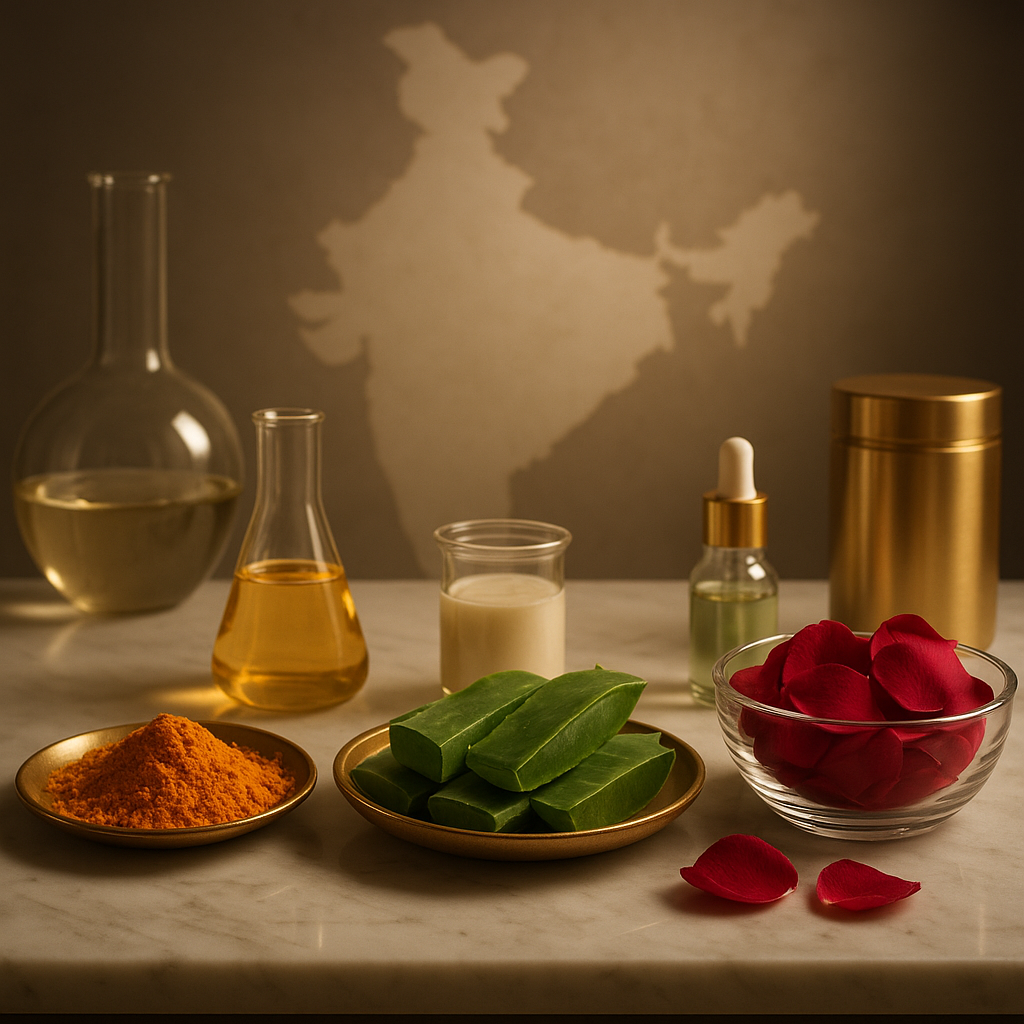
Moreover, the rise of clean beauty—a sector emphasizing non-toxic, natural, and biodegradable ingredients—has gained substantial traction. The Body Shop’s recent launch of a “Clean & Conscious” line, featuring ingredients like moringa seed oil, Indian gooseberry, and turmeric, reflects this trend and caters specifically to Indian skin types and preferences.
Consumer data reveals that 65% of Indian beauty buyers now prioritize ingredient transparency over price, up from 42% in 2022 (Nielsen India). This shift has prompted legacy and emerging brands alike to reformulate products with simpler, recognizable ingredient lists.
Notable 2026 innovations include:
- AI-driven ingredient verification tools accessible via mobile apps
- Blockchain-enabled supply chain transparency for ethical sourcing
- User-generated content campaigns focused on personal ingredient stories
- Collaborations with dermatologists and scientists for credible ingredient endorsements
These innovations leverage technology to enhance consumer trust and engagement, aligning with the broader digital marketing trends outlined in TheOmniBuzz’s recent coverage on Why Ingredient-Led Beauty Marketing Is Transforming India’s Cosmetic Industry.
Industry Impact and Expert Perspectives
Rahul Shanker’s ingredient-led marketing philosophy is influencing peers and competitors, catalyzing a cultural change within India’s beauty sector. Industry analysts note that brands focusing on ingredient transparency are outperforming those relying solely on traditional marketing by significant margins.
Dr. Meera Singh, a cosmetic chemist and consultant, remarks, "The Indian market is maturing rapidly. Consumers want to know not just what a product does but how and why it works. Ingredient-led marketing meets this demand and encourages innovation in product formulation." According to industry data, ingredient-focused brands have seen a 30-40% higher customer retention rate in the last three years.
The shift also compels supply chains to evolve, with increased demand for traceable, sustainably harvested raw materials. This creates opportunities for rural communities engaged in ethical farming practices, tying into corporate social responsibility (CSR) initiatives.
Shanker’s emphasis on ingredient stories resonates beyond marketing, impacting corporate governance and sustainability strategies. The Body Shop India has publicly committed to expanding its Fair Trade ingredient sourcing by 2028, which aligns with growing consumer expectations for social accountability.
"Ingredient-led marketing is a strategic lever, driving not just sales but meaningful change in how beauty brands operate in India." – Rahul Shanker
Future Outlook: What Marketers Should Watch
The trajectory of ingredient-led marketing in India points toward deeper integration of technology, personalization, and sustainability. Marketers should anticipate several emerging dynamics:
- Hyper-Personalization: Leveraging AI and genomics to tailor ingredient profiles uniquely suited to individual genetic and environmental factors.
- Enhanced Regulatory Scrutiny: Stricter global and domestic standards for ingredient claims and certifications will necessitate rigorous compliance and transparency.
- Consumer Education as a Marketing Imperative: Brands must invest in ongoing education initiatives to maintain trust and differentiate themselves in a crowded market.
- Cross-Industry Collaborations: Partnerships between beauty brands, tech firms, and academic institutions will drive innovation in ingredient research and marketing.
For marketers, embracing these trends involves more than shifting messaging—it demands a holistic approach integrating product development, digital engagement, and ethical sourcing.
By studying The Body Shop India’s evolving strategy, marketers gain a blueprint for success in an increasingly ingredient-conscious landscape. The lessons extend beyond cosmetics, offering insights applicable across the consumer goods sector.
For further context on the digital marketing aspects of this shift, readers can explore TheOmniBuzz’s analysis on Why Beauty Marketing in India Is Turning Ingredient-First, According to Rahul Shanker.
Case Study: The Body Shop India’s Ingredient-First Campaign Success
In 2025, The Body Shop India launched the "Rooted in Nature" campaign, spotlighting the ingredient sourcing stories behind flagship products. This campaign utilized multi-channel digital storytelling, including interactive videos, influencer testimonials, and AR experiences, to connect consumers with the origins and benefits of ingredients like shea butter and green tea.
The campaign’s impact was measurable:
- 35% increase in online sales of featured products within six months
- 50% growth in social media engagement related to ingredient content
- 40% rise in new customer acquisition attributed to ingredient education initiatives
- Enhanced brand sentiment scores, with positive mentions doubling on platforms such as Instagram and Twitter
Feedback from customers highlighted appreciation for the transparency and the educational value, which translated into stronger brand loyalty and repeat purchases.
Rahul Shanker notes, "This initiative proved that ingredient-led marketing is not just a communication strategy but a powerful business driver. It connects consumers emotionally and intellectually, fostering deeper brand relationships." This case exemplifies how ingredient transparency can be operationalized effectively and profitably.
Conclusion: The Ingredient-Led Future of Indian Beauty Marketing
Rahul Shanker’s vision for The Body Shop India encapsulates a broader shift in beauty marketing—from superficial allure to substantive ingredient narratives. This transformation responds to an empowered, informed consumer base demanding honesty, efficacy, and ethical responsibility.
As Indian consumers increasingly scrutinize what they put on their skin, brands that embrace ingredient-led marketing will likely dominate market share and consumer trust. The interplay of science, storytelling, and sustainability will shape marketing strategies well beyond 2026, heralding a new era of beauty that prioritizes authenticity and transparency.
For marketers and industry watchers alike, the imperative is clear: ingredient-led marketing is not a fleeting trend but a foundational shift redefining beauty commerce in India.