
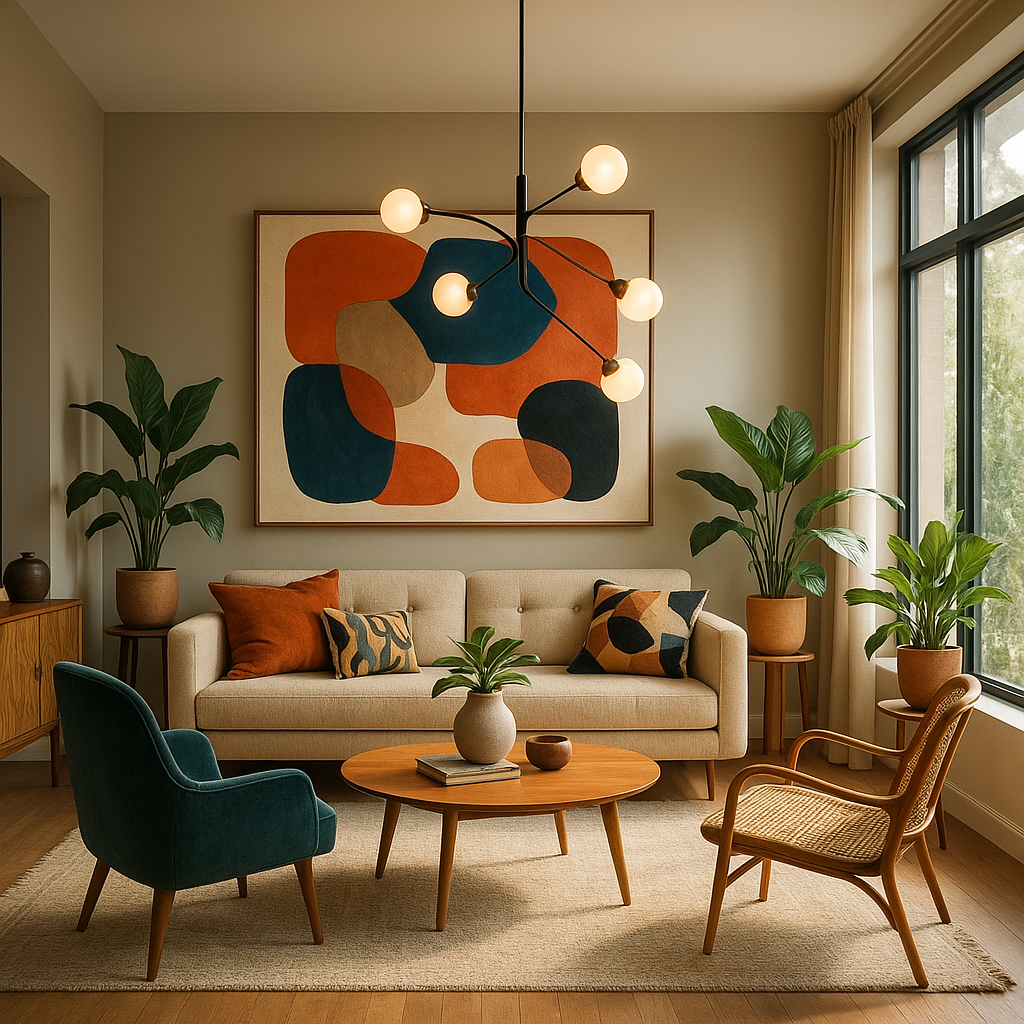
Setting the Scene: A Living Room Transformed by Purpose
Imagine stepping into a living room bathed in natural light, where reclaimed wood shelves display handcrafted ceramics from local artisans, and a modular sofa adapts effortlessly to host friends or serve as a quiet reading nook. This scene, increasingly common in homes worldwide, epitomizes how home decor has evolved far beyond mere aesthetics. Today, it is a deliberate act of self-expression, sustainability, and technological integration. The 2026 home reflects a complex interplay of personal values, cultural influences, and cutting-edge innovation, reshaping what it means to create a living space.
The intimate connection between space and identity is more pronounced than ever. According to recent surveys from the American Home Furnishings Alliance, over 68% of homeowners now consider their decor choices as direct reflections of their personality and ethos. This shift has prompted designers and manufacturers to rethink traditional models, blending craftsmanship with smart technology and ecological mindfulness. The home is no longer just a backdrop but an active participant in daily life.
“Home decor today is an evolving dialogue between who we are, where we come from, and where we want to go,” says renowned interior designer Mara Lin, whose projects emphasize sustainable materials and adaptive layouts.
Tracing the Roots: How We Arrived at the Modern Home Decor Landscape
Understanding the current home decor dynamics requires revisiting the past two decades of cultural and technological shifts. The early 2020s witnessed a surge in minimalist and Scandinavian aesthetics, emphasizing clean lines and functional simplicity. However, as the decade progressed, the COVID-19 pandemic dramatically altered human relationships with space, catalyzing a demand for comfort, personalization, and multifunctionality.
By 2024, the rise of remote work and hybrid lifestyles compelled homeowners to transform their environments into versatile hubs. This transition accelerated the integration of technology into decor, such as smart lighting systems that adjust to circadian rhythms and modular furniture designed for dynamic use. Concurrently, environmental concerns intensified, encouraging the adoption of sustainable materials like bamboo composites, recycled metals, and bio-based plastics.
Global trade disruptions and supply chain challenges in 2023 also pushed the industry towards localized production and artisanal craftsmanship. According to data from the International Furniture and Home Accessories Manufacturers Association, there was a 35% increase in demand for handcrafted and regionally sourced decor items between 2023 and 2025.
These factors collectively laid the groundwork for today's home environments, where authenticity, functionality, and conscience coexist.
Decoding the Trends: What Defines Home Decor in 2026?
The home decor scene in 2026 is distinguished by several defining characteristics that respond to both consumer desires and global imperatives. A recent report by the Design Futures Council highlights five dominant trends shaping interiors worldwide:
- Biophilic Design Integration: Incorporating natural elements like living walls, indoor gardens, and natural light has become standard practice, promoting wellbeing and environmental connection.
- Tech-Embedded Furnishings: From voice-activated window treatments to furniture with embedded wireless charging pads, technology seamlessly blends with decor.
- Modular and Adaptive Spaces: Furniture and layouts designed for flexibility address the needs of multifunctional living and working.
- Artisanal and Ethical Sourcing: Consumers increasingly prefer pieces that tell a story, supporting fair trade and sustainable practices.
- Personalized Aesthetics: AI-driven design platforms offer tailored suggestions, enabling homeowners to curate spaces that genuinely reflect their identities.
Moreover, the demand for circular economy principles has influenced product lifecycles, emphasizing durability, reparability, and recyclability. IKEA’s 2026 sustainability report reveals that 60% of their new product lines use recycled or renewable materials, setting a benchmark for the industry.
“The home is now a living organism, adapting to its inhabitants and the planet’s needs,” explains Dr. Leila Hassan, environmental psychologist and consultant for sustainable design.
Expert Perspectives: Industry Leaders on Home Decor’s Transformational Role
Leading voices from the home decor sector shed light on how the industry balances creativity, technology, and responsibility. Benjamin Cho, CEO of the innovative startup NestCraft, highlights how AI and machine learning have revolutionized design processes:
“We use AI to analyze lifestyle data, preferences, and space constraints to generate decor proposals that optimize both form and function. This approach democratizes design, allowing more people to create uniquely personal environments without compromising sustainability.”
Meanwhile, veteran designer Eva Morales emphasizes the human element in this tech-forward era:
“Despite the rise of automation, craftsmanship remains vital. Our work now focuses on blending handmade elements with smart features, ensuring warmth and character are never lost.”
These expert insights reflect the dual challenge the industry faces: embracing innovation while preserving the emotional resonance that defines a home. TheOmniBuzz’s exploration of home decor as personal identity further elaborates on this tension.
Case Studies: Real-World Innovations in Contemporary Home Decor
Several pioneering projects exemplify how these trends manifest in actual homes. The UrbanNest project in Copenhagen, completed in early 2026, features apartments with walls embedded with moss panels that filter indoor air and regulate humidity. Residents report a 40% decrease in allergy symptoms, according to a study published by the European Institute of Environmental Health.
In New York City, a renovated brownstone utilizes modular furniture from startup FormFlex that can be reconfigured via a smartphone app, adapting spaces from home offices to entertainment zones within minutes. This flexibility has been crucial for families balancing remote work and social life.
Additionally, the GreenCraft initiative in Bali partners with local artisans to produce decor items from recycled ocean plastics, combining sustainability with cultural storytelling. Sales have surged 50% year-over-year, reflecting growing consumer appetite for ethically sourced products.
- UrbanNest Copenhagen: Biophilic integration and health benefits
- FormFlex NYC: Modular adaptability for multifunctional living
- GreenCraft Bali: Artisan sustainability and cultural heritage
These examples illustrate the multifaceted nature of modern home decor, where innovation, health, culture, and environment intersect.
Looking Ahead: The Future of Home Decor Beyond 2026
As we move through the latter half of this decade, several trajectories emerge. The adoption of augmented reality (AR) for immersive design experiences is expected to become mainstream. Companies like DecoVision are already piloting AR apps that let users visualize furniture and decor changes in real time, reducing decision fatigue and waste.
Furthermore, the integration of smart materials—self-cleaning fabrics, air-purifying paints, and dynamic lighting—promises to enhance comfort and sustainability. Industry experts predict a 25% growth in smart material applications in residential settings by 2030.
Socially, the trend towards personalization will deepen, with AI tools providing increasingly nuanced suggestions based on psychological profiles, cultural backgrounds, and lifestyle patterns. However, this raises ethical questions about data privacy and design homogenization that stakeholders must address.
Finally, the circular economy will likely dominate product development, with emphasis on upcycling, leasing models, and zero-waste manufacturing. Consumers are expected to become active participants in the lifecycle of their decor items, fostering stronger connections to their living spaces.
“The future of home decor lies in harmonizing technology, sustainability, and human emotion to create spaces that evolve with us,” predicts Mara Lin.
For those beginning their home decor journey, TheOmniBuzz’s practical guide for beginners offers valuable insights into crafting spaces that balance these complex demands.