Reimagining Education: A Classroom Scene from 2026
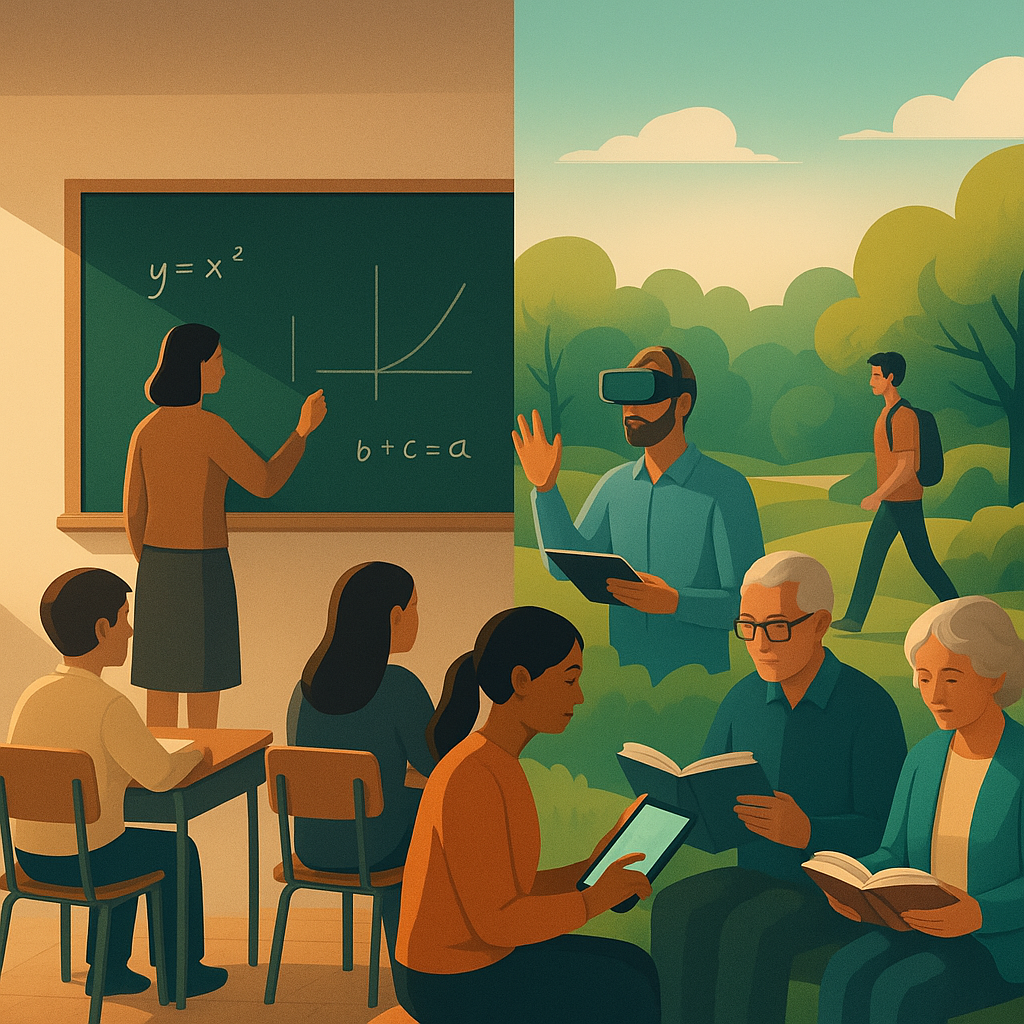
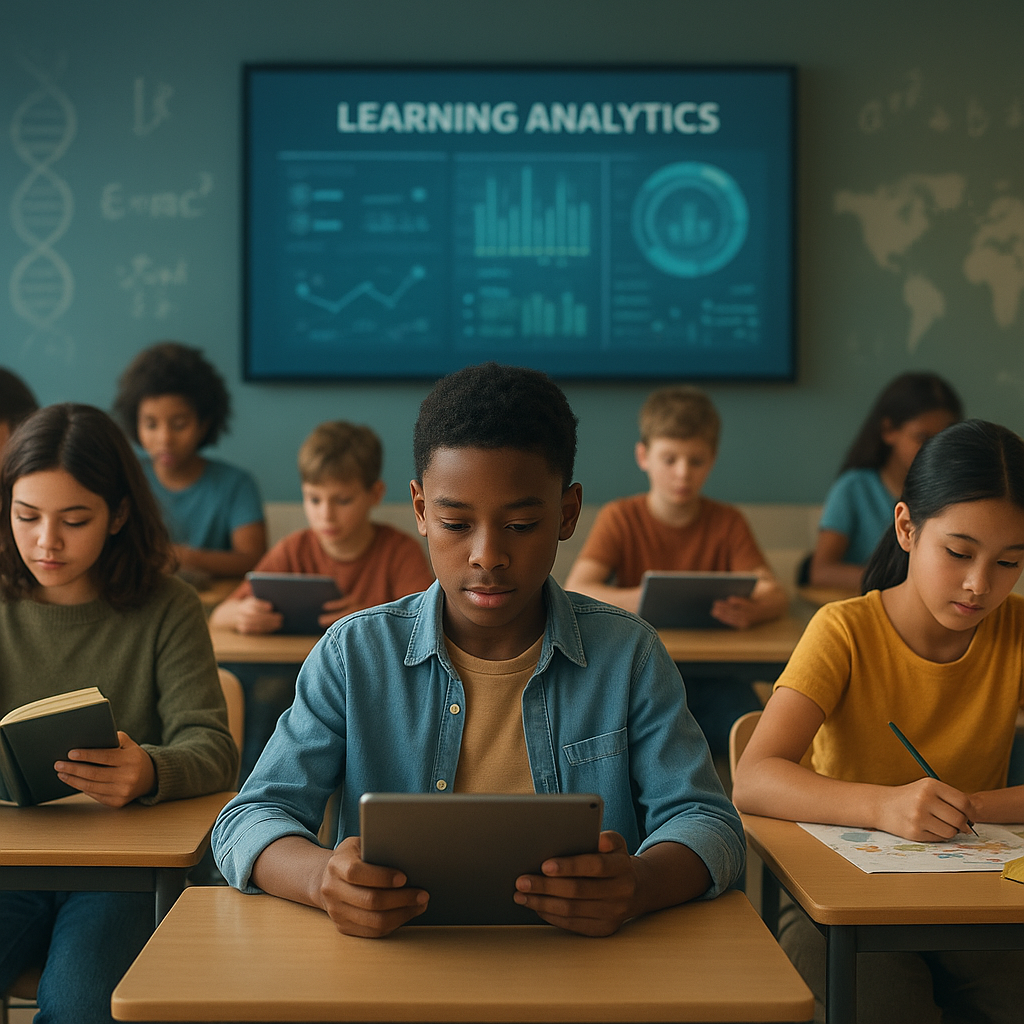
In a bustling school in Helsinki, Finland, a classroom hums with quiet focus. Students, each equipped with AI-powered learning assistants, engage in projects tailored not only to their academic levels but also shaped by their interests and emotional states. One student explores environmental science through immersive virtual reality ecosystems, while another collaborates remotely with peers across continents on a cultural history project. This scene is emblematic of a profound shift in education witnessed across the globe in 2026, where personalization and lifelong learning have become the pillars of modern pedagogy.
Such transformations are not isolated; they reflect a global recalibration of how societies view education’s role in an increasingly complex, technology-driven world. According to UNESCO reports, nearly 70% of countries have integrated adaptive learning technologies into their national curricula by mid-2026, emphasizing personalized learning pathways tailored to individual student profiles. This shift challenges the one-size-fits-all model that dominated the 20th century, ushering in an era where education is no longer confined to age or static content but evolves continuously throughout life.
“The future of education lies not in standardization but in customization, empowering every learner to chart their unique journey.” – Dr. Elena Morozova, Education Futurist
From Industrial Age to Individualized Learning: How We Got Here
The roots of today’s educational transformation trace back to the early 21st century, when digital technology began disrupting traditional classrooms. Initially, online courses and MOOCs (Massive Open Online Courses) expanded access but often failed to engage diverse learners effectively. By the 2020s, educators and technologists recognized that access alone was insufficient; engagement required adapting content dynamically to student needs.
Parallel to technological advances, labor market demands shifted dramatically. Automation displaced routine jobs, while creativity, critical thinking, and adaptability surged in value. This labor evolution pressured education systems worldwide to produce learners capable of continuous skill acquisition and innovation. Policymakers responded with frameworks emphasizing competencies over rote knowledge, such as the OECD’s 2030 Learning Compass introduced in the mid-2020s.
Furthermore, neuroscience and cognitive science research deepened understanding of how individuals learn differently. These insights catalyzed the adoption of adaptive learning platforms that personalize pacing, difficulty, and modality. The pandemic of the early 2020s accelerated these trends by forcing rapid digital adoption and exposing inequities, prompting investments in infrastructure and pedagogy.
Data-Driven Insights: The Metrics Behind Personalized Education’s Rise
Several key data points illustrate how personalized, lifelong learning has reshaped education by 2026:
- Student Engagement: Studies by the International Learning Innovation Consortium show a 35% increase in engagement scores among students using AI-adaptive platforms compared to traditional classrooms.
- Skill Mastery: Customized learning trajectories have reduced the average time to mastery in STEM subjects by 25%, according to the Global Education Metrics Report 2026.
- Equity Improvements: Targeted support for marginalized groups via personalized interventions has narrowed achievement gaps by approximately 15% in OECD countries.
- Lifelong Learning Participation: Adult learners enrolled in continuous education programs have grown by 40%, propelled by employer partnerships and micro-credentialing.
These figures underscore a paradigm shift not only in how knowledge is delivered but also in how learning outcomes are measured and valued. The traditional focus on standardized testing is giving way to more nuanced assessments capturing creativity, collaboration, and applied skills.
“Education systems must evolve metrics to reflect the complexity of human learning, beyond memorization to meaningful application.” – Prof. James Okafor, Educational Assessment Specialist
Current Developments in 2026: Technological and Policy Innovations
As of 2026, innovative technologies are central to education’s transformation. AI-driven tutors offer personalized feedback in real time, while augmented and virtual reality provide immersive learning environments previously unattainable in classrooms. Blockchain technology has enabled secure, verifiable digital credentials, facilitating seamless transitions between institutions and employers.
Governments worldwide have enacted policies fostering flexible education pathways. For example, the European Union’s Lifelong Learning Directive, updated in 2025, mandates member states to integrate modular learning credits that accumulate toward recognized qualifications at any life stage. Similarly, the United States has increased funding for community colleges and online platforms that emphasize skill-based certifications aligned with labor market needs.
Private sector engagement has intensified, with tech giants collaborating with universities to co-develop curricula that reflect emerging industries such as quantum computing and green energy. Notably, Singapore’s SkillsFuture initiative now includes AI mentorship programs and personalized career guidance powered by predictive analytics.
These developments reflect a broader trend described in our related piece, Education in 2026: Transformations, Challenges, and the Road Ahead, highlighting the interplay between technology, policy, and pedagogy reshaping learning ecosystems.
Expert Perspectives: Industry Impact and Educational Equity
Experts emphasize that while technology has unlocked new possibilities, it also raises critical challenges. Dr. Amina Khalid, a leading educational equity advocate, warns that “technology adoption must be paired with robust support systems to avoid exacerbating existing inequalities.” Indeed, disparities in internet access and digital literacy remain pressing issues in underserved communities.
Industry leaders concur that education must directly address workforce needs without sacrificing broader developmental goals. The World Economic Forum’s 2026 Future of Jobs Report stresses the importance of “hybrid skills” blending technical expertise with emotional intelligence and ethical reasoning. Corporations increasingly invest in employee upskilling programs, collaborating with educational institutions to design relevant curricula.
Meanwhile, university leaders are rethinking institutional roles, as explored in Rethinking University: How Institutions Are Transforming Education and Opportunity. They advocate for flexible delivery models, interdisciplinary studies, and stronger ties to communities and industries.
Looking Ahead: What to Watch in Education’s Next Decade
As education continues evolving, several trends warrant close attention:
- Expansion of AI Ethics Education: Curriculum frameworks will increasingly embed AI literacy and ethics, preparing learners to navigate technologies responsibly.
- Rise of Micro-Credentials: Modular certifications will become mainstream, enabling learners to assemble personalized qualifications recognized globally.
- Integration of Neuroeducation: Advances in brain science will further personalize learning strategies, optimizing retention and engagement.
- Global Learning Networks: Cross-border collaborations will proliferate, allowing learners to engage in multicultural, multidisciplinary projects at scale.
- Policy for Lifelong Learning Support: Governments will expand social safety nets to support continuous education, recognizing it as essential for economic resilience.
These trajectories suggest education will become more fluid, learner-centered, and interconnected. Stakeholders must balance innovation with equity to ensure no learner is left behind.
In conclusion, the shift toward personalized and lifelong learning represents a fundamental redefinition of education’s purpose and practice. Its success depends on integrating technology, policy, and pedagogy in ways that empower every individual to thrive in a complex future.
For deeper insights into digital learning trends, see How Online Learning Is Shaping Education’s Next Frontier and Rethinking Learning: How 2026 Is Transforming Online Education Forever.