
Revolution at the Screen: A Snapshot of Online Learning in 2026
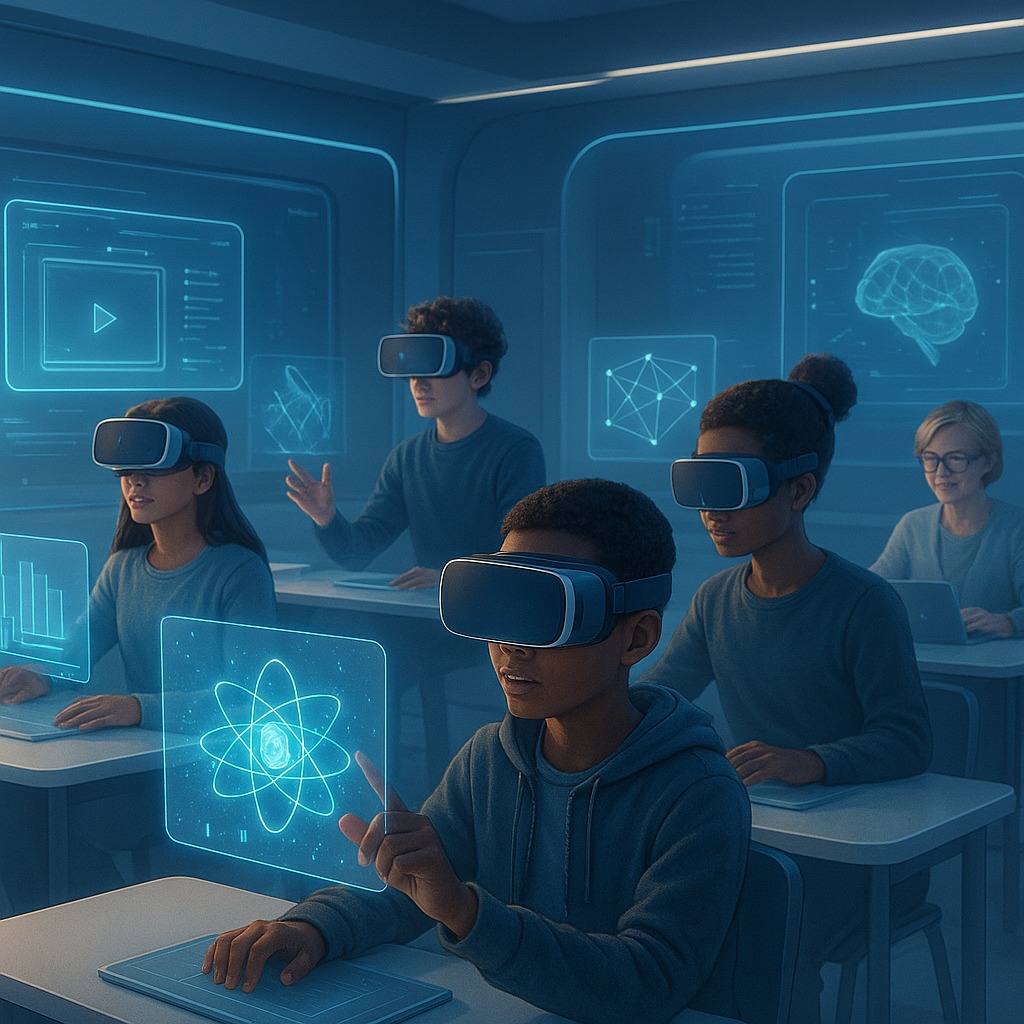
In April 2026, a bustling virtual classroom convenes with students spread across five continents, collaborating seamlessly through vivid immersive holograms. This scene, once the stuff of sci-fi, is now routine. The global e-learning market has surged past $500 billion, propelled by innovations that dissolve geographic and socioeconomic barriers. According to industry estimates, over 75% of higher education institutions worldwide integrate advanced digital platforms into their core curricula. As traditional classrooms evolve, online learning is not merely an alternative but a dominant force shaping education’s future.
By examining the mechanisms driving these unprecedented changes, this article unpacks the key trends defining online learning in 2026. It explores the technological breakthroughs, pedagogical shifts, and socio-economic factors now shaping education on a global scale, drawing on expert analysis and recent data.
From Early E-Learning to the Adaptive Ecosystem of Today
The journey to 2026’s online learning landscape traces back over two decades of digital experimentation. Early 21st century platforms primarily offered static video lectures and minimal interactivity. The COVID-19 pandemic accelerated adoption, forcing institutions to rapidly digitize content in 2020–2022, often with mixed outcomes. However, these challenges seeded innovation in content delivery, learner engagement, and assessment methodologies.
By the mid-2020s, artificial intelligence (AI) and machine learning matured enough to personalize education at scale. Platforms evolved from one-size-fits-all models to adaptive learning ecosystems that dynamically adjust to each student’s pace, style, and interests. This shift has been pivotal in tackling the long-standing issue of learner retention and efficacy.
Moreover, the integration of augmented reality (AR) and virtual reality (VR) technologies since 2024 has redefined experiential learning, especially in fields requiring practical training such as medicine, engineering, and fine arts. These immersive tools enable students to practice skills in lifelike environments without physical constraints.
Legislation and policy frameworks have also adapted, with governments worldwide recognizing online education’s legitimacy and investing in digital infrastructure. This evolution has expanded access, especially in rural and underserved regions, where traditional educational resources remain scarce.
2026 Core Trends Reshaping Online Learning
Several defining trends characterize the current state of online education. These are not isolated phenomena but interwoven innovations that collectively enhance learner experience and educational outcomes.
- AI-Driven Personalized Learning: AI algorithms analyze vast datasets from learner interactions to tailor content, pacing, and assessments. Platforms like Coursera and edX have integrated deep learning models that recommend customized study plans and proactively identify knowledge gaps.
- Immersive Technologies: VR and AR have moved beyond novelty. Medical students perform virtual surgeries with haptic feedback, while language learners engage in culturally authentic virtual environments. Gartner reports a 60% increase in VR-enabled courses since 2024.
- Microcredentials and Modular Learning: The rise of stackable credentials, verified through blockchain technology, is transforming how skills are certified and recognized by employers. This modular approach supports lifelong learning and career shifts, responding to volatile job markets.
- Hybrid Social Learning Communities: Platforms now incorporate social networking features, allowing peer-to-peer mentoring, collaborative projects, and real-time feedback, fostering engagement and reducing feelings of isolation common in remote learning.
- AI-Assisted Teaching and Content Creation: Educators use AI tools to generate personalized lesson plans, automate grading, and detect plagiarism, freeing time to focus on student interaction and mentorship.
“The convergence of adaptive AI and immersive tech is not just improving access but fundamentally enhancing how knowledge is constructed and applied,” notes Dr. Elaine Ramirez, Director of Digital Pedagogy at GlobalEd Institute.
Spotlight on 2026 Developments: What’s New This Year?
While many trends have been emerging gradually, 2026 has accelerated several breakthroughs reshaping online learning dynamics.
First, the widespread adoption of 5G and satellite internet by companies like Starlink has significantly reduced latency and expanded access in remote areas. This connectivity boost enables real-time, high-fidelity interactions previously impossible in rural or underserved regions.
Second, the integration of biometric feedback within learning platforms has gained prominence. Sensors track eye movement, heart rate variability, and brainwave patterns to gauge student engagement and cognitive load, allowing systems to adapt delivery instantaneously. This real-time responsiveness aims to optimize learning efficiency and reduce burnout.
Third, the standardization of blockchain-based academic records has taken a leap forward. Governments and institutions across the EU, North America, and Asia-Pacific now recognize decentralized credential systems, simplifying verification and mobility for learners worldwide.
Fourth, emerging AI-powered virtual tutors—capable of natural language processing and emotional recognition—have become mainstream. These tutors provide personalized coaching 24/7, significantly supplementing human educators.
Finally, cross-sector collaborations between universities, tech firms, and employers have created integrated online apprenticeship programs, blending theoretical learning with real-world projects and paid internships. This model addresses the persistent skills gap in STEM and digital industries.
“In 2026, online learning is no longer confined to academic theory; it’s a dynamic, interactive ecosystem preparing students for tangible career success,” emphasizes Rajesh Kumar, CTO of EdTech innovator LearnSphere.
Case Studies: Real-World Impact and Innovation
Examining specific examples illustrates how these trends manifest in practice.
Case Study 1: MedSim University’s VR Surgical Training
MedSim University launched a fully VR-based surgical training program in January 2026. Using haptic gloves and multi-sensory feedback, students perform complex procedures in hyper-realistic simulations. Early data shows a 40% improvement in skill acquisition speed compared to traditional methods, with zero patient risk. This program has attracted partnerships with leading hospitals for certification and employment pipelines.
Case Study 2: GlobalSkills Hub’s Blockchain Credentialing
GlobalSkills Hub, a multinational online learning platform, implemented blockchain verification for over 1 million microcredentials issued this year. Employers report increased trust in candidate qualifications, and learners benefit from portability of their skill records across borders. The platform’s user base grew by 25% in 2026, driven by demand for flexible, verifiable learning paths.
Case Study 3: EduConnect’s AI-Powered Peer Networks
EduConnect integrated AI-driven social learning networks in mid-2025. By April 2026, student engagement rates soared by 30%, and course completion rates improved by 15%. The AI matches learners with peers and mentors based on complementary skills and interests, fostering meaningful collaboration.
These case studies highlight how technology and pedagogy intersect to deliver measurable improvements. They also underscore the critical role of cross-sector partnerships in pushing educational boundaries.
Expert Perspectives: Voices Shaping the Future of Learning
Industry leaders and academics share insights on the trajectory of online education.
Dr. Yara Haddad, a cognitive scientist specializing in digital learning, emphasizes the importance of learner agency: "The future of education hinges on empowering students to co-create their learning journeys rather than passively consume content. AI and immersive tech are tools to facilitate this transformation, not ends in themselves." Her research at the University of Toronto shows that self-directed learning correlates with higher retention and satisfaction.
Meanwhile, Michael Chen, CEO of EdTech startup SynthLearn, highlights ethical considerations: "As platforms become more intelligent and data-rich, issues of privacy, algorithmic bias, and equitable access must take center stage. Responsible AI design and inclusive policies are non-negotiable for sustainable progress."
These expert reflections align with findings from TheOmniBuzz’s recent coverage on how online learning is shaping education’s next frontier and emerging study habits influencing 2026 success, which underscore the human factors underpinning technological innovation.
What to Watch: Future Outlook and Strategic Takeaways
Looking ahead, several developments promise to further transform online education beyond 2026.
- Neuroadaptive Learning Systems: Emerging brain-computer interfaces aim to personalize content by directly interpreting neural signals, allowing unprecedented customization and engagement.
- Global Digital Learning Alliances: Increased collaboration between countries to create universal accreditation standards and share best practices will facilitate learner mobility and knowledge exchange.
- AI-Enhanced Assessment: Sophisticated AI will enable nuanced evaluation of creativity, critical thinking, and emotional intelligence, moving beyond multiple-choice tests.
- Greater Focus on Equity: Addressing the digital divide remains urgent. Innovative low-bandwidth solutions and inclusive design will be vital to ensure no learner is left behind.
- Integration of Lifelong Learning Ecosystems: Education platforms will increasingly connect with employment, health, and social services to provide holistic learner support.
For educators and policymakers, embracing flexibility, ethical AI use, and learner-centered design are critical strategic priorities. For learners, cultivating digital literacy and adaptability will unlock opportunities across an evolving educational landscape.
As 2026 unfolds, the transformation of online learning exemplifies the fusion of technology and human potential. It challenges traditional paradigms, inviting all stakeholders to rethink education’s purpose and practice for a more inclusive, effective future.