The Enduring Allure of University: A Scene from the 21st Century Campus
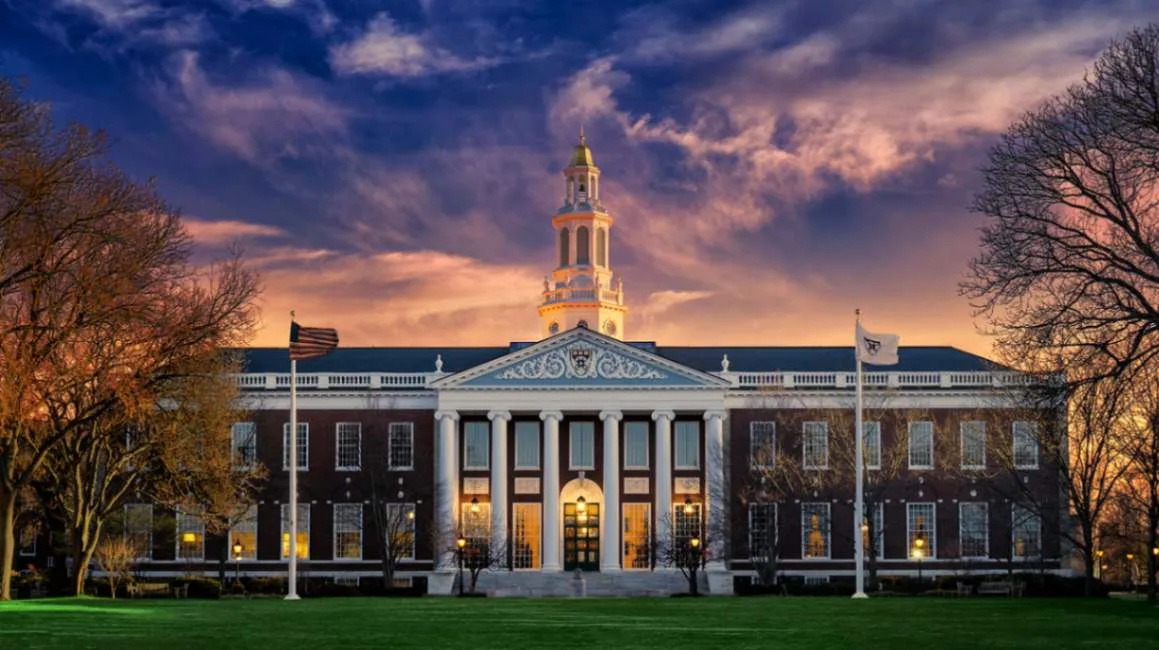
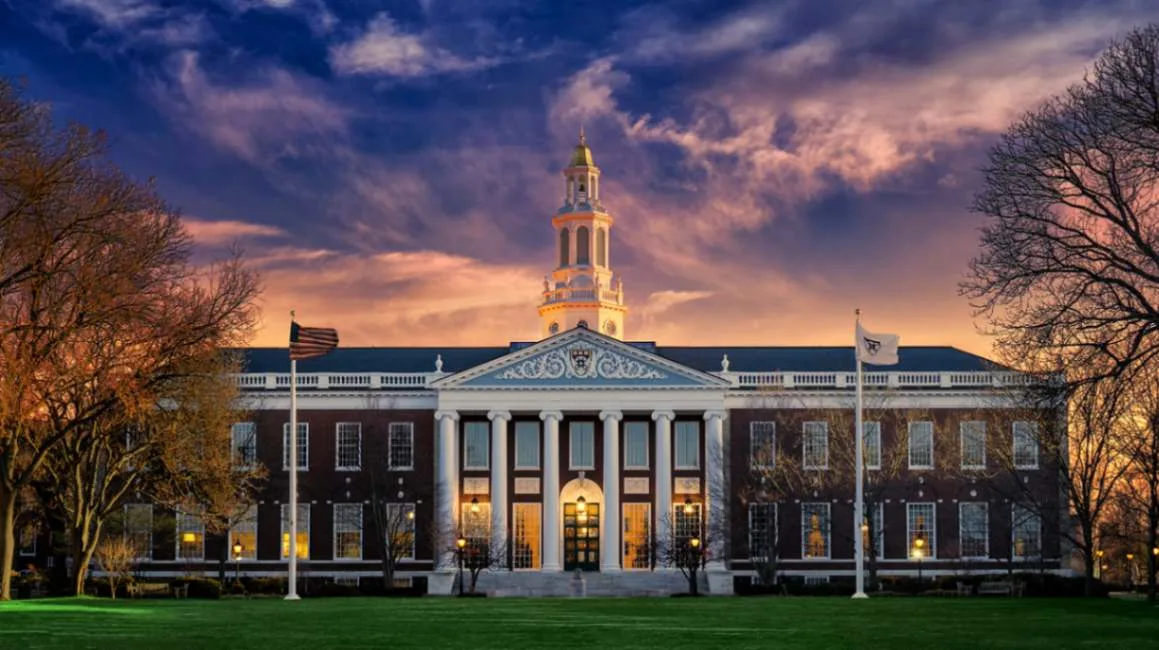
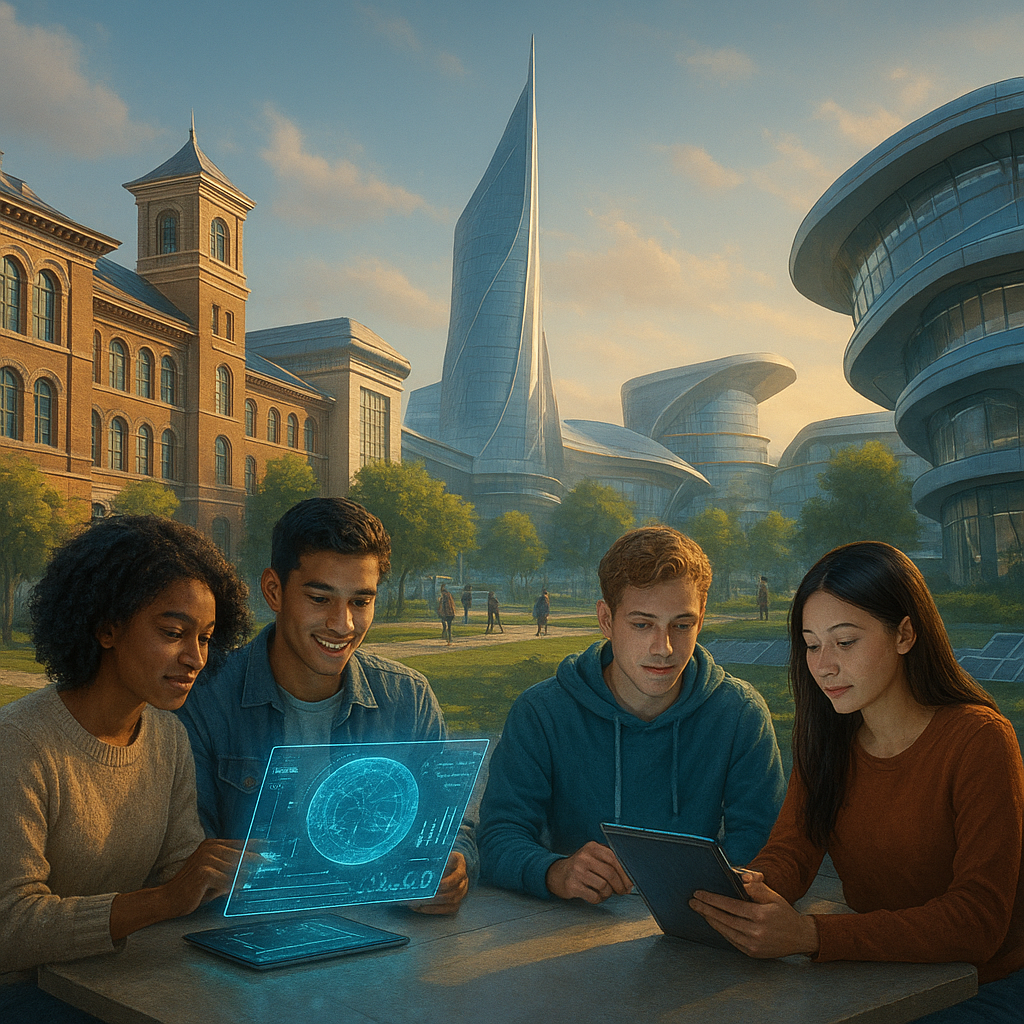
Under the towering oaks of a centuries-old campus, students gather amid the hum of digital devices and the chatter of diverse languages. The university remains a vibrant crossroads where tradition meets innovation. Yet, as enrollment patterns shift and technology reshapes how knowledge is accessed, universities face critical questions about their role in society. In 2026, despite global upheavals and rapid technological advances, more than 220 million students attend higher education institutions worldwide, highlighting the sustained value placed on university education, according to UNESCO data.
This scene is not just a snapshot of youth and learning but a microcosm of broader transformations. Universities today balance heritage with reinvention, offering hybrid learning models alongside venerable lecture halls. The tension between accessibility and exclusivity, vocational training and liberal arts, global rankings and local relevance animates debates across continents.
Such dynamics underscore why understanding the university’s evolving landscape is crucial—not just for students and educators but for policymakers, employers, and communities. This article examines the trajectory of universities, the forces driving change, and the emerging models reshaping education and opportunity.
From Medieval Halls to Digital Campuses: Contextualizing University Evolution
The university as an institution traces its roots to medieval Europe, with the University of Bologna (founded in 1088) often cited as the oldest continuous university. Initially centers for theology, law, and philosophy, universities became engines of knowledge production and social mobility. Over centuries, their mission expanded to serve burgeoning industrial economies and democratic societies.
The 20th century witnessed massification, with universities opening doors to millions previously excluded by class, race, or gender. Post-World War II, governments invested heavily in higher education, resulting in an explosion of research and specialized disciplines. The rise of the research university model positioned institutions as hubs of innovation driving economic growth.
Nevertheless, critiques emerged about universities’ ability to adapt to rapidly changing labor markets and societal needs. By the early 21st century, globalization, digital technology, and shifting demographics challenged traditional models. Universities faced pressures to demonstrate value beyond prestige and degrees.
In response, many adopted online education platforms, interdisciplinary programs, and partnerships with industry. Yet, disparities in access and outcomes persist worldwide, raising questions about equity and the true democratization of knowledge.
Analyzing Today’s University Landscape: Data and Trends in 2026
As of 2026, the global higher education ecosystem is a complex mosaic. The World Bank reports that roughly 45% of young adults worldwide pursue some form of tertiary education, but participation rates vary widely. Developed regions like North America and Europe exhibit rates above 70%, while parts of Sub-Saharan Africa remain below 15%.
Key trends shaping universities include:
- Hybrid and Online Learning Expansion: Over 60% of universities now offer hybrid curricula combining in-person and online instruction, a legacy accelerated by the COVID-19 pandemic’s educational disruptions.
- Emphasis on Lifelong Learning: Universities increasingly provide modular credentials and micro-credentials, catering to professionals updating skills amid rapid technological change.
- Internationalization and Mobility: Despite geopolitical tensions, international student mobility continues to rebound, with over 7 million students studying abroad, primarily in the US, UK, Australia, and Canada.
- Financial Challenges and Tuition Inflation: Many institutions grapple with funding shortfalls, leading to tuition hikes and debates about affordability and student debt.
- Research and Innovation Hubs: Leading universities attract billions in research funding, partnering with industries in AI, biotech, and sustainability sectors.
Comparatively, elite institutions command significant influence, but regional universities often serve as vital access points for underserved communities. According to OECD, graduates from tertiary education have a 15% lower unemployment rate on average, underscoring the economic value of university credentials.
"Universities remain critical for social mobility, but must evolve to remain relevant in fast-changing economies," says Dr. Lena Ortega, education policy analyst.
2026 Developments: Universities Embracing Technology and Inclusivity
This year marks pivotal shifts as universities worldwide harness AI, immersive technologies, and data analytics to transform teaching and student experience. Institutions are deploying adaptive learning platforms that customize content to individual needs, increasing engagement and retention.
Moreover, diversity, equity, and inclusion (DEI) initiatives have gained unprecedented momentum. Universities are revisiting admissions policies, curricula, and campus cultures to foster belonging and dismantle systemic barriers. For example, the University of Cape Town’s recent pilot program integrating indigenous knowledge systems into science curricula illustrates this trend.
Governments are also revising funding models, incentivizing public universities to collaborate with local industries and communities. In the US, new federal grants support universities developing green technology programs aligned with climate goals.
However, challenges remain. Academic workforce shortages, mental health crises among students, and geopolitical tensions affecting international collaboration test institutional resilience.
"The university of 2026 must be a place where technology amplifies human potential rather than replaces it," notes Professor Samuel Kim, a leader in educational innovation.
These developments align with broader shifts in education explored in TheOmniBuzz’s pieces on how EdTech is redefining learning beyond the classroom walls and how online learning is shaping education’s next frontier.
Expert Perspectives: Universities’ Role in Society and Industry Impact
Leading experts emphasize that universities no longer serve solely as knowledge repositories but as dynamic ecosystems linking research, education, and societal development. Dr. Anita Patel, director of a major research university, explains that partnerships with industry fuel innovation pipelines while offering students practical skills.
At the same time, critics caution against over-commercialization. The pressure to attract funding and produce market-ready graduates can undermine academic freedom and critical inquiry.
Employers increasingly value soft skills, adaptability, and creativity—qualities nurtured through liberal education models. Yet, some vocational programs better address immediate labor market needs, creating tension between educational ideals and economic demands.
Universities also impact local economies, often serving as anchor institutions in urban and rural settings. Their research output attracts startups and investment, while cultural events and public lectures enrich communities.
- Universities contribute approximately $1.3 trillion annually to the global economy, according to industry estimates.
- Graduates generate higher lifetime earnings, with an average premium of 40% compared to non-graduates.
- Research universities produce 85% of patents filed in high-tech sectors.
These figures illustrate why universities continue to command attention from governments, businesses, and civil society.
Looking Ahead: What to Watch in University Education’s Future
As universities evolve, several trends will define their trajectory over the next decade. First, the integration of artificial intelligence promises personalized learning and administrative efficiencies but raises ethical questions about data privacy and equity.
Second, the rise of competency-based education may challenge traditional degree frameworks by focusing on demonstrable skills rather than credit hours. This shift could democratize access and accelerate workforce entry.
Third, global collaboration networks among universities could expand, transcending national borders to address global challenges like climate change, health crises, and inequality.
Finally, the role of universities as civic actors will intensify. Institutions may increasingly engage in policy advocacy and community development, reinforcing their social contract.
Prospective students and parents should carefully assess universities’ offerings, values, and outcomes. For educators and administrators, continuous innovation balanced with commitment to access and quality remains paramount.
For those interested in mastering effective learning techniques, you might enjoy TheOmniBuzz’s Mastering Study Strategies, which offers evidence-based approaches aligned with modern pedagogical advances.
In summary, universities stand at a crossroads, balancing heritage with transformation. Their ability to adapt will shape not only individual futures but societal progress.