Facing the Climate Reality: A Moment of Reckoning
On a sweltering July day in 2026, temperatures soared past 45°C in parts of southern Europe, shattering previous regional records. Wildfires raged with unprecedented ferocity, displacing thousands and leaving scars on ecosystems that took centuries to evolve. This is not an isolated episode but a disturbing symptom of the accelerating climate crisis. The latest Intergovernmental Panel on Climate Change (IPCC) report released this year emphasizes that global warming has already reached 1.5°C above pre-industrial levels, bringing irreversible changes within reach. Governments, corporations, and civil society face an urgent imperative: climate action is no longer optional but existential.
Despite decades of scientific warnings and international agreements, emissions remain stubbornly high, and the window to limit warming below 2°C is rapidly closing. This article unpacks the complex facets of climate action in 2026, examining how far global efforts have come, where critical challenges persist, and the pathways to a sustainable future that is now within grasp if decisive steps are taken immediately.
"The climate crisis is the defining challenge of our time, demanding transformation across all sectors and scales." — United Nations Secretary-General, 2026
Tracing the Path: How We Arrived at the 2026 Climate Crossroads
The roots of today's climate predicament stretch back over a century of industrial development powered predominantly by fossil fuels. The 20th century’s rapid growth came at a steep environmental cost, with carbon dioxide emissions rising exponentially. The seminal 1979 Charney Report first quantified the potential warming from increased CO2 concentrations, but it took decades for global policies to respond effectively.
The 1997 Kyoto Protocol marked the first binding international treaty targeting greenhouse gas reductions, but its impact was limited by exemptions and lack of enforcement mechanisms. The 2015 Paris Agreement was a watershed moment, with nearly 200 nations pledging to keep temperature rise well below 2°C and pursuing efforts toward 1.5°C. However, the voluntary nature of Nationally Determined Contributions (NDCs) and insufficient ambition meant emissions continued to climb in the early 2020s.
Several global events shaped the trajectory toward 2026:
- 2021 COP26 Summit: Nations revised NDCs upward but still fell short of targets.
- Technological Breakthroughs: Cost reductions in renewables and battery storage accelerated clean energy adoption.
- Climate Finance Mobilization: Public and private sectors pledged billions to support developing countries in mitigation and adaptation.
- Extreme Weather Events: Repeated droughts, floods, and hurricanes underscored the urgency of action, influencing public opinion and policy.
Nevertheless, systemic inertia, geopolitical tensions, and competing economic interests slowed the pace of emission reductions, leaving the world perilously close to irreversible tipping points.
The Data Behind the Crisis: Emissions, Energy, and Economic Impacts
Scientific data form the backbone of understanding climate action needs. According to the Global Carbon Project, despite a brief pandemic-related dip in 2020, global CO2 emissions rebounded to approximately 38.5 gigatons in 2025, representing a marginal annual decrease of only 0.7% since 2022—far below the 7.5% yearly reductions scientists argue are required to meet 1.5°C targets.
The energy sector remains the largest source of emissions, accounting for nearly 73% of global greenhouse gases. Fossil fuels continue to dominate, with coal still supplying 30% of electricity globally, although its share has declined from 40% in 2015. Renewable energy capacity grew by 12% annually between 2020 and 2025, led by solar and wind installations, but this growth is not yet displacing fossil fuels at a sufficient scale.
Economic analyses reveal climate change's mounting toll. A 2026 report by the World Bank estimates that climate-related disasters cost the global economy $600 billion annually, disproportionately impacting low-income countries. Conversely, the International Renewable Energy Agency (IRENA) projects that a transition to renewables could create 50 million new jobs worldwide by 2030, offering a pathway to sustainable growth if harnessed judiciously.
"Achieving net-zero emissions requires systemic shifts, not incremental adjustments. Our economic models must integrate climate realities or risk collapse." — Climate Economist Dr. Helena Martens, 2026
2026 Milestones: What’s New in Climate Action This Year?
The year 2026 marks several pivotal developments in climate action:
- Global Carbon Pricing Gains Momentum: Over 65 countries have now implemented carbon pricing mechanisms, collectively covering 30% of global emissions—up from 15% in 2020.
- Breakthroughs in Green Hydrogen: Costs have fallen below $1.50/kg in key markets, enabling industrial sectors like steel and chemicals to begin large-scale decarbonization.
- Climate Litigation Increases: Courts worldwide are holding corporations and governments accountable for climate inaction, influencing policy and corporate strategies.
- Nature-Based Solutions Expand: Reforestation and wetland restoration projects have sequestered an estimated 2.5 gigatons of CO2 annually, though scaling remains challenging.
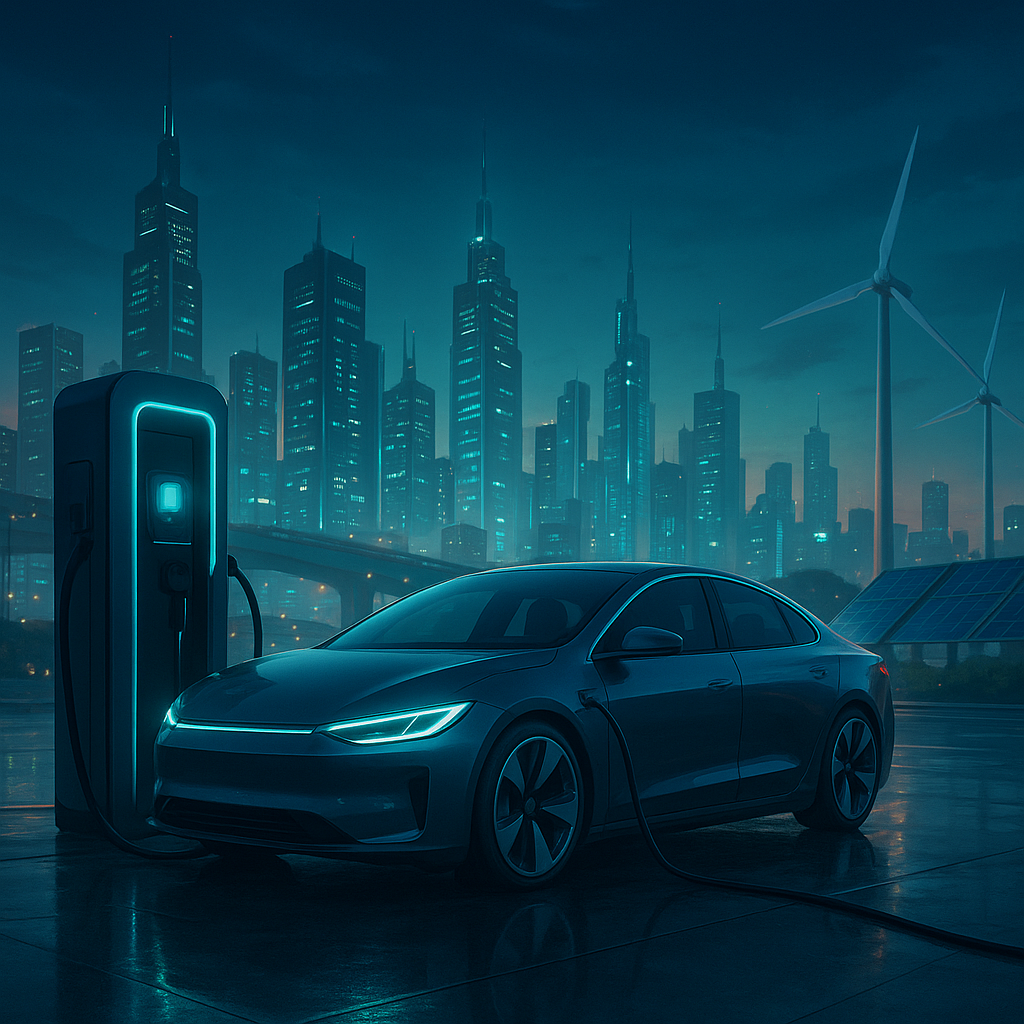
In parallel, the energy sector sees rapid deployment of advanced grid technologies and energy storage solutions, improving the integration of intermittent renewables. The transportation industry is witnessing accelerated electrification, with electric vehicle (EV) sales reaching 45% of new car sales globally, driven by government incentives and falling battery prices.
However, challenges remain. Developing countries still face barriers in accessing climate finance and technology transfer. Energy poverty persists, and fossil fuel subsidies, totaling $450 billion annually, continue to distort markets and delay the transition.
For deeper insights into how renewable energy is reshaping global power and climate action, see our detailed analysis here. Similarly, a comprehensive discussion on accelerating climate action can be found in our feature Why Climate Action Must Accelerate.
Voices from the Field: Expert Perspectives and Industry Transformations
Leading climate scientists and sustainability experts emphasize that the window for transformative action is closing rapidly. Dr. Lina Ocampo, a prominent climate policy advisor, highlights that "integrated approaches combining mitigation, adaptation, and social equity are essential for durable climate solutions." She stresses the importance of embedding climate resilience into infrastructure planning and urban development.
From the corporate sector, multinational companies are increasingly embracing science-based targets. Notably, tech giants and manufacturers are investing heavily in circular economy models and supply chain decarbonization. For example, a consortium of 50 companies recently announced a commitment to achieve net-zero Scope 3 emissions by 2040, reflecting broader recognition that indirect emissions constitute the majority of their carbon footprints.
Financial institutions play a critical role in channeling capital toward sustainable ventures. The Global Sustainable Finance Alliance reports that green bond issuance surpassed $2 trillion in 2025, signaling a maturing market. Yet, analysts caution about greenwashing risks and call for enhanced transparency and standardization.
- Key industry trends in 2026 include:
- • Heightened ESG (Environmental, Social, Governance) integration in investment decisions
- • Expansion of carbon capture and storage (CCS) projects, although costs and scalability remain hurdles
- • Growing consumer demand for sustainable products influencing corporate strategies
"The private sector’s commitment to net-zero is no longer voluntary fluff; it’s a business imperative linked to competitiveness and survival." — Sustainability Director, Global Manufacturing Firm
Looking Ahead: What to Watch in Climate Action Beyond 2026
As the world approaches critical climate thresholds, future progress hinges on several key factors:
- Policy Ambition and Enforcement: Governments must strengthen NDCs and implement robust regulatory frameworks that ensure compliance and incentivize innovation.
- Technological Innovation: Advances in energy storage, direct air capture, and low-carbon materials can unlock new decarbonization pathways.
- Social Equity and Inclusion: Climate policies need to prioritize vulnerable populations to ensure just transitions and avoid exacerbating inequalities.
- International Cooperation: Enhanced collaboration on finance, technology transfer, and knowledge sharing is vital, especially for developing nations.
- Public Engagement: Continued awareness and grassroots mobilization can drive political will and behavioral change.
Experts warn that complacency or fragmented efforts risk locking in high emissions trajectories that will severely disrupt ecosystems, economies, and societies. Conversely, ambitious, coordinated action can realize co-benefits such as improved air quality, job creation, and sustainable development.
For practical steps individuals and organizations can take, our guide Taking Climate Action Seriously: A Practical Guide for Beginners offers accessible strategies to contribute meaningfully.
In conclusion, climate action in 2026 embodies both daunting challenges and unprecedented opportunities. The choices made now will reverberate for generations. The evidence is unequivocal, and the call to action clear: the time to act decisively is now.