
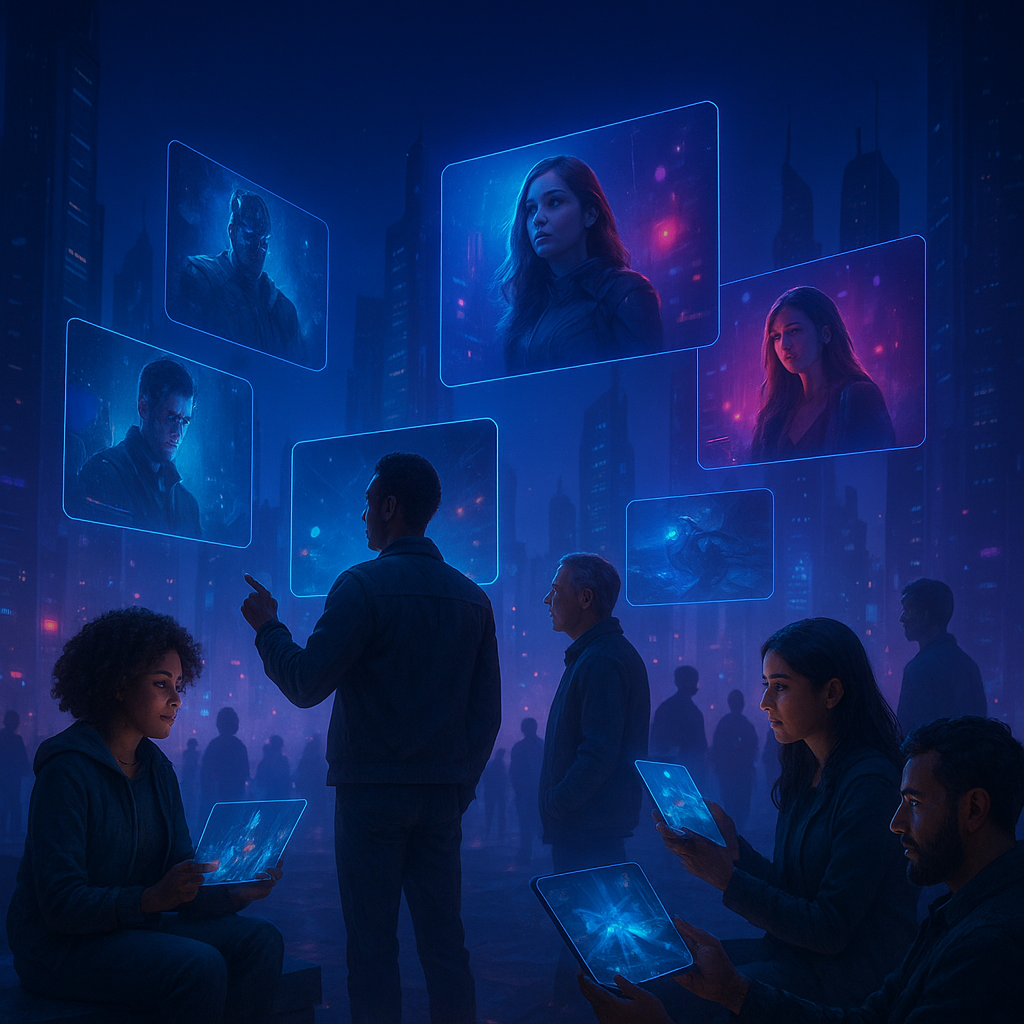
Streaming’s Unseen Expansion: From Novelty to Necessity
Imagine a typical evening in 2026: a family gathers around a smart display, effortlessly skipping through a curated menu of 8K ultra-high-definition content tailored by AI algorithms that have learned each member’s preferences over years. This scene, once futuristic, is now commonplace, underscoring how streaming has become the backbone of entertainment worldwide. According to industry estimates, global streaming subscriptions surpassed 1.8 billion in late 2025, a staggering leap from just 500 million in 2018. This explosive growth is not merely a result of increased internet penetration but a fundamental transformation in how content is created, distributed, and consumed.
The streaming revolution has shifted entertainment consumption from rigid programming schedules and physical media to on-demand, personalized experiences. What began as a convenient alternative to DVDs and cable TV has evolved into a complex ecosystem blending technology, data science, and storytelling. The metamorphosis is visible not only in consumer habits but also in the entertainment industry’s business models, competitive landscape, and creative ambitions.
“Streaming is no longer just a distribution channel; it’s the primary cultural lens through which audiences engage with stories,” says Dr. Helena Markovic, a media analyst at the Global Entertainment Research Institute.
This article explores the roots, current landscape, and future prospects of streaming, providing a comprehensive overview supported by authoritative data and expert insights.
Tracing the Trajectory: How Streaming Reshaped Entertainment
The streaming phenomenon emerged from the confluence of broadband proliferation, smartphone ubiquity, and advancements in cloud computing. Early pioneers like Netflix and Hulu in the early 2010s disrupted the traditional TV industry by offering vast libraries accessible anytime, anywhere. Netflix’s transition from DVD rental to streaming was pivotal, catalyzing a wave of innovation and competition.
By 2020, the media landscape was fragmented with numerous players entering the space—Disney+, Amazon Prime Video, HBO Max, Apple TV+, and regional platforms like India’s Hotstar and South Korea’s Wavve. The shift was further accelerated by the global COVID-19 pandemic, which drove massive spikes in streaming consumption as theaters shuttered and people sought home entertainment.
However, the story is not just about technology and availability. Streaming has redefined storytelling itself. The on-demand model freed creators from traditional time constraints, enabling varied episode lengths, experimental formats, and interactive elements. Viewer data analytics offered unprecedented feedback loops to producers, influencing content development in real time.
- 2010: Netflix launches streaming service, disrupting DVD rental model.
- 2015: Amazon Prime Video and Hulu expand original content investments.
- 2019: Disney+ enters with aggressive global rollout strategy.
- 2020: Pandemic boosts streaming subscriptions by over 30% worldwide.
- 2023: AI-driven content personalization becomes mainstream.
These milestones mark the evolution from streaming as an alternative to a dominant form of entertainment delivery.
Streaming Today: The 2026 Landscape and Its Complexities
As of 2026, streaming is a multitrillion-dollar industry encompassing subscription video on demand (SVOD), ad-supported video on demand (AVOD), live streaming, and niche platforms targeting specialized audiences. The market is saturated yet dynamic, with major players consolidating and innovating to capture attention.
Data from the Digital Entertainment Analytics Consortium reveals the following distribution of global streaming market share:
- Netflix: 27%
- Disney+: 19%
- Amazon Prime Video: 15%
- Regional Platforms (combined): 20%
- Others (including AVOD, live sports): 19%
The rise of AVOD platforms has introduced new monetization strategies, balancing free access with targeted advertising. This hybrid monetization model appeals especially to younger demographics wary of subscription fatigue. Moreover, live streaming—particularly for sports, eSports, and concerts—has integrated closely with social media, creating interactive, community-driven viewing experiences.
Technological advancements underpin these shifts. Edge computing and 5G+ networks have drastically reduced latency, enabling smoother experiences even on mobile devices. Simultaneously, AI and machine learning algorithms refine content recommendations, dynamic ad insertion, and even automated content localization for global audiences.
The 2026 content ecosystem is also marked by the growing influence of AI in production. Studios use generative AI for scriptwriting assistance, CGI enhancements, and dubbing, accelerating workflows and reducing costs.
“AI is transforming not only what gets made but how it’s made and consumed,” notes Jun Park, CTO of StreamWave Technologies.
The competitive landscape continues to shape content strategies, with streaming services investing heavily in exclusive, high-quality originals and leveraging intellectual property franchises. The trend toward bundling—offering packages combining video, music, games, and even virtual reality experiences—is growing, aiming to increase user stickiness.
The Impact on Traditional Media and Storytelling Evolution
The rise of streaming has placed immense pressure on traditional media outlets—cable networks, theaters, and physical retailers. Cable subscriptions have plummeted by over 60% in key markets since 2018, forcing incumbents to pivot toward streaming or risk obsolescence. Meanwhile, theatrical releases have adopted hybrid models that include simultaneous streaming debuts, transforming box office economics.
Storytelling itself has evolved radically. Binge-watching culture encourages serialized, complex narratives that reward long-term engagement. Streaming’s global reach enables diverse stories to find niche audiences previously inaccessible through broadcast or theatrical channels.
Interactive storytelling, once experimental, has gained traction. Platforms now offer viewers choices that influence plot outcomes, blending gaming elements with traditional narratives. This trend challenges conventional authorship and narrative control, creating immersive, participatory experiences.
- Increased budgets for series with cinematic quality (e.g., $200M+ for flagship productions).
- Emergence of non-English content as global hits (e.g., Korean dramas, Spanish thrillers).
- Growth of short-form and vertical video tailored for mobile consumption.
- Integration of social features allowing real-time viewer interaction.
These changes underscore streaming’s role as a cultural and technological disruptor.
Expert Perspectives: Industry Leaders on Streaming’s Future
Senior executives and analysts emphasize that while streaming’s dominance is secure, the next phase focuses on sustainability, innovation, and user experience. Challenges include combating subscription fatigue, addressing content oversaturation, and navigating regulatory frameworks related to data privacy and content moderation.
Lisa Guerrero, CEO of Horizon Streaming Group, highlights a new emphasis on quality over quantity: “Audiences crave meaningful connections with stories. We’re investing in AI-driven analytics to better understand emotional engagement, not just clicks.”
“The future of streaming hinges on personalization that respects privacy and diversity, making entertainment both intimate and inclusive,” says Dr. Markovic.
Another critical angle is the environmental impact of streaming infrastructure. Industry groups are working toward greener data centers and more efficient compression technologies to reduce carbon footprints without compromising quality.
Moreover, blockchain and decentralized streaming models are gaining interest as alternatives to centralized platforms, promising enhanced transparency and creator autonomy.
TheOmniBuzz’s own coverage, including How Streaming, AI, and Global Audiences Are Reshaping Movie Magic and Why Streaming's Silent Revolution Is Redefining Entertainment Consumption, delve into these transformative forces shaping the next decade.
Looking Ahead: What Will Streaming Become by 2030?
As we approach 2030, streaming is poised to further integrate with emerging technologies and consumer habits. Experts predict several key trajectories:
- Immersive Experiences: Virtual reality (VR) and augmented reality (AR) will become mainstream streaming formats, offering fully immersive narratives.
- Hyper-Personalization: AI will craft bespoke content, dynamically adjusting storylines and visual elements to individual preferences.
- Cross-Platform Ecosystems: Seamless transitions between devices and media types, integrating gaming, live events, and social interactions.
- Decentralized Content Creation: Blockchain-powered platforms will empower creators with direct audience monetization and control.
- Environmental Responsibility: Sustainable streaming practices will be industry standards, balancing growth with ecological impact.
Consumers should prepare for a streaming landscape that is more interactive, socially connected, and environmentally conscious. The challenge for providers will be to balance innovation with accessibility and affordability to avoid fragmenting audiences.
“Streaming will not just deliver stories; it will create shared cultural moments that transcend geography and language,” predicts Guerrero.
For viewers seeking to optimize their experience today, Stream Smarter: Pro Tips to Elevate Your Streaming Experience offers practical guidance on navigating this rich, complex ecosystem.
Ultimately, streaming’s journey from a disruptive novelty to an indispensable cultural pillar is one of technological ingenuity and creative reinvention. As the medium continues to evolve, it will redefine not only what we watch but how stories shape our collective imagination.