Unequal Recovery: A Tale of Two Realities
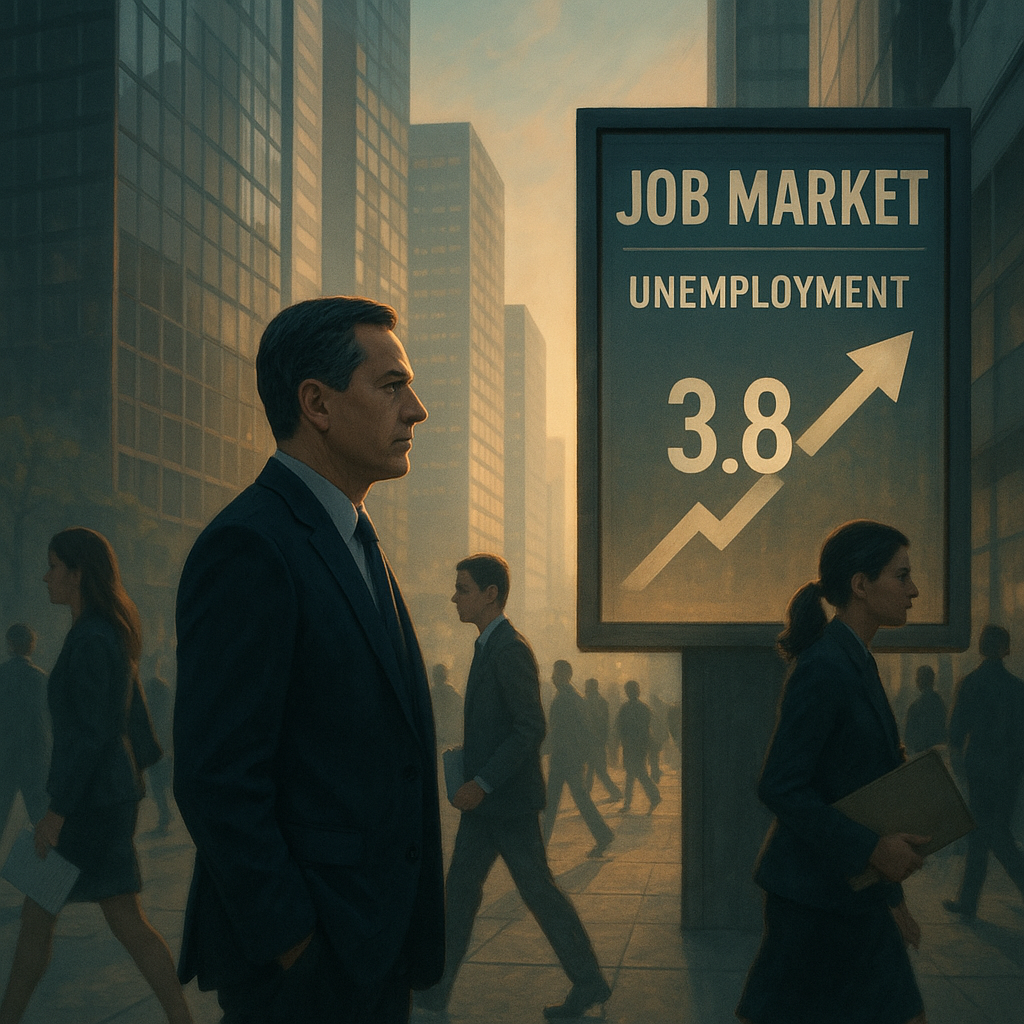
As of October 2026, the national unemployment rate has steadily declined to 3.6%, marking the lowest level since early 2020, according to U.S. Bureau of Labor Statistics data. Headlines celebrate this improvement as a clear sign of economic recovery and labor market strength. Yet, for a significant segment of the workforce—experienced workers aged 45 and above—this rosy picture feels disconnected from reality.
Consider the case of Maria Gonzalez, a 52-year-old marketing strategist with over 25 years of experience, recently laid off from a mid-sized tech firm. Despite her qualifications, she has faced months of rejection, often receiving no callbacks or offers for positions that previously matched her skill set. Maria’s story is not unique. Across industries, seasoned professionals report persistent barriers to reemployment even as employers claim labor shortages.
“It’s like being invisible. The economy is ‘good,’ but I haven’t seen that reflected in my job search or opportunities,” says Maria.
This disconnect underscores a widening gap between headline unemployment figures and the lived experience of many veteran workers. The national statistics fail to capture nuances such as underemployment, age discrimination, and shifting industry demands that disproportionately impact this demographic.
Tracing the Roots: How Did We Get Here?
The current paradox of falling unemployment and stagnant prospects for experienced workers is rooted in complex economic and technological shifts unfolding over the past decade. Post-pandemic recovery efforts initially focused on rapid job growth, particularly in lower-skilled sectors like hospitality and retail, where younger workers dominate. Meanwhile, automation and AI adoption accelerated in middle-skill roles, many traditionally filled by seasoned employees.
Moreover, the rise of gig economy platforms and contract-based work has reshaped employment patterns. While these offer flexibility, they often lack stability and benefits, disproportionately affecting older workers who seek secure, full-time roles. The increasing emphasis on digital skills, especially proficiency with AI-driven tools and analytics, has created a skill gap that many experienced workers struggle to bridge without substantial retraining.
Demographic trends also play a role. The aging U.S. population means a greater share of the workforce is older, but many employers remain hesitant to invest in training or hiring older employees due to implicit biases or perceived costs.
According to a 2025 Pew Research Center study, 58% of workers over 50 reported feeling overlooked for job opportunities compared to younger counterparts.
These factors combined have led to a labor market that statistically appears robust but is uneven in its distribution of opportunity.
Data and Dimensions: What the Numbers Reveal
To understand this disparity, it is vital to go beyond the headline unemployment rate. Detailed labor force participation data from the Bureau of Labor Statistics reveal that while overall participation has rebounded to 62.8%, the rate for workers aged 55 and older remains at a depressed 39.5%, down from pre-pandemic levels near 41.5%. This decline signals many experienced workers dropping out of the labor force entirely.
A 2026 survey by the National Employment Law Project found that among unemployed workers over 50:
- 45% had been unemployed for more than six months, compared to 25% for younger workers.
- Only 28% received any job training or reskilling support during unemployment.
- 42% reported age-related bias during interviews or in hiring decisions.
The wage gap further complicates reentry. Experienced workers often command higher salaries, but employers increasingly prefer hiring younger talent at lower wages, especially in tech and manufacturing sectors adapting to automation.
Industry-specific data also highlight uneven recovery. For example, in manufacturing—a sector with a high concentration of veteran workers—employment has only recovered to 87% of its 2019 levels. Conversely, sectors like hospitality and logistics have surpassed pre-pandemic employment, fueled by younger labor pools.
Such data complement investigative insights from our earlier TheOmniBuzz articles, including Why Experienced Workers Aren’t Feeling the Benefits of Falling Unemployment and Unemployment Rates Fall, But Experienced Workers Still Face Hidden Struggles, which delve into these trends comprehensively.
2026 Developments: New Challenges and Emerging Solutions
This year has brought both intensified challenges and innovative responses for experienced workers. The tech sector’s ongoing AI revolution has automated many routine and mid-level functions, disproportionately impacting veteran employees who specialized in those roles. For instance, companies like GlobalTech Solutions announced in mid-2026 that AI-enabled workforce optimization reduced their mid-tier management headcount by 15%, affecting mostly employees over 45.
At the same time, some industries are pioneering initiatives to address this demographic’s plight. The National Skills Coalition launched the “Experience Counts” program, providing targeted reskilling grants for workers aged 50+, focusing on digital literacy, data analysis, and emerging green technologies. Early results show a 20% placement rate improvement among participants.
Additionally, a growing number of corporations are adopting age-diverse hiring policies, motivated partly by evidence that teams with diverse age groups yield higher innovation and retention rates. Notable examples include FinServe Inc. and HealthNext, both offering mentorship-linked roles where older workers pair with younger employees, fostering knowledge transfer.
Yet, these efforts remain patchy and underfunded. According to the 2026 Labor Market Equity Report, only 12% of employers have formal programs dedicated to overcoming age bias or supporting older workers’ reintegration.
Labor economist Dr. Evelyn Harper notes, “We’re seeing pockets of progress, but systemic change requires policy action and cultural shifts that are still lagging.”
Voices from the Field: Expert and Industry Insights
Experts widely agree that improving employment outcomes for experienced workers demands multi-faceted strategies. Aging workforce specialist and consultant Mark Delaney emphasizes the importance of lifelong learning ecosystems. “Companies need to invest continuously in upskilling employees at all career stages, not just when they’re newly hired,” he argues.
Human resources leaders report a tension between cost pressures and the value of experienced talent. Sarah Kim, VP of Talent Acquisition at a Fortune 500 firm, explains, “Experienced workers bring institutional knowledge and leadership but sometimes lack current tech skills. Balancing that requires innovative retraining models and flexible role design.”
Policy analysts advocate for stronger government involvement. Suggestions include expanding tax incentives for companies hiring older workers, enhancing unemployment benefits linked to training, and enforcing anti-discrimination laws more rigorously.
These perspectives echo findings in TheOmniBuzz’s investigative piece Why Experienced Workers Still Struggle Despite Falling Unemployment Rates, which highlights systemic barriers and potential remedies.
“Ignoring the experienced segment of the labor force isn’t just unfair—it’s economically irrational given their productivity and stability,” notes Dr. Harper.
Looking Ahead: What to Watch and How to Adapt
As we move further into 2026 and beyond, several key trends will shape the employment landscape for experienced workers. The acceleration of AI and automation will continue to redefine job requirements, making reskilling not optional but essential. Governments and corporations that proactively foster inclusive, age-friendly labor markets will likely gain competitive advantages in talent retention.
Workers themselves must engage with lifelong learning, embracing new technologies and adaptability. Public-private partnerships delivering accessible training programs will be critical to bridging skill gaps.
- Policy Watch: Upcoming legislation on workforce equity and training funding could provide vital support.
- Technological Shifts: Emerging fields like green energy, health tech, and AI ethics may offer new career pathways tailored for experienced workers.
- Cultural Change: Shifting employer attitudes toward age diversity and flexible work models will improve inclusion.
Ultimately, reconciling the unemployment rate improvement with the challenging reality for experienced workers requires a more nuanced understanding of labor market dynamics and targeted interventions. As explored in our related coverage at TheOmniBuzz, the path forward demands collaboration across sectors and a commitment to valuing experience alongside innovation.
Maria Gonzalez’s story, and those like hers, remind us that national statistics tell only part of the story. The true measure of economic health lies in ensuring all workers, regardless of age, share in the recovery’s benefits.