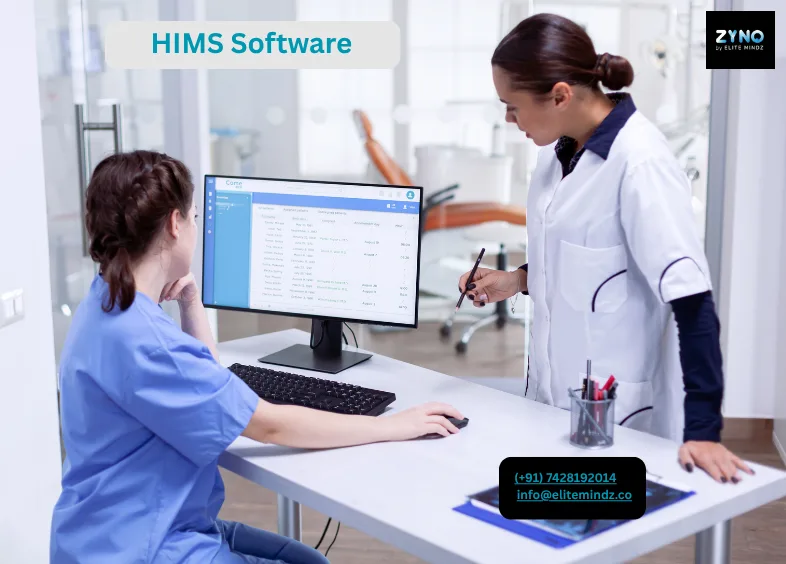
Hospitals manage multiple activities every day, including patient registration, consultations, diagnostic services, pharmacy operations, billing, and staff coordination. When these activities are handled through separate systems or manual processes, hospitals may experience delays, unnecessary expenses, and administrative difficulties. HIMS software helps healthcare organizations bring these operations together through a centralized digital platform.
1. High Administrative Expenses
Manual paperwork, repeated data entry, and disconnected systems increase administrative workload. Hospitals may need additional time and resources to manage routine tasks.
HIMS software automates processes such as patient registration, appointment scheduling, billing, and record management. This reduces repetitive work and allows administrative teams to focus on more important responsibilities.
2. Inefficient Use of Hospital Resources
Poor coordination can lead to unused beds, delayed appointments, unavailable equipment, and uneven staff workloads. These issues affect both operational efficiency and patient experience.
A centralized HIMS platform provides better visibility into hospital resources. Management teams can monitor bed availability, staff schedules, appointments, and department activities to make informed decisions.
3. Increased Errors in Billing and Payments
Manual billing processes can create calculation mistakes, duplicate entries, and delays in payment collection. These problems can affect financial management and patient satisfaction.
HIMS software connects billing with patient services, consultations, laboratory tests, pharmacy purchases, and other hospital activities. Automated billing helps improve calculation accuracy and maintain organized financial records.
4. Delays in Diagnostic Services
Laboratories and diagnostic departments handle a large number of requests and reports. Manual coordination between doctors, technicians, and patients can slow down the reporting process.
With HIMS software, diagnostic requests and reports can be managed digitally. Authorized doctors can access available results more easily, helping departments coordinate their work efficiently.
5. Difficulty Managing Medicines and Medical Supplies
Hospitals need to maintain sufficient stocks of medicines and medical supplies. Poor inventory tracking can result in expired products, unnecessary purchases, or shortages.
An HIMS inventory module helps track stock levels, monitor expiry dates, and record medicine transactions. This supports better purchasing decisions and reduces avoidable inventory losses.
6. Limited Financial Visibility
Hospital management needs accurate information about revenue, expenses, pending payments, and department performance. When financial information is scattered across different records, preparing reports becomes difficult.
HIMS software centralizes relevant financial information and generates reports that help administrators review hospital performance and identify areas where costs can be controlled.
7. Poor Coordination Between Departments
Doctors, nurses, receptionists, laboratory teams, pharmacists, and billing staff must work together throughout the patient journey. Communication gaps can cause repeated work and unnecessary delays.
A centralized system allows authorized departments to access relevant patient information and service updates. This improves coordination and helps create a more organized workflow.
8. Challenges in Managing Hospital Growth
As hospitals expand, the number of patients, employees, departments, and daily transactions also increases. Systems that work for a small facility may become difficult to manage at a larger scale.
Modern HIMS software can support growing operations through centralized records, configurable workflows, reporting tools, and multi-department management. This makes it easier for hospitals to manage increasing workloads.
Conclusion
Reducing operational costs in healthcare requires more than cutting expenses. Hospitals need better coordination, accurate information, efficient resource utilization, and reliable administrative processes. HIMS software supports these goals by connecting essential hospital activities through one digital platform. With improved visibility and automation, healthcare organizations can reduce operational inefficiencies while building a smoother experience for patients and staff.