
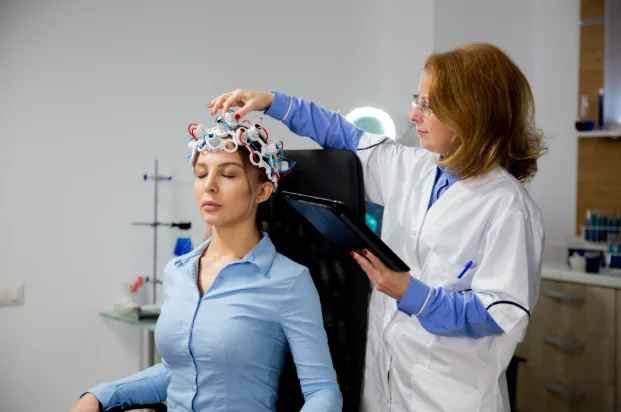
The brain and the spinal cord control everything. Whether you walk, think, or even move a finger, all of that depends on this amazing control center. So if anything ever goes wrong and you find yourself having constant back pain or temporary numbness, you don't want to make any guesses. Instead, you need experts who know how the body is wired and how to repair it.
This is where true expertise counts. A qualified Neurosurgeon is not someone who treats symptoms. He is someone who gets to the bottom of things, devises a detailed plan, and uses advanced technology to help you get back your quality of life. Whether you need complicated brain surgery or minimally invasive spine surgery, an expert surgeon can turn what looks like a daunting prospect into a success story. And in today’s world, such surgeries have never been safer or more precise.
But surgery is not always the first option, nor is it always an option. There are a variety of neurological disorders that can be handled only by proper diagnosis, medication, and continuous observation. And this is the reason why it becomes equally important to partner with an expert Neurologist too. It is a medical doctor who concentrates on nervous system disorders but does not perform any surgery.
When Should You See a Brain and Spine Specialist?
Many people procrastinate until the signals they see are categorized as simply "stress" or "aging." Your body always gives you hints even before it gives you loud warnings. Watch out for the following symptoms:
Headaches that won’t go away with normal methods of relieving them
Pain in your back or neck region for several weeks
Numbness, tingling, or weakness in your limbs
Dizziness or difficulty balancing yourself
Memory problems and being confused
Tremors and inability to control movement
Any type of seizure
Vision problems accompanied by other symptoms
If you feel any of these, then it’s about time you go have yourself checked.
Common Conditions Treated
The neurologist is in charge of a variety of problems, some of which are common and others which are extremely complex. These include the following:
- Brain Disorders
- Brain tumors (both benign and malignant)
- Traumatic brain injury
- Hydrocephalus
- Aneurysms and other vascular problems
- Epilepsy/seizures
- Spine Disorders
- Slipped discs or disc herniation
- Spinal stenosis
- Sciatica/pinched nerves
- Spinal cord injury
- Scoliosis/spinal deformity
- Neurological Disorders
- Parkinson’s disease
- Stroke and post-stroke problems
- Multiple Sclerosis
- Peripheral Neuropathy
- Migraines
Why Modern Neurosurgery Is Different
Forget the scary mental pictures of brain and spine surgery from the past. Things have changed tremendously in this field, and the main beneficiaries are the patients. What makes modern treatment unique?
Minimally invasive procedures – Less pain, fewer scars, and quick healing are ensured by smaller incisions.
Imaging technology – High-quality images make it possible to do detailed planning before making an incision.
Image-guided navigation – It is like GPS in the operating room.
Faster recovery times – Many patients recover quickly after being discharged from the hospital.
Reduced risk of complications – Improved tools and technologies ensure more reliable and safe surgeries.
It is clear that treatments, which once took weeks to heal, now take much less time to recover from.
The Power of a Team Approach
One fact most people may not be aware of is that the best results are seldom achieved by one physician operating alone. Brain and spine care needs cooperation. Surgeons, neurologists, physiotherapists, and other specialists may collaborate to consider all the aspects of your well-being.
The team approach implies:
- A proper diagnosis made through the combined efforts of several experts
- Well-balanced treatment approaches considering both surgical and conservative therapy
- Comprehensive rehabilitation for regaining strength and function
- Support for the long term so that you will never be alone in your recovery process.
- In this way, your specialists will take into account your overall health instead of your condition alone.
Taking Care of Your Nervous System Every Day
While professionals deal with more serious issues, it is your day-to-day life that significantly influences the health of your brain and spine. Little things will definitely make a difference:
- Move around regularly – This way, you will build your back muscles and improve brain function.
- Pay attention to your posture – If you sit at your desk for hours or stare at your smartphone all day long.
- Choose brain food – Omega-3, leafy greens, and antioxidants.
- Sleep enough – Your brain regenerates during sleep.
- Control stress – The effect of chronic stress on your nervous system is rather negative.
- Take care of your head – Helmets and seatbelts, please. Prevention is better than cure.
Your Health Deserves the Best Hands
In any case, when it comes to your brain and your spine, there is no point in playing around. These are the systems that allow you to be alive, to move, to think, and to communicate with the world. If you suspect anything wrong, you should listen to your body and consult with professionals.
No matter what kind of service you may need, you will get help with the process of diagnosis, treatment, and even with complex neurosurgical procedures. Do not be afraid and hesitate because it means that you are only going to worsen your condition. Reach out for help as soon as possible.
These are the parts of your body that have supported you all the time. They deserve proper professional help from experts.