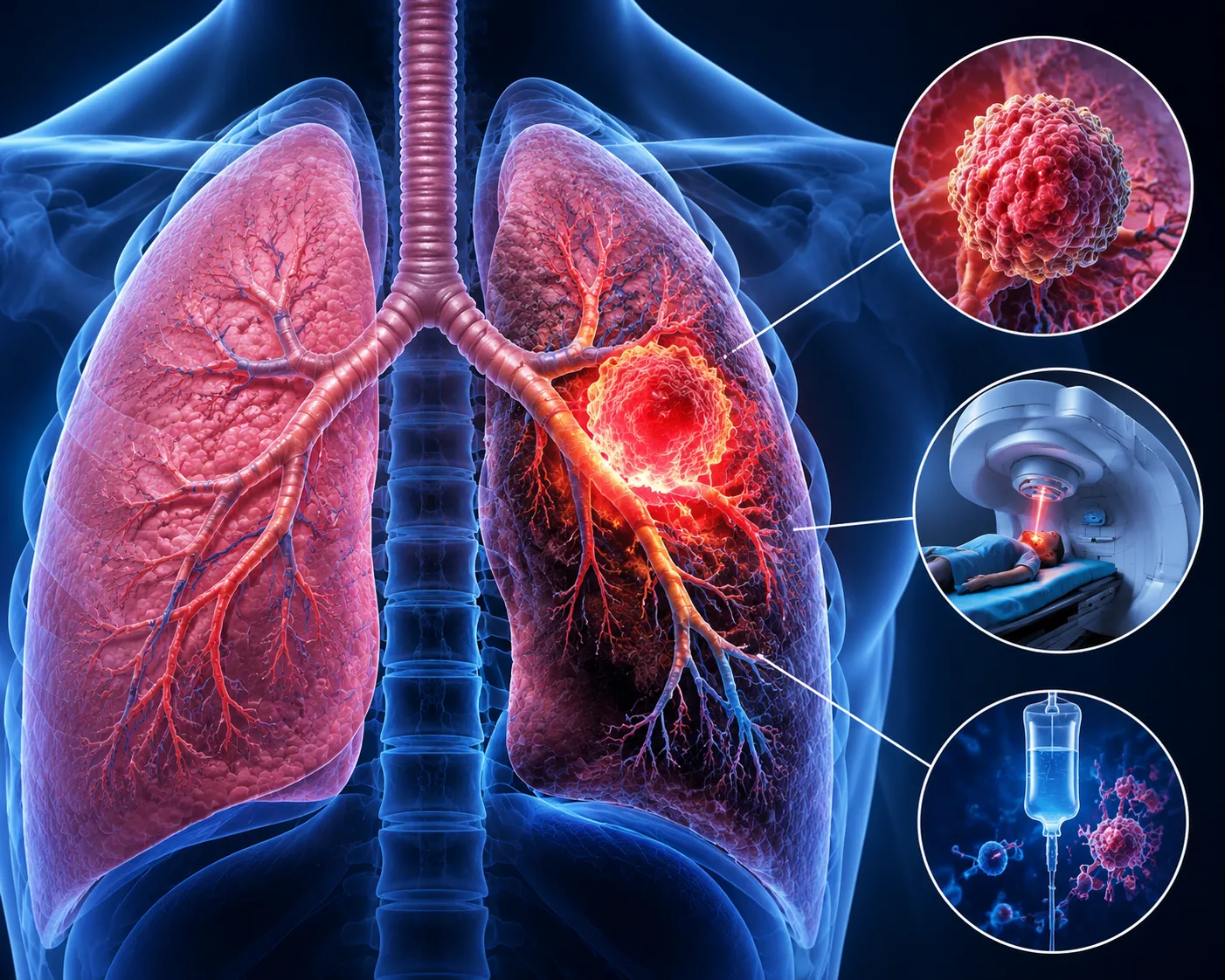
A lung cancer diagnosis can bring several questions for patients and their families. What type of cancer is it? Which investigations are required? Is surgery possible? Will targeted therapy or radiation treatment be suitable? Understanding these questions is an important part of making informed healthcare decisions.Lung cancer develops when abnormal cells in the lungs grow uncontrollably. The condition can affect people differently depending on the cancer type, stage, medical history and overall health. Advances in diagnostic imaging, molecular testing, surgical procedures and cancer medicines have expanded the treatment options available today.
For individuals searching for Lung Cancer Treatment in Coimbatore, choosing a cancer centre with appropriate diagnostic facilities and specialist consultations is an important consideration. GEM Cancer Centre provides medical, surgical and radiation oncology services, helping patients explore treatment options based on their individual medical requirements.This article explains the important aspects of lung cancer, from recognising symptoms and understanding diagnosis to exploring modern treatment approaches.
What Happens When a Person Develops Lung Cancer?
The lungs are essential organs responsible for supplying oxygen to the body. They contain airways and tiny air sacs that support normal breathing. When abnormal cells begin multiplying without normal control, they may form a tumour in the lung tissue.
Lung cancer is broadly classified into two main categories.
Non-Small Cell Lung Cancer (NSCLC): This is the more common category and includes adenocarcinoma, squamous cell carcinoma and large cell carcinoma. Treatment depends on the specific subtype, stage and molecular characteristics.
Small Cell Lung Cancer (SCLC): This type is less common and generally grows and spreads more quickly. Chemotherapy and radiation therapy are commonly used, depending on the disease stage and individual assessment.
Identifying the cancer type is essential because treatment recommendations can differ significantly between these categories.
Early Symptoms of Lung Cancer: When Should You Seek Medical Advice?
Lung cancer does not always produce noticeable symptoms during its early stages. Some signs may resemble respiratory infections or other common lung conditions.
Symptoms that require medical evaluation include:
- A persistent cough that does not improve.
- Blood in the cough or sputum.
- Chest discomfort or pain.
- Shortness of breath.
- Unexplained weight loss.
- Persistent tiredness.
- Repeated chest infections.
- Changes in the voice or persistent hoarseness.
These symptoms do not necessarily indicate lung cancer. Other medical conditions can cause similar problems. However, symptoms that persist, worsen or cause concern should be discussed with a qualified doctor.Understanding the warning signs and seeking appropriate medical advice can help avoid unnecessary delays in diagnosis.
How Is Lung Cancer Diagnosed?
An accurate diagnosis helps doctors understand the cancer type, location and extent before recommending treatment. The investigations selected depend on the patient's symptoms and clinical findings.
1. Chest X-ray and CT Scan
A chest X-ray may help identify unusual areas in the lungs. A CT scan provides more detailed images and helps doctors examine suspicious nodules, masses and surrounding structures.
2. PET-CT Scan
A PET-CT scan combines functional and anatomical imaging. It can help evaluate metabolic activity in suspicious areas and assess whether cancer may have spread to other parts of the body. Doctors may recommend this investigation for staging and treatment planning.
3. Bronchoscopy
Bronchoscopy allows doctors to examine the airways using a thin instrument fitted with a camera. Depending on the findings, tissue or cell samples may be collected for further examination.
4. Lung Biopsy
A biopsy involves collecting a tissue sample from a suspicious area. Laboratory examination helps establish the cancer diagnosis and identify its specific type.
5. Molecular and Biomarker Testing
Certain lung cancers have genetic alterations or biomarkers that can influence treatment decisions. Molecular testing helps identify these characteristics and determine whether targeted medicines or other treatment approaches may be appropriate.These investigations provide important information for planning Lung Cancer Treatment in Coimbatore.
Modern Treatment Options for Lung Cancer
Lung cancer treatment is not the same for every patient. Specialists consider the stage, cancer subtype, molecular test results and overall health before recommending an approach.
1. Targeted Therapy for Lung Cancer
Targeted therapy uses medicines that act on specific molecular changes involved in cancer cell growth. It may be considered when testing identifies an alteration for which an appropriate targeted medicine is available.For example, certain patients with specific EGFR or ALK alterations may be eligible for targeted treatment.Before recommending these medicines, doctors evaluate molecular test results and other clinical information. Targeted therapy is not suitable for every lung cancer patient, and regular monitoring may be required to assess treatment response and side effects.
2. Minimally Invasive Lung Cancer Surgery
Surgery may be recommended for selected patients when the tumour can be removed safely and the patient's health permits an operation.Minimally invasive techniques, including video-assisted thoracoscopic surgery (VATS), may be considered in appropriate cases. These procedures use specialised instruments and smaller incisions to access the affected area.Common surgical procedures include lobectomy, segmentectomy and wedge resection. The appropriate procedure depends on tumour size, location, lung function and other medical findings.A surgical oncologist evaluates the potential benefits and risks before recommending surgery.
3. Radiation Therapy
Radiation therapy uses carefully planned high-energy radiation to damage cancer cells. It may be used as the main treatment in selected cases or combined with chemotherapy, surgery or other treatments.Depending on the diagnosis, radiation therapy may be recommended for localised disease, locally advanced lung cancer or symptom management.A radiation oncologist plans the treatment by considering tumour location, surrounding organs and the patient's medical condition.
4. Chemotherapy
Chemotherapy uses medicines to destroy cancer cells or slow their growth. It may be recommended before surgery, after surgery or as part of treatment for advanced disease.The medicines, treatment schedule and number of cycles depend on the cancer type, stage and patient's response.
5. Immunotherapy
Immunotherapy works by helping the body's immune system recognise and respond to cancer cells. Certain patients may benefit from this treatment depending on tumour biomarkers, cancer stage and previous treatments.Immunotherapy may be used alone or in combination with other treatments in selected situations.
Why Personalised Cancer Treatment Planning Is Important
Two patients diagnosed with lung cancer may receive different treatment recommendations, even if their diagnoses appear similar.
This is because specialists consider several individual factors, including:
- Cancer type and stage.
- Tumour size and location.
- Molecular and biomarker test results.
- Lung function.
- Existing medical conditions.
- Previous treatment history.
- General physical health.
- Patient preferences and treatment goals.
A coordinated approach involving medical oncology, surgical oncology, radiation oncology and diagnostic specialists helps bring different clinical perspectives into treatment planning.When researching Lung Cancer Treatment in Coimbatore, patients should look for clear communication, appropriate investigations and access to relevant specialist consultations.
Lung Cancer Care at GEM Cancer Centre, Coimbatore
GEM Cancer Centre offers medical, surgical and radiation oncology services for patients seeking cancer care in Coimbatore.The centre's approach focuses on understanding each patient's diagnosis and discussing appropriate treatment options. Depending on the clinical requirements, patients may undergo diagnostic evaluation, specialist consultations and individualised treatment planning.For people exploring advanced lung cancer treatment in Coimbatore, important considerations include access to medical oncology, surgical evaluation, radiation oncology and suitable diagnostic investigations.The oncology team helps patients understand their reports, treatment recommendations and follow-up requirements.
Patient Experience at GEM Cancer Centre
A supportive healthcare environment can make the treatment journey easier for patients and their families.
In a Google review, Krishna Kumar Lakshmipathy appreciated the radiation oncology care provided by Dr. Madhu Sairam and the team. The patient highlighted professional care, coordinated staff support, timely appointments and a comfortable treatment experience.Patient feedback reflects individual experiences and can help others understand aspects of hospital care.
However, medical treatment decisions should always be based on professional evaluation and individual clinical needs.
How Can Patients Prepare for a Lung Cancer Consultation?
A little preparation can help patients make better use of their specialist appointment.
Consider carrying:
- Previous CT, PET-CT or X-ray reports.
- Biopsy and histopathology reports.
- Molecular testing results, if available.
- Current medication details.
- Previous treatment records.
- A list of symptoms and when they started.
Patients can also ask about their cancer stage, available treatment choices, possible side effects, expected treatment schedule and follow-up requirements.Having these discussions can help patients and caregivers better understand the next steps.
Frequently Asked Questions About Lung Cancer Treatment
1. Where can I get lung cancer treatment in Coimbatore?
Patients looking for lung cancer care in Coimbatore can consult GEM Cancer Centre for specialist evaluation and discussions about suitable diagnostic and treatment options.
2. What is the most appropriate treatment for lung cancer?
Treatment depends on the cancer type, stage, molecular profile and the patient's overall health. Options may include surgery, radiation therapy, chemotherapy, targeted therapy and immunotherapy.
3. Is targeted therapy suitable for every lung cancer patient?
No. Targeted therapy is considered when specific molecular changes are identified and an appropriate medicine is available.
4. Can lung cancer be treated through minimally invasive surgery?
Minimally invasive surgery may be an option for selected patients. Suitability depends on tumour location, disease stage, lung function and surgical assessment.
5. Is PET-CT required for lung cancer diagnosis?
PET-CT may be recommended to evaluate the extent of disease and support treatment planning. The need for this investigation depends on the patient's clinical condition.
6. Which doctor should I consult for lung cancer?
A medical oncologist, surgical oncologist or radiation oncologist may be involved depending on the diagnosis and treatment requirements. A coordinated specialist evaluation helps determine the appropriate approach.
Conclusion
Understanding lung cancer involves more than identifying symptoms. Accurate diagnosis, cancer staging, molecular testing and specialist evaluation all contribute to treatment planning.Modern approaches such as targeted therapy, minimally invasive surgery, radiation therapy, chemotherapy and immunotherapy have expanded the options available for eligible patients. However, the appropriate treatment depends on individual clinical findings rather than a single standard approach.For patients and families searching for Lung Cancer Treatment in Coimbatore, GEM Cancer Centre provides medical, surgical and radiation oncology services to support the diagnosis and treatment journey.Consult the oncology team to understand your diagnosis, discuss available treatment options and make informed decisions about the next steps in care.