Unfolding Realities: The Climate Crisis Beyond the Headlines
On a brisk morning in August 2026, residents of Dhaka awoke to yet another flood warning. The city, home to over 20 million, has faced intensified flooding events that experts link directly to accelerating climate change. This is not an isolated incident. Across continents, from the wildfires engulfing Canadian forests to the heatwaves baking Southern Europe, the urgency of climate action is no longer an abstract debate but a tangible, daily reality. According to the latest Intergovernmental Panel on Climate Change (IPCC) report released in early 2026, the planet is on track to surpass 1.5°C above pre-industrial levels within the next decade if current emission trends persist. This threshold is widely recognized as the tipping point beyond which climate impacts become catastrophic and irreversible.
“We are at a crossroads where delay no longer remains an option; the window for meaningful action is closing rapidly,” warns Dr. Helena Madsen, a leading climate scientist with the IPCC.
The ramifications of unchecked climate change are multifaceted, affecting ecosystems, economies, and societies worldwide. This article explores the current state of climate action, the underlying challenges, and pathways to accelerate global efforts to safeguard the planet’s future.
The Road So Far: Tracing the Evolution of Climate Action
To understand today’s climate action landscape, it is essential to revisit the journey that brought us here. The international community first coalesced around the climate issue in the late 20th century, culminating in the landmark 1992 United Nations Framework Convention on Climate Change (UNFCCC). Since then, a series of global agreements such as the Kyoto Protocol (1997) and the Paris Agreement (2015) have set the framework for reducing greenhouse gas emissions.
Despite these efforts, global emissions have continued to rise until the mid-2020s, largely due to economic expansion in emerging markets and persistent dependence on fossil fuels. The decade from 2015 to 2025 saw mixed progress: renewable energy adoption surged, but deforestation and industrial emissions remained stubbornly high. Policy inertia and political resistance delayed comprehensive action in many regions. However, public awareness and activism grew exponentially, with movements like Fridays for Future influencing national agendas and corporate strategies.
By 2024, a pivot began as more governments committed to net-zero targets, and technological innovations started to lower the cost of clean energy solutions dramatically. Yet, the legacy of delayed action means that climate risks now manifest with greater intensity and frequency. The year 2026 thus stands at a critical juncture, requiring both reflection and bold acceleration in climate policies.
Decoding the Data: Current Climate Action Metrics and Challenges
Analyzing 2026 data reveals a complex picture. Global carbon dioxide emissions have plateaued but not yet declined significantly. The latest Global Carbon Project data shows emissions hovering around 34.5 gigatonnes annually in 2025, a marginal 2% decrease from 2020 levels. Renewable energy capacity, particularly solar and wind, has doubled since 2020, led by China, the United States, and the European Union. Yet, fossil fuels still account for nearly 60% of global energy consumption.
Climate finance remains a bottleneck. While developed countries pledged $100 billion annually to support developing nations under the Paris Agreement, actual disbursements fell short by nearly 30% in 2025, according to OECD figures. This funding gap hampers adaptation efforts in vulnerable regions, exacerbating social inequities and displacement risks.
Key hurdles in 2026 include:
- Policy Fragmentation: Many countries lack coherent integration of climate goals into economic planning.
- Infrastructure Lock-in: Continued investment in carbon-intensive infrastructure delays the transition.
- Technological Gaps: Emerging economies struggle to access advanced clean technologies.
- Behavioral and Cultural Resistance: Public inertia and misinformation campaigns undermine urgency.
Despite these challenges, innovation in carbon capture, grid modernization, and sustainable agriculture offers hope. The private sector’s role has expanded, with over 1,200 companies committing to science-based targets in 2026, reflecting growing investor and consumer pressure for sustainability.
“Climate action is increasingly recognized not just as an environmental imperative but as an economic opportunity,” notes Maria Chen, Chief Sustainability Officer at a leading global investment firm.
2026 Milestones: Policy Shifts and Technological Advances
This year marks notable developments in climate action. The 2026 UN Climate Change Conference (COP32), held in Nairobi, concluded with strengthened commitments from over 190 countries. These include accelerated timelines for phasing out coal use, enhanced transparency mechanisms, and increased funding for nature-based solutions such as reforestation and wetland restoration.
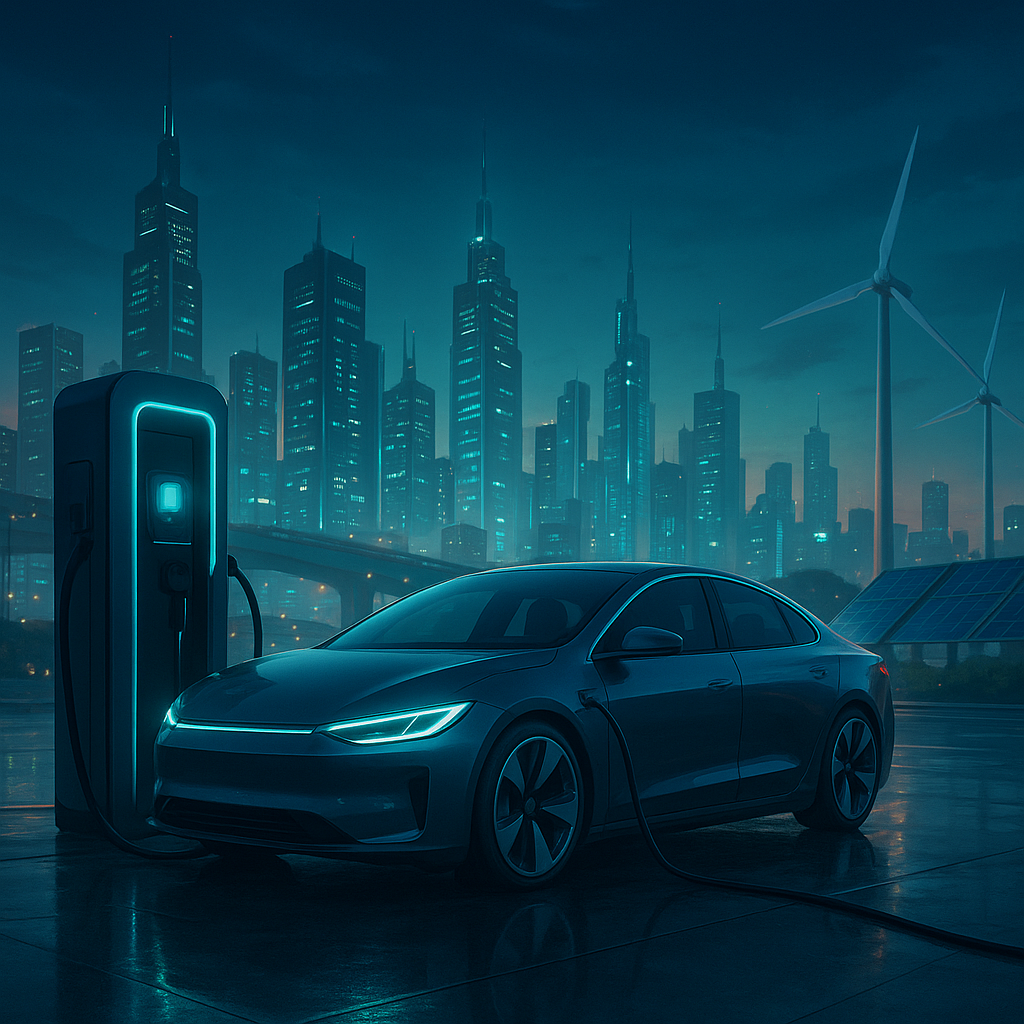
Technological breakthroughs have also reshaped the landscape. The deployment of next-generation solid-state batteries has revolutionized electric vehicle (EV) range and affordability. Hydrogen fuel infrastructure has expanded rapidly, especially in Asia and Europe, supporting decarbonization in heavy industry and transport sectors.
Meanwhile, digital tools leveraging AI and satellite monitoring have improved emissions tracking and climate risk modeling, enabling more precise policymaking and corporate accountability.
Noteworthy 2026 climate action highlights include:
- Global renewable energy capacity surpassed 5,000 GW, accounting for 40% of total electricity generation.
- Over 35 countries implemented carbon pricing mechanisms, with average prices exceeding $75 per tonne of CO2.
- Urban greening initiatives expanded, with more than 500 cities adopting climate-resilient infrastructure projects.
These strides demonstrate that concerted international cooperation and innovation can yield tangible progress. However, experts caution that the pace still lags behind what climate science demands.
Voices from the Frontlines: How Experts and Industries Are Responding
The climate action discourse in 2026 is marked by an unprecedented convergence of scientific insight, policy ambition, and corporate engagement. Leading experts emphasize that integrating climate resilience into economic recovery plans post-pandemic is critical. Dr. Arjun Patel, an economist specializing in sustainable development, argues that “failing to embed climate considerations into infrastructure investments risks locking in emissions for decades.”
Industries are undergoing transformation. The energy sector faces the dual challenge of retiring fossil assets while scaling renewables. Companies like Ørsted and Enel have become exemplars by converting coal plants to renewable hubs and investing heavily in offshore wind farms. Meanwhile, the finance sector channels trillions into green bonds and ESG funds, reshaping capital flows globally.
However, sectors such as agriculture and aviation remain difficult to decarbonize and require urgent innovation and regulatory support. The aviation industry, for instance, has increased investment in sustainable aviation fuels (SAFs) and electric aircraft prototypes, but widespread adoption is still years away.
“Climate action requires systemic change, not incremental tweaks,” asserts Cecilia López, CEO of the Global Climate Alliance.
The voices of indigenous communities and youth activists also continue to influence the climate narrative, demanding justice and equitable transitions that leave no one behind.
Looking Ahead: What Climate Action Must Prioritize to Succeed
As 2026 progresses, the imperative is clear: climate action must accelerate and deepen to avoid crossing irreversible thresholds. This entails not only cutting emissions but also enhancing adaptation and resilience, especially for the most vulnerable populations.
Key areas to watch include:
- Scaling Nature-Based Solutions: Forest conservation, soil restoration, and blue carbon projects offer cost-effective carbon sequestration.
- Advancing Circular Economy Models: Reducing waste and promoting resource efficiency will lower emissions embedded in production and consumption.
- Strengthening Global Climate Governance: Enhanced accountability, financing, and technology transfer mechanisms are crucial.
- Mobilizing Youth and Community Leadership: Empowering local actions and inclusive decision-making drives sustainable outcomes.
For individuals and organizations seeking to engage, Taking Climate Action Seriously: A Practical Guide for Beginners offers actionable steps to contribute meaningfully. Meanwhile, policymakers can benefit from insights in Rethinking Climate Action: Strategies for Urgent and Lasting Impact, which outlines innovative frameworks for systemic change.
“The choices we make today will define the legacy we leave for future generations,” reflects Dr. Madsen, underscoring the weight of the moment.
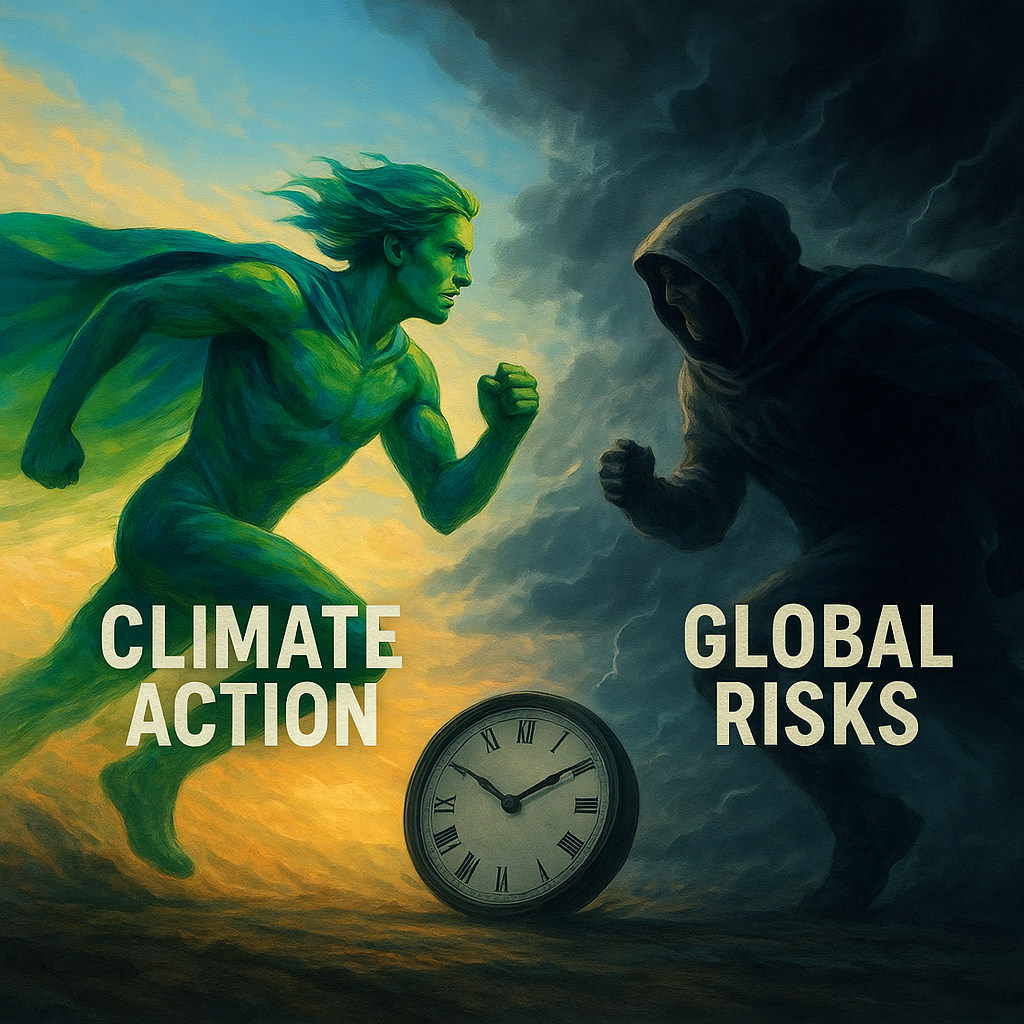
The path forward requires bold leadership, robust collaboration, and unwavering commitment. With rising global risks casting a long shadow, climate action must not only keep pace but surge ahead to secure a sustainable, equitable future.