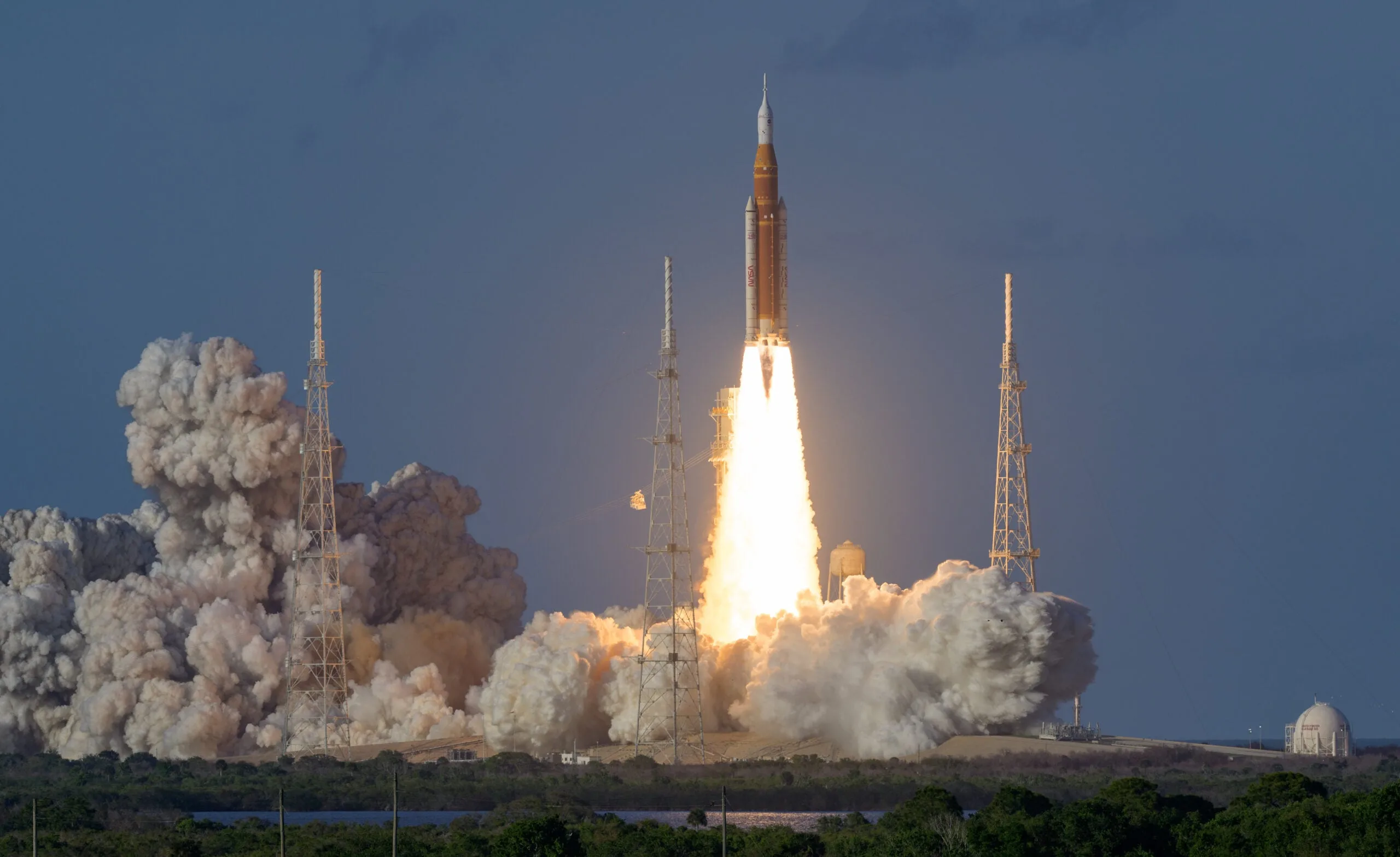

Igniting Curiosity: The First Steps Toward Space Exploration
On a crisp morning in April 2026, a group of aspiring space enthusiasts gathered at the newly inaugurated International Space Exploration Hub in Houston, Texas. Their goal was clear yet ambitious: to embark on a journey toward contributing to humanity’s next giant leap beyond Earth. This scene encapsulates the growing enthusiasm around space exploration, a field once reserved for a handful of elite astronauts and government agencies. Today, the barriers to entry are shifting, thanks to technological advances, private sector involvement, and expanded educational opportunities.
Space exploration, with its blend of science, technology, and sheer human ambition, invites individuals and organizations alike to participate. However, the pathway to meaningful involvement requires not just passion but a clear understanding of the foundational steps. Whether you are a student, engineer, entrepreneur, or policymaker, knowing how to start in this domain is essential. This article unpacks the multifaceted journey toward space exploration, offering an expert-level guide grounded in the latest 2026 developments.
From Sputnik to Starships: The Evolution that Made Space Accessible
The history of space exploration is a testament to relentless innovation and international competition. When the Soviet Union launched Sputnik in 1957, it ignited the space race that defined Cold War geopolitics. NASA’s Apollo program followed, culminating in the 1969 Moon landing, a milestone etched into human memory. But these early efforts were dominated by government agencies with enormous budgets and political will.
Fast forward to the 2020s and beyond, and the landscape has transformed dramatically. The rise of commercial space enterprises such as SpaceX, Blue Origin, and Rocket Lab has democratized access to space. These companies have driven down launch costs through reusable rocket technology and streamlined operations. According to industry estimates, launch costs have decreased by over 60% since 2020, enabling smaller players to consider space missions.
Moreover, international collaboration has expanded. The Artemis Accords, signed by over 20 countries, have established frameworks for responsible space exploration and resource sharing. Educational institutions worldwide have integrated space sciences into curricula, nurturing a new generation of space professionals. TheOmniBuzz’s feature Charting the Next Cosmic Frontier explores how these shifts are transforming humanity’s role in the cosmos.
Building Blocks: Essential Knowledge and Skills for Aspiring Space Explorers
Getting started with space exploration requires a robust foundation in STEM disciplines—science, technology, engineering, and mathematics. However, the field’s complexity means that interdisciplinary skills are equally valuable. Here are the critical areas to master:
- Aerospace Engineering: Understanding spacecraft design, propulsion systems, and orbital mechanics is fundamental. Universities increasingly offer specialized programs in this area.
- Computer Science and Software Development: Space missions rely heavily on software for navigation, communication, and data analysis. Skills in programming languages like Python, C++, and MATLAB are indispensable.
- Astrophysics and Planetary Science: Knowledge of celestial bodies, space environments, and physical processes helps frame mission objectives and research questions.
- Data Analytics and Remote Sensing: Space missions generate vast datasets. Proficiency in analyzing large-scale data via AI and machine learning techniques is in high demand.
- Project Management and Systems Engineering: Coordinating complex missions requires skills in managing multidisciplinary teams, budgets, and timelines.
Beyond technical expertise, hands-on experience is critical. Participating in internships, research projects, and amateur space initiatives provides practical insights. For beginners, TheOmniBuzz’s Unlocking the Cosmos: A Beginner’s Guide to Space Exploration offers actionable advice on entry-level opportunities and educational pathways.
“The future of space exploration will be built by those who combine passion with rigorous skills and a collaborative mindset.” — Dr. Elena Marquez, Astrophysicist and Educator
2026 Landscape: Current Developments Opening Doors to Space
The year 2026 is marked by significant milestones that redefine how individuals and organizations can engage with space exploration. Among the most notable are:
- Commercial Space Stations: The launch and operationalization of private space habitats, such as Orbital Nexus Station by StellarCorp, have created new platforms for research and tourism.
- Space Resource Utilization: Missions targeting asteroid mining and lunar resource extraction are transitioning from conceptual to demonstrative phases, with companies like Helios Mining Corp leading the charge.
- Expanded Educational Platforms: Virtual reality (VR) and augmented reality (AR) technologies now enable immersive training and simulation experiences accessible globally.
- International Partnerships: New alliances, such as the Lunar Gateway Partnership Initiative, foster collaborative missions involving emerging space nations.
- Regulatory Frameworks: The United Nations’ updated Outer Space Treaty protocols emphasize sustainable and equitable space exploration practices.
In addition, the proliferation of small satellite (smallsat) constellations has lowered the cost and complexity of entering the space arena. Startups and academic institutions can now deploy CubeSats for scientific experiments and communication services. This trend is supported by advances in miniaturized sensors and propulsion systems.
“Accessibility is no longer a futuristic concept; it is a present reality thanks to technological breakthroughs and policy evolution.” — Rajesh Kumar, Space Policy Analyst
These developments have been analyzed in depth in the recent TheOmniBuzz article 2026 Trends in Space Exploration, which highlights how these factors collectively lower entry barriers.
Learning from Leaders: Case Studies of Successful New Entrants
Examining real-world examples offers clarity on how newcomers have successfully integrated into the space ecosystem. Three illustrative case studies are:
- AstraNova University’s CubeSat Program: A consortium of engineering students developed and launched a CubeSat to study Earth’s magnetosphere. The program combined academic research with industry mentorship, culminating in a successful orbit insertion in late 2025.
- Vega Aerospace’s Lunar Rover Initiative: A startup founded by former aerospace engineers designed a compact, low-cost lunar rover prototype. By securing a contract through NASA’s Commercial Lunar Payload Services (CLPS) program, Vega Aerospace has plans for a 2027 lunar mission.
- Global Space Fellowship: An international NGO that organizes collaborative microgravity experiments aboard commercial space stations. Their platform enables scientists worldwide to conduct research previously limited to government agencies.
These cases demonstrate that strategic partnerships, leveraging government programs, and interdisciplinary collaboration are key success factors. They also underscore the importance of aligning goals with existing space infrastructure and regulatory frameworks.
For those seeking detailed practical guidance, TheOmniBuzz’s How to Embark on Space Exploration: A Practical Guide for Aspiring Pioneers offers step-by-step advice tailored to various entry points.
Preparing for Tomorrow: The Future of Space Exploration Engagement
Looking ahead, the space sector is poised for even greater transformation. Emerging technologies such as nuclear propulsion, artificial intelligence-driven autonomous spacecraft, and in-situ resource utilization will redefine mission profiles and opportunities. For aspiring explorers, staying informed and adaptable is crucial.
Key considerations for future engagement include:
- Continuous Learning: Space technologies evolve rapidly. Professionals must engage in lifelong education and skill upgrading.
- Networking and Collaboration: Building relationships with industry, academia, and governmental bodies will open doors.
- Ethical and Sustainable Practices: Responsible stewardship of space environments is becoming a priority.
- Participation in Policy Dialogues: Influencing and understanding regulatory trends ensures alignment with global standards.
As Dr. Marquez emphasized, combining passion with rigorous skills and collaboration will define the space explorers of the future. The momentum of 2026’s breakthroughs offers an unprecedented window for new entrants to contribute meaningfully.
In summary, getting started with space exploration involves a deliberate blend of education, practical experience, awareness of current industry shifts, and forward-looking adaptability. By leveraging the wealth of resources and opportunities now available, individuals and organizations can join humanity’s expanding cosmic journey with confidence and purpose.
For further insights into mastering the challenges of space exploration, readers can explore Mastering the Final Frontier: Expert Tips for Successful Space Exploration, which offers advanced strategies from leading professionals.