Launching Beyond the Horizon: A New Era Begins
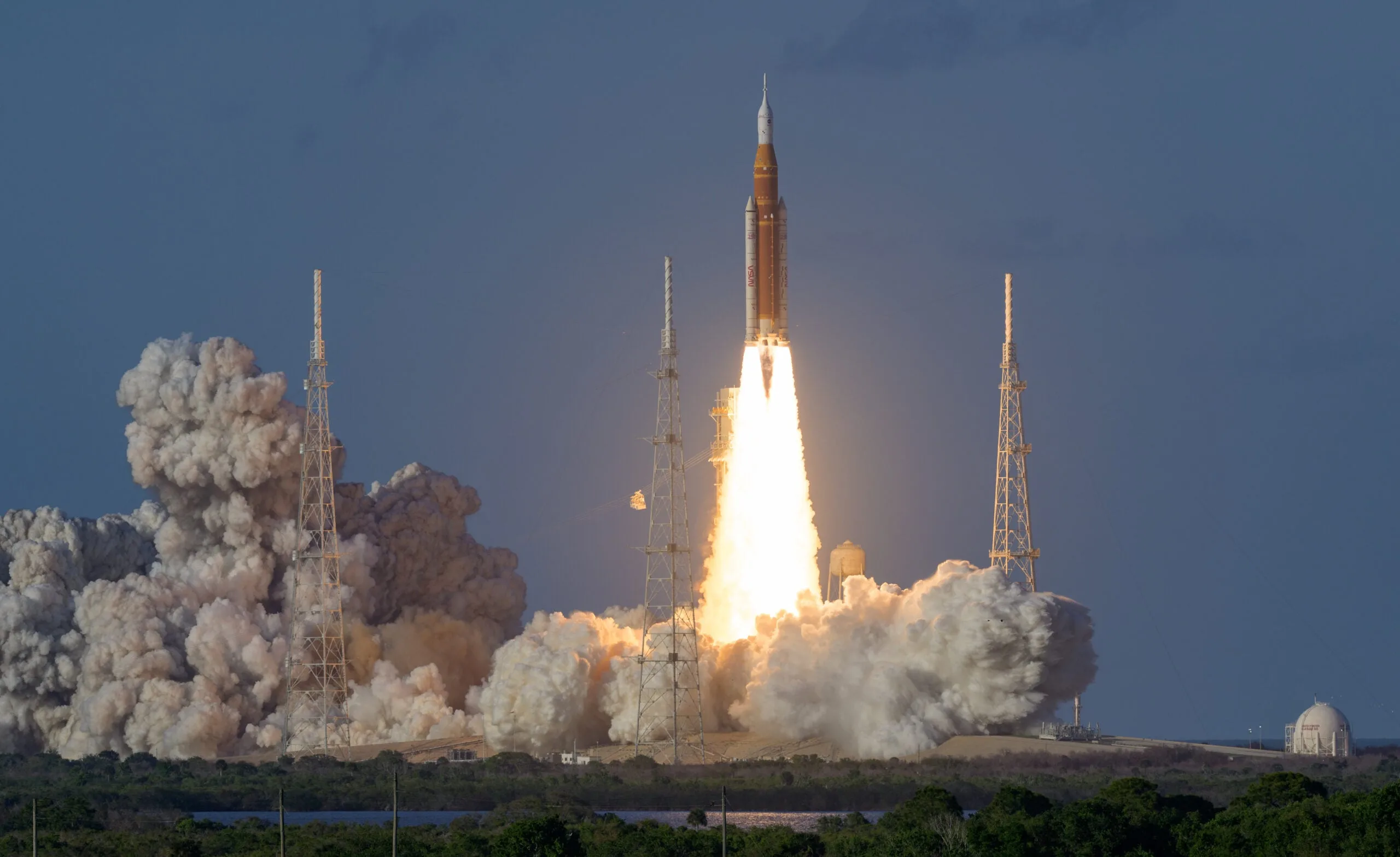
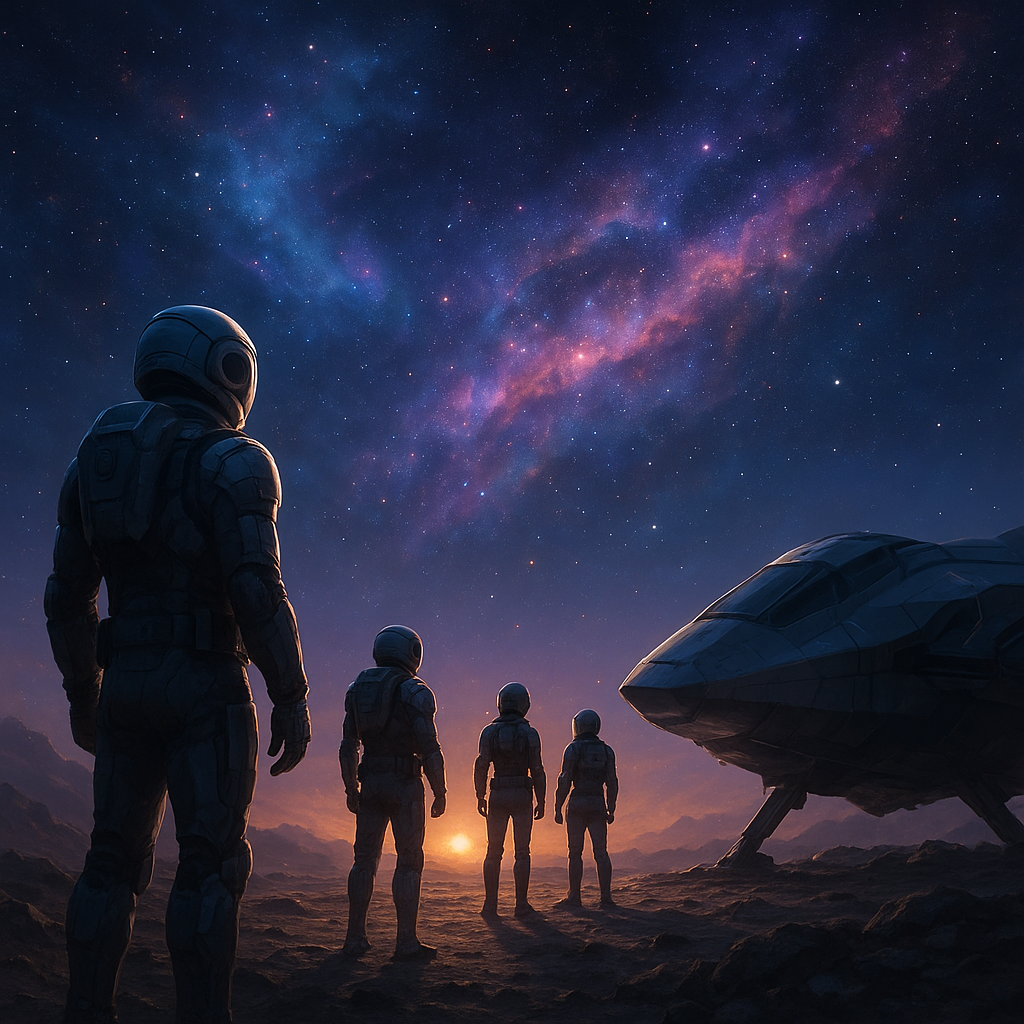
On a clear night in March 2026, the Artemis VII mission successfully touched down on the lunar south pole, marking the first human presence there. This historic achievement encapsulates decades of scientific ambition and technological innovation. Since the dawn of the Space Age in 1957, humanity’s gaze has steadily shifted outward—from the first Sputnik signals to the establishment of permanent bases on the Moon and Mars. Today, space exploration stands at a crossroads, driven by a blend of governmental initiatives and burgeoning private sector ventures, promising to redefine our place in the cosmos.
The Artemis VII landing site, equipped with autonomous mining units, represents more than a touchdown; it signifies a leap toward sustainable off-Earth habitation. This mission is a testament to the collaborative efforts of NASA, ESA, JAXA, and private companies like Starship Dynamics and OrbitalX. Through decades of incremental progress, the dream of becoming a multiplanetary species is no longer science fiction but an impending reality.
“The Moon is not just a stepping stone; it is becoming a foundation for humanity’s future in space,” asserted Dr. Lila Hernandez, chief scientist of the Lunar Gateway Project.
Tracing the Trajectory: From Sputnik to Starships
The modern narrative of space exploration began with the Soviet Union’s Sputnik 1 in 1957, the first artificial satellite to orbit Earth. This ignited the Space Race, culminating in the Apollo 11 Moon landing in 1969. The Cold War-driven urgency gave way to international cooperation in the latter half of the 20th century, highlighted by the International Space Station (ISS), operational since 2000.
However, the post-ISS era saw a paradigm shift. Government-led programs faced budget cuts and shifting priorities, paving the way for private enterprises to play a pivotal role. Companies like SpaceX, Blue Origin, and newcomer Starship Dynamics have revolutionized launch costs and spacecraft reusability. The 2020s witnessed a surge in commercial satellite constellations, space tourism, and deep space probe missions.
This evolution reflects broader technological advances such as AI-driven navigation, advanced propulsion systems like nuclear thermal engines, and breakthroughs in materials science enabling lighter, more durable spacecraft. These innovations have set the stage for ambitious projects previously deemed unattainable.
Data-Driven Insights: The Economics and Science of Space in 2026
Space exploration today is underpinned by sophisticated analytics and a diversified funding landscape. According to recent figures from the Space Policy Institute, global space spending reached $95 billion in 2025, with commercial enterprises contributing approximately 45% of this total. Governments continue to invest heavily, with NASA’s budget at $32 billion and China’s CNSA at $25 billion, emphasizing lunar and Martian exploration.
Scientific returns are equally impressive. The Artemis VII mission delivered over 300 kilograms of lunar regolith for analysis, aiding in understanding the Moon’s volatile resources. Concurrently, the Mars Sample Return program has successfully brought back the first Martian rock samples, opening new avenues in astrobiology.
Comparing propulsion technologies, nuclear thermal rockets have cut transit times to Mars from the traditional 9 months to around 6 months, improving mission safety and cost-effectiveness. Solar sail experiments, now operational beyond the asteroid belt, demonstrate potential for ultra-long-range probes.
- Global space missions launched in 2025: 142
- Private sector share of launches: 58%
- Estimated value of space-derived materials mined: $1.2 billion
- Number of astronauts in orbit simultaneously: 24
- Length of continuous human presence in space: 26 years (ISS and Lunar Gateway combined)
“The fusion of public and private capabilities is accelerating space exploration at an unprecedented pace,” noted Rajiv Patel, aerospace analyst at the Space Policy Institute.
Breakthroughs and Challenges: Space Exploration in 2026
The year 2026 marks a pivotal moment with multiple breakthroughs reshaping space exploration. The Lunar Gateway has become fully operational, serving as a staging ground for deep space missions. Its modular design allows international partners to contribute specialized labs and habitation modules. This has facilitated longer human missions beyond low Earth orbit.
Private companies have launched the first commercial space habitats in orbit, offering microgravity research opportunities and space tourism experiences. However, these advances come with challenges: space debris mitigation remains critical as orbital congestion increases. Efforts such as active debris removal satellites have seen limited success, and international regulatory frameworks lag behind the rapid commercialization of space.
Bioengineering experiments in orbit have yielded promising results, including enhanced plant growth under microgravity conditions, vital for future life support systems. Yet, radiation exposure continues to be a formidable obstacle for crewed missions beyond Earth’s magnetosphere.
In addition, geopolitical tensions influence collaboration levels. While the Artemis Accords promote peaceful exploration, competitive dynamics between major spacefaring nations persist, impacting data sharing and joint projects.
Voices from the Field: Expert Perspectives on Space’s Future
Leading experts emphasize the transformative potential of space exploration beyond scientific discovery. Dr. Mei-Ling Zhao, director of the Mars Colonization Initiative, highlights the societal impact: “Establishing a foothold on Mars will catalyze new technologies and inspire generations to pursue STEM fields.” Likewise, policy strategist Elena Novak warns, “We must develop robust governance frameworks to prevent conflict and ensure equitable access to space resources.”
Industry leaders like Starship Dynamics’ CEO, Tomas Alvarez, advocate for increased private sector participation: “Our innovations in propulsion and habitat design are unlocking possibilities that governments alone cannot achieve.” The integration of AI and robotics is also pivotal in reducing human risk and operational costs, as echoed by NASA’s chief robotics engineer, Dr. Alan Kim.
The Omniverse of space exploration extends to cultural and ethical dimensions. Anthropologist Dr. Sofia Ramirez discusses the importance of preserving humanity’s cultural heritage while expanding beyond Earth: “We must consider the narratives we build, avoiding a colonial mindset as we venture into new worlds.”
Looking Upward: What to Watch in Space Exploration’s Horizon
The coming decade promises extraordinary developments. Key areas to monitor include:
- Interplanetary Infrastructure: Expansion of fuel depots, mining operations, and manufacturing facilities on the Moon and Mars will enhance mission sustainability.
- Advanced Propulsion: Breakthroughs in fusion propulsion and antimatter research could revolutionize travel times to outer planets.
- Space Economy: The maturation of space-based industries, including asteroid mining and space-based solar power, will create new economic paradigms.
- Human Health in Space: Innovations in counteracting radiation and muscle atrophy will support longer missions.
- International Cooperation: Strengthening treaties to govern space traffic management and resource sharing will be crucial.
Experts recommend fostering multidisciplinary collaboration and public engagement to sustain momentum. Integration with related sectors like advanced AI, quantum communications, and Earth observation technologies will further enrich space exploration’s impact. For readers interested in how exploration trends intersect with travel and connectivity innovations, this article offers valuable insights.
For a broader scientific context, you might enjoy exploring Science in 2026: Breakthroughs, Challenges, and the Path Forward on TheOmniBuzz.