Introduction: The Dawn of a New Era in Space Exploration
The year 2026 marks an unprecedented period in the history of space exploration. What began as a scientific curiosity and national competition has evolved into a multifaceted global endeavor, intertwining technological innovation, commercial interests, and international collaboration. The momentum that has been building over the past decade is now accelerating, propelling humanity toward deeper cosmic frontiers and redefining our understanding of the universe.
In this comprehensive article, we explore the most significant trends shaping space exploration in 2026, from renewed lunar ambitions to the rise of commercial space enterprises and the integration of advanced AI-driven technologies. Join us as we chart the trajectory of humanity’s quest beyond Earth, revealing how these developments impact not only science and technology but also culture, economy, and society at large.
1. Renewed Lunar Exploration and Sustainable Presence
After decades of relative dormancy following the Apollo missions, the Moon has reclaimed its position at the forefront of space exploration. In 2026, multiple missions aim not only to visit but to establish a sustainable human presence on the lunar surface.
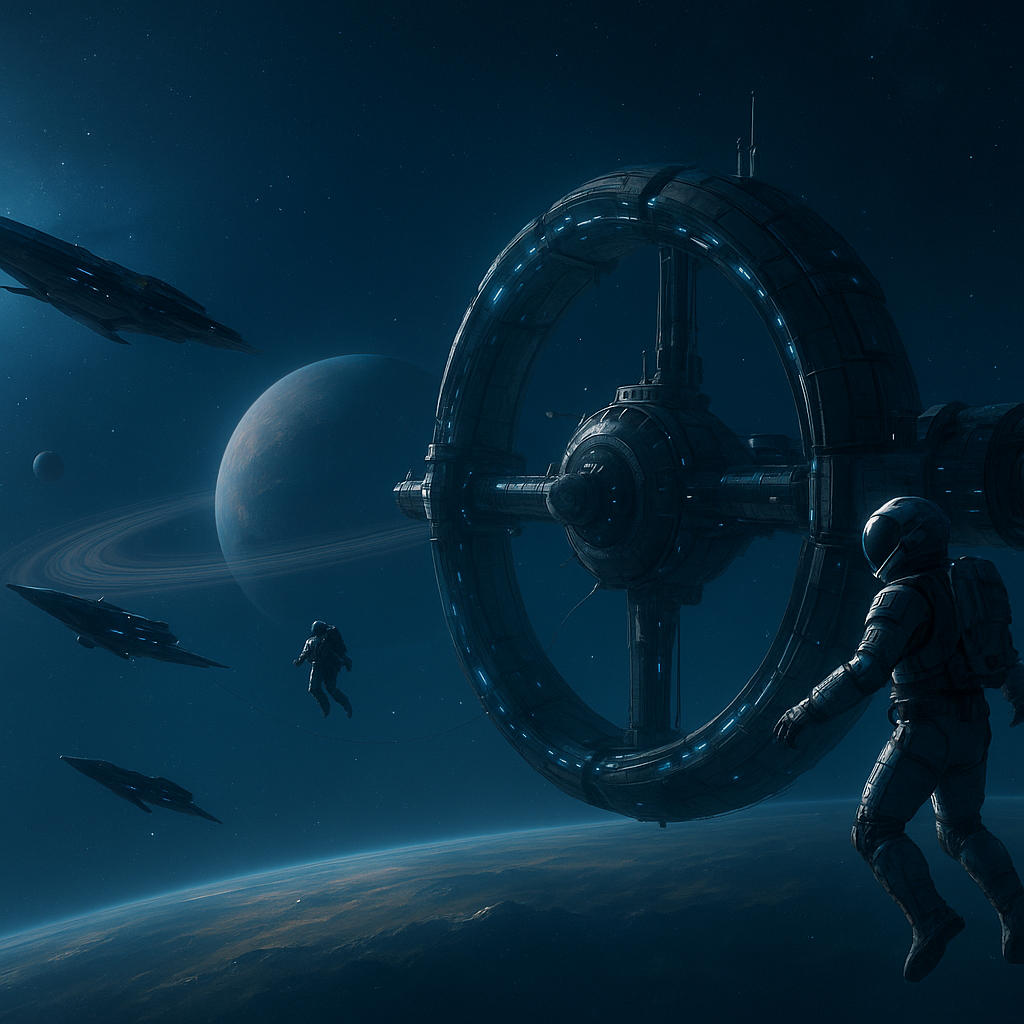
The international Lunar Gateway, a collaborative space station orbiting the Moon, has become operational, serving as a staging ground for crewed missions and scientific research. The Gateway enables astronauts to stay longer in lunar orbit and facilitates surface expeditions with more efficiency and safety.
Crucially, efforts focus on developing lunar habitats that utilize in-situ resource utilization (ISRU) technologies. Extracting water ice from lunar poles to produce oxygen and hydrogen fuel is a key objective, reducing dependence on Earth resupplies and paving the way for long-term settlement. This approach aligns with the broader vision of the Moon serving as a stepping stone for missions to Mars and beyond.
These developments evoke the themes discussed in Charting the Next Cosmic Frontier: How Space Exploration is Transforming Humanity, where the transformative impact of establishing extraterrestrial bases is emphasized as a catalyst for scientific breakthroughs and new societal paradigms.
Key Lunar Missions in 2026
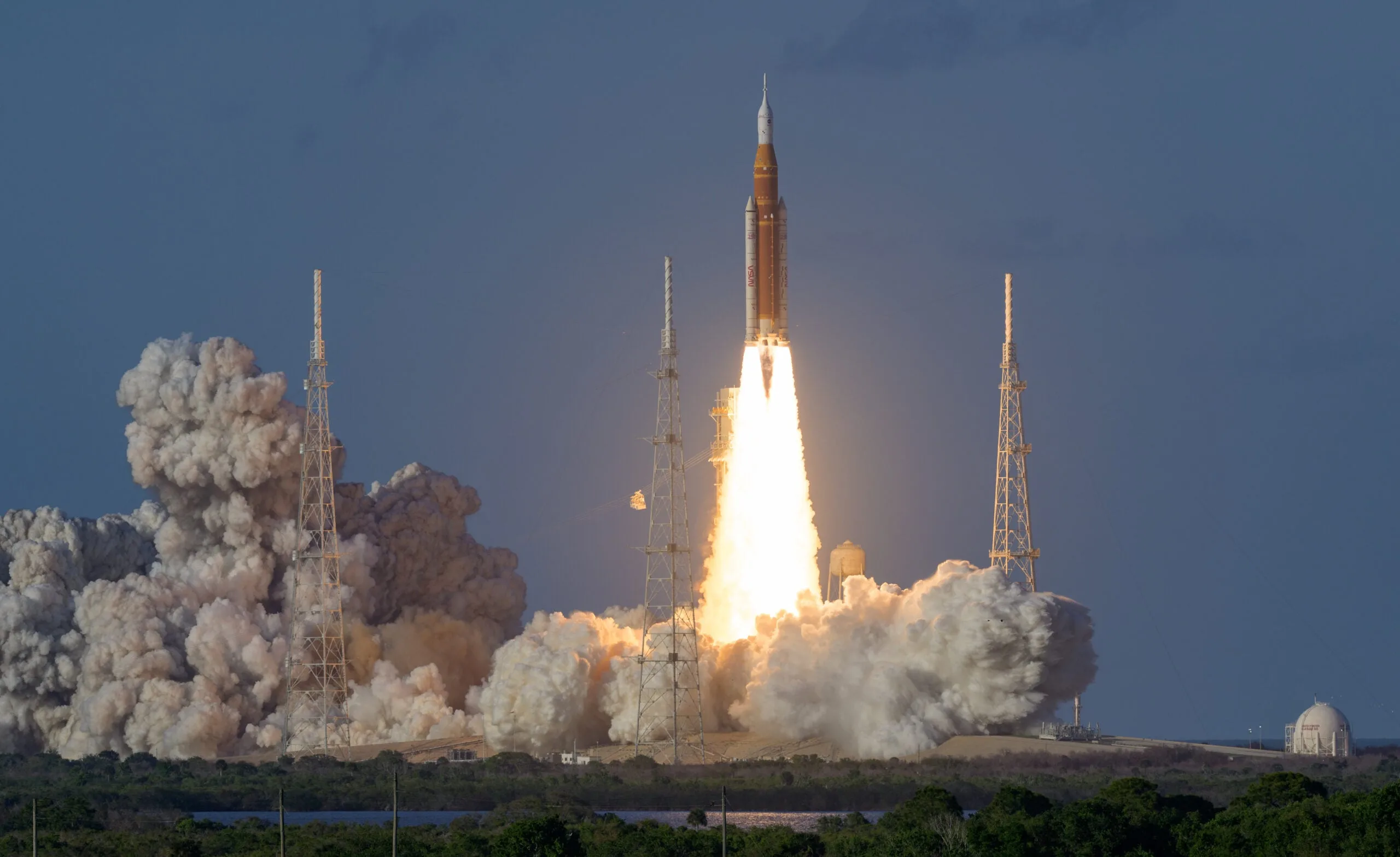
- Artemis Program Continuation: NASA’s Artemis missions continue to deliver, with Artemis V scheduled to land astronauts near the lunar south pole, focusing on geological studies and ISRU demonstrations.
- International Collaborations: Space agencies from Europe, Japan, China, and Russia contribute to joint lunar research projects, leveraging diverse expertise and resources.
- Commercial Lunar Ventures: Private companies are deploying robotic landers and rovers to support scientific and exploratory activities, often in partnership with governmental entities.
2. Mars Missions: From Exploration to Preparation for Colonization
Mars remains the ultimate ambition for human spaceflight. The year 2026 is critical for advancing Mars exploration from robotic reconnaissance to preparatory steps for human colonization.
Robotic missions continue to analyze the Martian surface, atmosphere, and subsurface, searching for signs of past life and assessing resources like water ice. The ongoing success of rovers such as Perseverance, and newer missions launched in recent years, provides invaluable data for future crewed expeditions.
More significantly, 2026 sees the deployment of advanced Mars sample-return missions. These complex operations aim to bring Martian soil and rock samples back to Earth for detailed laboratory study, offering unprecedented insights into the planet’s geology and potential habitability.
Meanwhile, space agencies and private entities refine technologies critical for human survival on Mars. Life support systems, radiation shielding, habitats, and propulsion methods are undergoing rigorous testing in analog environments on Earth and in lunar orbit.
As detailed in Unlocking the Cosmos: A Beginner’s Guide to Space Exploration, understanding the challenges of long-duration space missions is essential for aspiring pioneers who dream of becoming interplanetary explorers.
Emerging Technologies Supporting Mars Exploration
- Advanced Propulsion: Innovations such as nuclear thermal and electric propulsion promise to reduce travel time and increase payload capacity, mitigating risks associated with long missions.
- Autonomous Systems: AI-driven robotics assist with habitat construction, resource extraction, and scientific experiments, ensuring operational efficiency even in communication delays.
- Closed-Loop Life Support: Recycling air, water, and waste to maintain a sustainable environment within spacecraft and habitats is a research priority.
3. Commercial Spaceflight: Democratizing Access to Space
The commercialization of space has reached new heights in 2026, transforming spaceflight from an exclusive government domain to a vibrant industry accessible to a broader range of participants.
Space tourism is expanding beyond suborbital flights to include orbital stays and lunar flybys. Companies offer tailored experiences, from scientific missions involving citizen scientists to luxury orbital hotels. While costs remain high, competition and technological advances continue to drive affordability.
Satellite deployment services have also flourished, with constellations enhancing global communications, Earth observation, and scientific data collection. This proliferation supports not only commercial interests but also environmental monitoring and disaster response efforts worldwide.
Moreover, asteroid mining ventures are progressing from theoretical concepts to experimental operations. Extracting rare minerals from near-Earth objects could revolutionize supply chains and support space infrastructure construction.
The integration of commercial entities with government missions is increasingly seamless, exemplifying a new paradigm where public-private partnerships accelerate exploration goals.
Notable Commercial Developments in 2026
- Lunar Tourism: Private companies conduct orbital hotel stays and plan crewed lunar orbit missions, offering unique perspectives of Earth and the Moon.
- Reusable Launch Vehicles: Next-generation rockets improve turnaround times and payload capacities, reducing costs and environmental impact.
- Space Logistics: In-orbit refueling and cargo transfer services support sustained missions and satellite servicing.
4. Space Science and Astrobiology: Expanding Our Cosmic Understanding
Scientific inquiry remains a cornerstone of space exploration, with 2026 witnessing remarkable advances in astronomy, planetary science, and astrobiology.
New space telescopes equipped with cutting-edge sensors operate across the electromagnetic spectrum, enabling detailed observations of exoplanets, star formation, black holes, and cosmic phenomena. These instruments build upon the legacies of Hubble, James Webb, and other observatories.
Astrobiology endeavors intensify, focusing on detecting biosignatures and understanding the conditions that foster life. The discovery of extremophiles on Earth inspires the search for life in seemingly inhospitable environments on Mars, icy moons like Europa and Enceladus, and even in the atmospheres of distant exoplanets.
Collaborative international research programs leverage data from robotic explorers, telescopes, and laboratory experiments to piece together the story of life’s origin and distribution in the universe.
Highlights in Space Science for 2026
- Exoplanet Characterization: Spectroscopic analysis reveals atmospheric compositions, hinting at habitability or signs of biological activity.
- Planetary Sample Analysis: Returned samples from Mars and asteroids provide material for direct study, enhancing understanding of planetary evolution.
- Interdisciplinary Research: Combining geology, biology, chemistry, and physics to interpret data and refine models of planetary environments.
5. International Cooperation and Governance in Space
The complexity and cost of modern space missions necessitate unprecedented cooperation among nations. In 2026, the geopolitical landscape of space exploration reflects a balance between competition and collaboration.
Multilateral agreements govern the use of space resources, orbital traffic management, and planetary protection protocols. Forums such as the United Nations Committee on the Peaceful Uses of Outer Space (COPUOS) play critical roles in fostering dialogue and consensus.
Joint missions, shared infrastructure like the Lunar Gateway, and coordinated scientific campaigns exemplify this cooperative spirit. These efforts help prevent duplication, reduce costs, and enhance scientific return.
Nevertheless, challenges remain in addressing emerging issues such as space debris mitigation, equitable access to space resources, and the integration of new spacefaring nations.
Governance Trends to Watch
- Space Traffic Coordination: Implementation of tracking systems and communication protocols to manage crowded orbits.
- Resource Utilization Frameworks: Developing legal and ethical guidelines for mining and using extraterrestrial materials.
- Inclusivity Initiatives: Encouraging participation from developing countries and fostering STEM education globally.
6. Technological Innovations Driving Exploration Forward
The rapid advancement of technology underpins every aspect of space exploration in 2026. Some of the most impactful innovations include:
- Artificial Intelligence and Machine Learning: Autonomous systems manage spacecraft operations, analyze vast datasets, and assist decision-making under communication delays.
- Advanced Materials: Lightweight, radiation-resistant composites improve spacecraft durability and astronaut safety.
- Energy Solutions: Compact nuclear reactors and enhanced solar arrays provide reliable power for long-duration missions.
- 3D Printing and In-Situ Manufacturing: Fabrication of tools, spare parts, and habitat components directly in space or on planetary surfaces reduces logistical constraints.
These technologies not only enhance mission capabilities but also inspire innovations with terrestrial applications, demonstrating the symbiotic relationship between space exploration and everyday life.
7. Educational and Cultural Impact
Space exploration continues to captivate the imagination of people worldwide, inspiring education, art, and culture. In 2026, outreach programs and virtual experiences bring space closer to the public.
Educational platforms leverage real mission data and simulations, enabling students to participate in authentic scientific inquiry. Citizen science projects invite enthusiasts to contribute to data analysis and discovery.
Cultural expressions—films, literature, visual arts—reflect evolving narratives about humanity’s place in the cosmos. These stories foster a sense of global unity and shared destiny, reinforcing the importance of peaceful and sustainable exploration.
For those eager to join this exciting journey, How to Embark on Space Exploration: A Practical Guide for Aspiring Pioneers offers valuable insights into pathways for involvement, from education to career opportunities.
Conclusion: Embracing the Cosmic Future
The trends observed in 2026 illustrate a dynamic and hopeful phase for space exploration. Renewed lunar missions, ambitious Mars projects, flourishing commercial activities, scientific breakthroughs, international cooperation, and technological innovation collectively signify humanity’s readiness to embrace its cosmic future.
As we look ahead, the challenges of sustainability, governance, and inclusivity must be addressed to ensure that space remains a realm of opportunity and discovery for all. The unfolding story of exploration is not just about reaching new frontiers but about transforming our understanding of life, society, and the universe.
For readers interested in a broader perspective on how space exploration is reshaping humanity’s destiny, we recommend Charting the Next Cosmic Frontier: How Space Exploration is Transforming Humanity, which delves deeper into the societal and philosophical implications of these ventures.
Space exploration in 2026 is more than a field of science and technology—it is a testament to human curiosity, resilience, and aspiration. The next giant leap is underway, inviting everyone to be part of this extraordinary voyage.