
The Dawn of a New Era: Why Space Exploration Beckons Today
Imagine standing beneath a starry sky, the vastness of the cosmos stretching endlessly above. Since the mid-20th century, humanity’s gaze has turned upward with increasing intensity, transforming curiosity into concrete ventures beyond Earth. By 2026, space exploration is not just the domain of governments but a growing arena for private individuals, entrepreneurs, and students driven by the quest to understand and possibly inhabit the final frontier.
What defines this moment is the convergence of technological advances, reduced launch costs, and new scientific opportunities. For example, the cost per kilogram to low Earth orbit has dropped by nearly 60% since 2020, largely due to reusable rocket technology pioneered by companies like SpaceX and Blue Origin. Meanwhile, international collaborations such as the Lunar Gateway and Artemis program signify renewed commitments to sustainable lunar and Martian presence.
As the world moves beyond traditional spacefaring nations, emerging players and private ventures are reshaping the landscape. This article offers an expert-level, step-by-step guide on how to get started with space exploration today, whether as a professional, enthusiast, or investor.
"The accessibility of space technology today is unprecedented — what was once a government monopoly is now a multidisciplinary playground for innovators worldwide." — Dr. Elena Ramirez, Astrophysicist and Space Policy Expert
Tracing the Trajectory: From Sputnik to Starship
Understanding how to embark on space exploration requires context. The journey began in 1957 when the Soviet Union launched Sputnik 1, the first artificial satellite. This milestone ignited the space race, culminating in the 1969 Apollo 11 moon landing, a feat that captured global imagination.
In the decades that followed, space exploration expanded into robotic probes, space stations, and interplanetary missions. The International Space Station (ISS), operational since 2000, became a symbol of global cooperation and scientific advancement. However, the 2010s and early 2020s witnessed a paradigm shift with the rise of commercial spaceflight and reusable launch systems.
Key milestones shaping today’s environment include:
- 2012: SpaceX’s Dragon becomes the first commercial spacecraft to dock with the ISS.
- 2021: NASA’s Perseverance rover lands on Mars, equipped with a helicopter drone, Ingenuity.
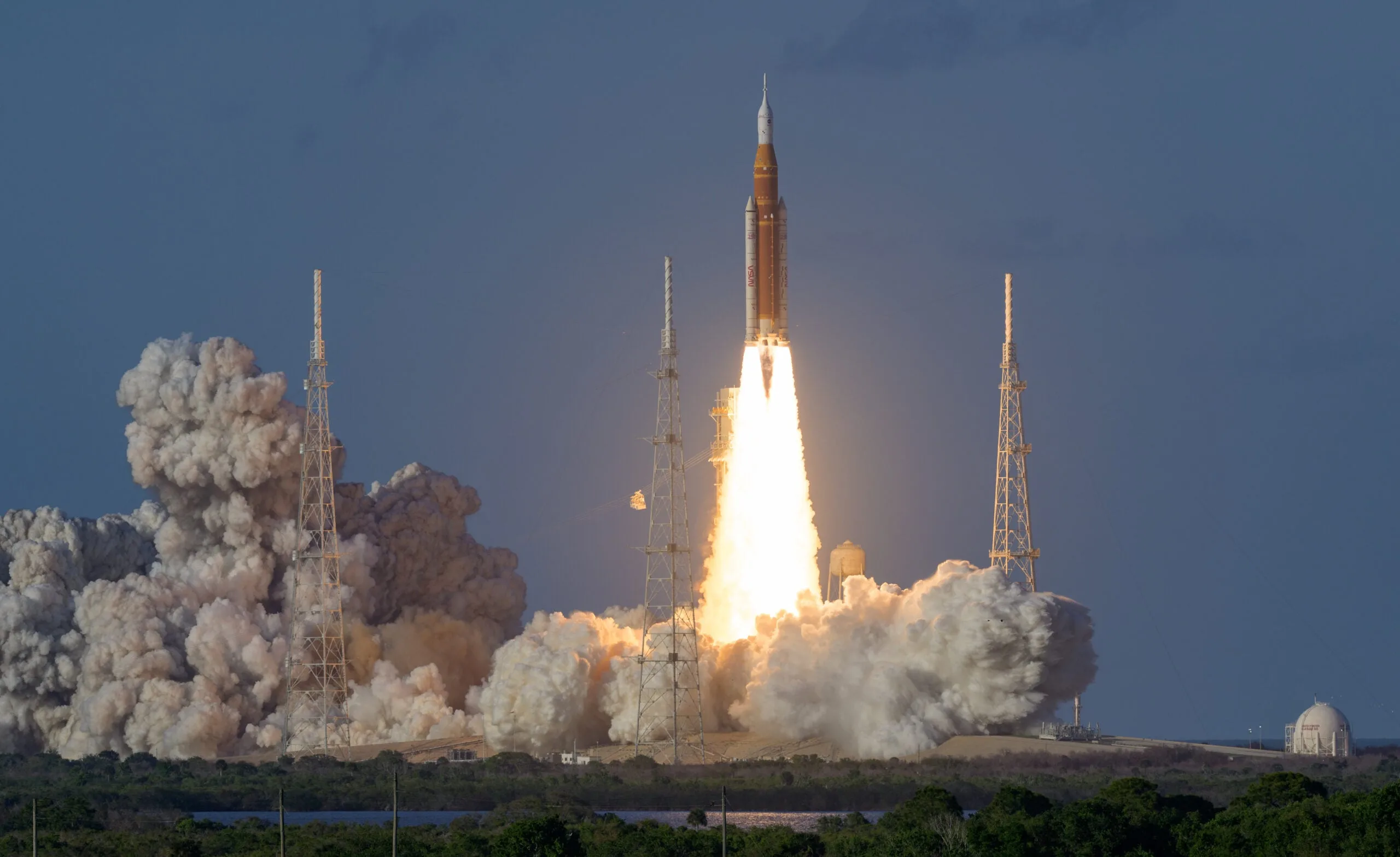
- 2024: Artemis I completes the first uncrewed flight of NASA’s SLS rocket around the Moon.
- 2025: The Lunar Gateway begins assembly, serving as a staging point for crewed lunar missions.
These developments reveal not only technological progress but also the shifting political and economic motives behind exploration. Countries like China and the UAE have launched ambitious space programs, while private companies have begun offering suborbital and orbital tourism.
"Space exploration is no longer a race but a collaborative expedition. The barriers to entry are lowering, inviting a new generation of explorers and entrepreneurs." — Prof. Marcus Lee, Space Engineering Specialist
Mapping the Path Forward: Core Steps to Begin Space Exploration
Getting started with space exploration in 2026 involves a multifaceted approach. Whether you aim to become a space scientist, engineer, entrepreneur, or citizen explorer, the following foundational steps are critical.
1. Acquire Relevant Education and Skills
Space exploration demands a solid grasp of STEM fields — science, technology, engineering, and mathematics. Degrees in aerospace engineering, astrophysics, planetary science, or computer science remain valuable, but interdisciplinary knowledge in robotics, AI, and materials science is increasingly important.
Many universities now offer specialized space studies programs. Online platforms provide courses on satellite design, orbital mechanics, and astrobiology, lowering barriers for self-learners. Hands-on experience through internships at agencies like NASA, ESA, or private firms such as Rocket Lab and Relativity Space can be transformative.
2. Engage with the Space Community and Networks
Building connections is essential. Joining professional organizations such as the American Institute of Aeronautics and Astronautics (AIAA) or the International Astronautical Federation (IAF) opens doors to conferences, workshops, and collaborations. Online communities and hackathons foster innovation and collective problem-solving on challenges ranging from propulsion to space habitat design.
3. Participate in Citizen Science and Amateur Projects
For enthusiasts without formal training, citizen science projects provide a practical avenue. Initiatives like CubeSat launches, telescope networks, and crowd-sourced data analysis enable meaningful contributions. Organizations such as the Planetary Society facilitate participation in advocacy and experimental missions.
4. Understand Regulatory and Financial Frameworks
Space activities are subject to complex international treaties and national regulations covering launch licenses, frequency allocation, and orbital debris mitigation. Familiarity with these frameworks is crucial, especially for startups and investors. Funding avenues include government grants, venture capital focused on space technologies, and crowdfunding campaigns.
5. Explore Emerging Technologies and Startups
2026 sees rapid innovation in propulsion, in-situ resource utilization, and space manufacturing. Individuals and companies exploring these frontiers have opportunities to shape future missions. Keeping abreast of developments in satellite mega-constellations, lunar mining, and space-based solar power can inspire entrepreneurial ventures.
2026 Highlights: New Frontiers and Opportunities in Space Exploration
The past year has brought transformative developments that expand entry points for newcomers to space exploration.
Firstly, reusable launch vehicles have become more efficient and frequent. SpaceX’s Starship has completed its first fully crewed orbital mission, demonstrating the feasibility of large-scale cargo and passenger transport to orbit and beyond. Blue Origin’s New Glenn rocket is now operational, competing in commercial satellite deployment.
Secondly, the Lunar Gateway’s assembly phase is accelerating. This orbiting outpost will serve as a hub for lunar surface missions and a testbed for deep space habitation technologies. It also opens opportunities for international and commercial partners to send scientific payloads and conduct experiments in cislunar space.
Thirdly, private companies are pioneering space resource extraction. Asteroid mining ventures have announced agreements to prospect near-Earth objects for precious metals and water ice, vital for sustaining long-term human presence beyond Earth.
Meanwhile, educational programs are expanding rapidly, with universities collaborating with space firms to offer hands-on curriculum and launch small-scale satellites. The democratization of access to space-related data and tools, including open-source orbital simulators and affordable ground stations, fosters grassroots innovation.
These trends coalesce into a dynamic ecosystem that lowers the threshold for meaningful involvement. The space economy is projected to exceed $1.5 trillion by 2030, according to industry estimates, reflecting a surge in investment and interest.
Voices from the Field: Insights from Leading Space Experts
Understanding the practical realities of entering space exploration is enhanced by perspectives from those actively shaping the domain.
"Space exploration today requires agility and cross-disciplinary collaboration. It’s no longer isolated research but a fusion of engineering, business, and policy." — Dr. Anika Sharma, CEO of Stellar Horizons, a space startup focused on lunar habitats
Dr. Sharma highlights how startups must navigate technical challenges while engaging with regulatory bodies and investors. Her company recently secured a NASA Small Business Innovation Research (SBIR) grant to develop modular habitat components compatible with Gateway infrastructure.
"For individuals, the key is persistence and networking. The space sector values passion and problem-solving as much as formal credentials." — Lt. Col. Marcus Chang, former astronaut and space policy advisor
Lt. Col. Chang emphasizes mentorship programs and space-focused incubators that help aspiring explorers gain experience and visibility. He also notes the importance of staying current with rapid technological shifts.
Both experts agree that space exploration’s future depends on integrating diverse talents and fostering inclusive participation globally.
Looking Ahead: What Every Aspiring Space Explorer Should Watch
The path to space exploration is evolving rapidly. To stay ahead, prospective explorers should monitor several key areas:
- Advancements in propulsion and launch systems: Innovations in nuclear thermal propulsion and air-breathing engines promise faster transit times, which will redefine mission architectures.
- Expansion of space infrastructure: The growth of orbital stations, fuel depots, and manufacturing platforms will create new opportunities for research and commerce.
- International cooperation and competition: Geopolitical dynamics will influence mission funding, collaboration frameworks, and access rights.
- Regulatory developments: Emerging policies on space traffic management and resource rights will shape operational possibilities.
- Public engagement and education: Increasing outreach and citizen participation programs will democratize knowledge and involvement.
Staying connected to authoritative sources, including TheOmniBuzz’s insightful coverage such as Charting the Next Cosmic Frontier and Unlocking the Cosmos: A Beginner’s Guide, provides valuable context and updates for newcomers and experts alike.
In conclusion, entering space exploration in 2026 demands a combination of education, networking, hands-on experience, and adaptability. The barriers are lower than ever, yet the challenges remain formidable. Those who invest in knowledge, leverage evolving technologies, and engage with the global space community stand poised to contribute to humanity’s next giant leap.
The cosmos awaits its next explorers — will you be among them?