From Lecture Halls to Innovation Hubs: A Snapshot of University Evolution
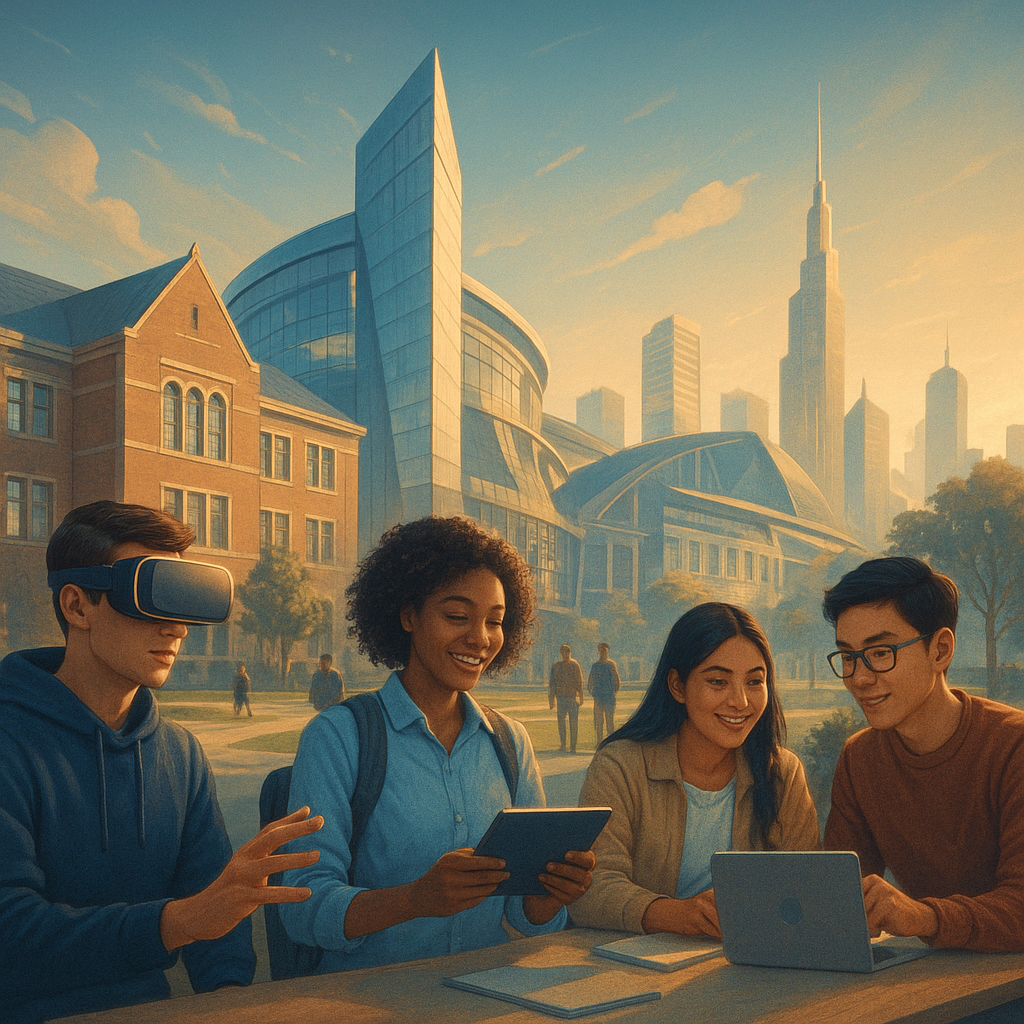
In a bustling campus at the University of Cambridge, a group of students don virtual reality headsets to collaborate on a simulated architectural design, while at the same time, a professor in California mentors AI students remotely through immersive holographic technology. This scene illustrates a profound shift in what a university looks like in 2026. Once seen primarily as brick-and-mortar institutions where young adults gathered to attend in-person lectures, universities today are re-envisioning their core purpose, structure, and delivery methods. This transformation is driven by technological advances, evolving workforce demands, and a growing recognition that education must be accessible, diverse, and deeply connected to practical outcomes.
The global enrollment in higher education has surpassed 300 million students, a near doubling since 2010, according to UNESCO data. Concurrently, the traditional four-year degree model is being challenged by modular, flexible learning pathways that integrate apprenticeships, microcredentials, and lifelong education. Universities are no longer just places to gain knowledge but platforms for innovation, entrepreneurship, and social impact.
"Universities must become agile learning ecosystems that adapt to the needs of students and society, not just repositories of knowledge," says Dr. Elena Martinez, a higher education strategist and consultant.
Tracing the Roots: How Universities Reached This Crossroads
The university as an institution has a storied history dating back to medieval Europe, originally conceived as centers for theological and philosophical study. Over the centuries, they expanded to include research and professional training, becoming pivotal in nation-building and economic development. However, the 20th century’s industrial and digital revolutions simultaneously expanded access and exposed systemic challenges.
By the early 2000s, massification of higher education led to overcrowded campuses, rising tuition, and questions about educational quality and relevance. The 2010s and early 2020s brought additional disruptions: the COVID-19 pandemic forced a sudden pivot to online learning, exposing the digital divide and accelerating the adoption of technology. Meanwhile, employers increasingly demanded skills such as critical thinking, adaptability, and digital literacy that traditional curricula struggled to deliver.
Traditional universities faced mounting criticism for high costs, lengthy degree timelines, and misalignment with labor market needs. This pressure catalyzed experimentation with alternative credentialing, partnerships with industry, and hybrid learning models.
Data-Driven Analysis: The New Metrics of University Success
Modern universities are measured not only by academic prestige but by how well they equip students for dynamic careers and contribute to innovation ecosystems. Recent data from the National Center for Education Statistics (NCES) and the Global University Employability Ranking reveal several key trends:
- Graduate employment rates within six months of graduation have become a top benchmark, with leading institutions reporting rates above 90%.
- Interdisciplinary programs combining STEM, humanities, and business have grown by over 40% since 2020, reflecting the need for holistic skill sets.
- Research commercialization income has doubled in the past five years, as universities seek to monetize innovations through startups and industry partnerships.
- Online and hybrid enrolments now account for 35% of total student populations in many countries, underscoring the shift toward flexible learning.
Comparisons between universities also highlight disparities. Elite institutions with extensive endowments and global networks continue to dominate rankings, while regional universities are innovating by focusing on community engagement and vocational training. The rise of competency-based education models, which assess skills over credit hours, is another evolving metric.
"Success in higher education is increasingly about adaptability and impact, not just traditional academic measures," notes Professor Samuel Lee of Stanford University’s Graduate School of Education.
What’s New in 2026: Universities Embracing Technology and Equity
The year 2026 marks a turning point where universities are integrating cutting-edge technologies to enhance learning and accessibility. Artificial intelligence tutors, digital twins of campuses, and blockchain-based credentialing systems are now mainstream in many institutions worldwide.
For example, Tuskegee University’s collaboration with AWS on AI and machine learning education has become a model for how universities can leverage cloud technology to democratize access to advanced STEM fields. This partnership, detailed in our coverage on Tuskegee University and AWS, highlights how industry alliances are reshaping curricula and research capabilities.
Additionally, the push for equity has accelerated. Many universities have introduced tuition-free programs for underrepresented groups, supported by public-private funding models. Digital platforms now allow students from remote or disadvantaged areas to engage fully in university life, diminishing geographic and socioeconomic barriers.
Meanwhile, campuses are evolving into hybrid physical-digital spaces. Smart classrooms equipped with AR/VR and AI-driven analytics personalize learning experiences, while makerspaces and innovation labs foster creativity and entrepreneurship. The University of Toronto’s recent launch of an AI-driven mentorship program exemplifies this trend.
- Expanding microcredential offerings in emerging fields like quantum computing and green technologies
- Implementing AI-based personalized learning paths for students
- Strengthening mental health and well-being support through virtual counseling
- Enhancing global collaboration through immersive virtual exchange programs
Expert Perspectives: The Industry Impact and Academic Discourse
Leading voices in education emphasize that the university’s role is shifting from gatekeeper of knowledge to facilitator of lifelong learning and innovation. Dr. Anita Deshpande, a policy advisor at the International Association of Universities, argues that this shift demands a redefinition of faculty roles, funding priorities, and governance structures.
Industry leaders also stress the importance of university-industry partnerships. Companies such as Google, Microsoft, and biotech giants have expanded collaborative research centers on campuses, helping align academic inquiry with real-world applications. This collaboration not only drives innovation but also improves student job readiness.
However, some caution against overreliance on technology, warning of potential risks such as data privacy concerns, digital inequities, and the erosion of critical thinking. Ethical frameworks and regulatory oversight are increasingly discussed in academic forums to ensure responsible adoption.
Our previous article on Rethinking University: How Institutions Are Transforming Education and Opportunity explores these debates in greater depth, highlighting diverse perspectives.
"Universities must balance innovation with inclusivity and critical inquiry," emphasizes Professor Helen Cho, chair of the Global Higher Education Consortium.
Looking Ahead: What to Watch in University Development
The trajectory of universities suggests several key areas to monitor in the coming years. First, the expansion of hybrid and modular degree programs will likely continue, offering students personalized and flexible pathways tailored to evolving career landscapes.
Second, the integration of AI and immersive technologies will deepen, potentially enabling real-time skill assessments and adaptive curricula that respond instantly to learner needs. However, this requires robust infrastructure and policies to protect student data and promote equitable access.
Third, global collaboration between universities, governments, and industry will intensify, fostering research that addresses pressing global challenges such as climate change, public health, and social justice.
Finally, the sustainability of university funding models remains critical. As traditional tuition revenue faces pressure, institutions will increasingly rely on diversified income streams including philanthropy, commercial ventures, and governmental support.
- Expansion of lifelong learning initiatives for professionals adapting to rapid technological change
- Enhanced use of AI-driven career services linking education outcomes to labor market demands
- Growth in global virtual exchange and joint degrees enhancing cross-cultural competencies
- Focus on mental health and inclusivity as core to student success and retention
Students and educators alike must stay informed and adaptable. For those preparing to start university, resources such as our comprehensive guide on Starting University: Practical Steps and Insights for a Successful Launch provide critical insights to navigate this evolving environment effectively.
Universities in 2026 stand at a crossroads, embracing profound transformation. Their ability to innovate while remaining accessible and relevant will define their role in shaping the future of knowledge, society, and opportunity.