Facing the First Day: The Reality of Starting University
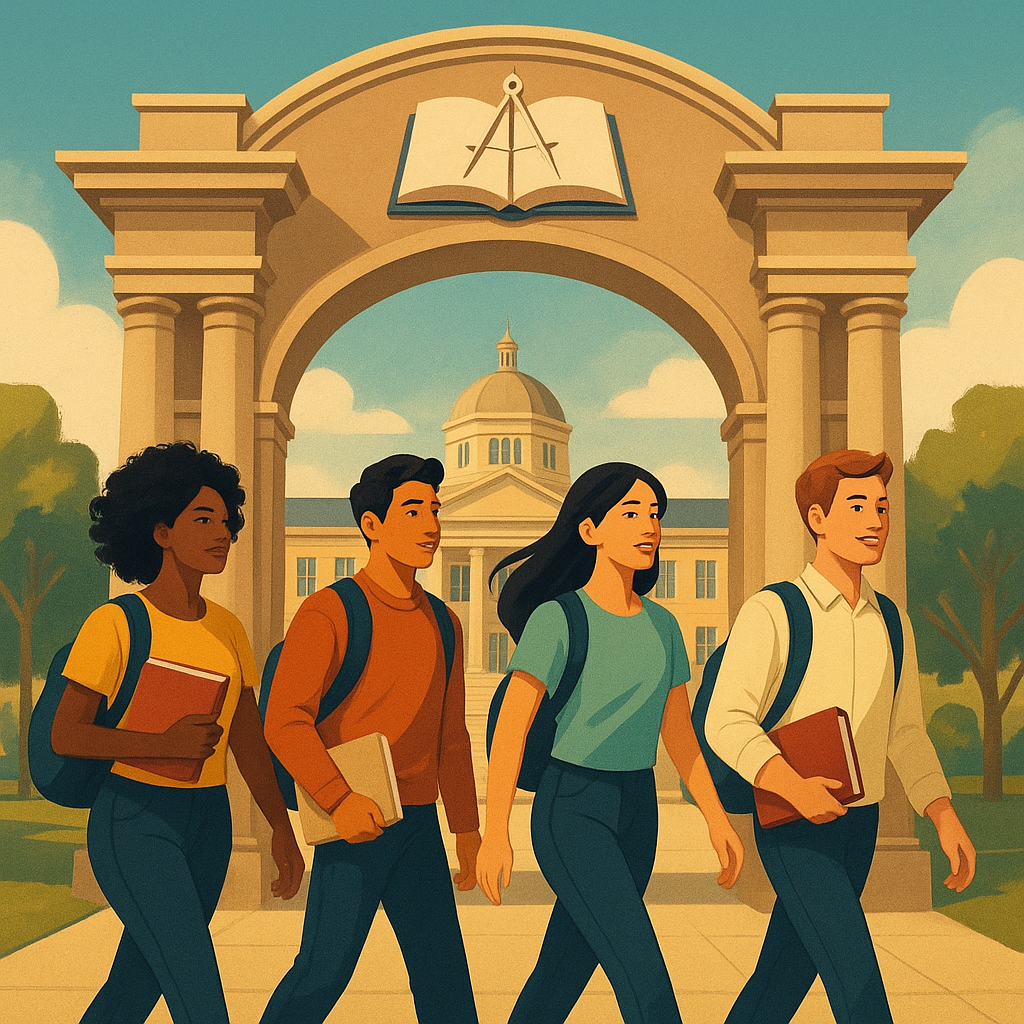
Imagine stepping onto a sprawling campus, the air buzzing with anticipation and nerves. Thousands of students, each with their own hopes, fears, and dreams. For many, this scene marks the beginning of a transformative journey. Yet, the transition to university life is often accompanied by uncertainty and challenges. According to the National Student Clearinghouse Research Center, over 20% of first-year students consider dropping out within their first semester due to adjustment difficulties. This statistic underscores the importance of a well-prepared start.
Starting university is not simply about attending lectures; it involves mastering time management, navigating social dynamics, and embracing new academic expectations. The first step is understanding the environment you are entering. Universities today blend traditional in-person learning with digital innovations, offering hybrid models that demand adaptability.
“The initial weeks of university are critical. They set the tone for academic success and personal wellbeing,” notes Dr. Elena Martinez, a higher education psychologist.
Recognizing this, students who approach university with a structured plan and realistic expectations tend to thrive. This article explores the essential actions for freshmen and transfer students to build a solid foundation for their academic and social lives.
How University Evolved and What It Means for New Students
The concept of university has undergone significant transformations over centuries. Originating in medieval Europe as centers for theological and philosophical inquiry, modern universities now serve diverse roles including research, innovation, and workforce preparation. By 2026, many institutions have embraced technology deeply, reshaping how knowledge is delivered.
This evolution influences how students should prepare. Unlike previous generations, 2026 freshmen encounter:
- Integrated digital learning platforms that complement face-to-face instruction
- Increased emphasis on interdisciplinary studies, requiring broader academic flexibility
- A focus on experiential learning, including internships and community projects
- Greater awareness of mental health resources and well-being strategies
Such shifts demand that students develop digital literacy and proactive engagement alongside traditional study skills. The ongoing debate around the cost and value of university education also shapes student choices, with rising tuition prompting many to seek scholarships and part-time work.
Universities have responded by offering more personalized academic advising and support services. For instance, many campuses utilize AI-driven platforms to recommend courses and monitor student progress, enhancing retention.
“We are witnessing a redefinition of university as a holistic ecosystem, not just a place for lectures,” explains Professor John Kim, a specialist in educational innovation.
Understanding this context is vital for new students to align their expectations and strategies with contemporary academic realities.
Step-by-Step Guide: How to Get Started Effectively
Success at university begins well before classes start. Preparation can be divided into several actionable steps:
- Research and Choose Wisely: Identify programs that match your interests and career goals. Use official university websites and consult with admissions counselors to understand course requirements and campus culture.
- Apply Early and Prepare Documentation: Ensure all transcripts, test scores, and financial aid forms are submitted on time. Many universities have moved to streamlined online portals for applications.
- Secure Housing: On-campus dormitories often fill quickly. Compare costs and convenience with off-campus options. Some universities provide virtual tours and roommate matching services.
- Engage with Orientation: Attend all orientation sessions, which introduce you to campus resources, academic expectations, and social opportunities.
- Set Up Essential Accounts: Activate your student email, learning management system access, and library memberships. Familiarize yourself with digital platforms used for coursework.
- Plan Your Finances: Budget for tuition, housing, food, transportation, and personal expenses. Explore scholarships, grants, and student employment options.
- Develop a Study Schedule: Use calendar apps to block out class times, study sessions, and breaks. Prioritize balance to avoid burnout.
Following these steps establishes a framework that reduces stress and increases confidence as the semester begins. According to a 2025 survey by the Student Success Alliance, students who completed all pre-arrival tasks had a 15% higher GPA on average in their first term.
Additional strategies include joining student clubs and engaging with peer mentoring programs to build connections early. These social links are proven to enhance retention and satisfaction.
New Trends in University Life as of 2026
Recent developments have further shaped how students start university. Key trends in 2026 include:
- Hybrid Learning Models: Most universities now offer blended courses combining online and in-person instruction, requiring students to be adaptable and self-motivated.
- AI-Powered Academic Support: Tools like adaptive learning platforms and chatbots provide personalized feedback and study aids, easing the transition for new students.
- Mental Health Priority: Enhanced counseling services and wellness apps are integrated into campus life, reflecting growing recognition of student stress levels.
- Career Integration from Day One: Universities partner closely with industries to embed employability skills in curricula and offer early internship opportunities.
- Diversity and Inclusion Initiatives: Programs to support marginalized groups are more robust, ensuring equitable access and community building.
For example, the University of Melbourne’s 2026 cohort reported a 30% increase in satisfaction due to their pioneering AI mentorship scheme. Such innovations require students to be technologically savvy and open to new learning methods.
“Adapting to technological advances is not optional anymore; it’s a core survival skill for university students,” states Dr. Lisa Chen, Director of Student Engagement at a major research university.
These changes highlight the necessity of continuous learning and flexibility as students embark on their academic careers.
Expert Advice and Real-World Insights for New Students
Experts emphasize a few critical perspectives for those starting university. Beyond academic preparation, emotional intelligence and resilience are equally important.
Dr. Maria Solomon, a counselor specializing in student transitions, advises:
“Building a support network early—whether through family, friends, or campus groups—is crucial. Don’t hesitate to seek help when overwhelmed.”
Moreover, educators highlight the importance of cultivating curiosity and self-directed learning. Universities are less about rote memorization and more about critical thinking and problem-solving.
Real-world examples illustrate these points. Consider the case of Aisha, a freshman at a large public university. By proactively attending orientation, joining a study group, and using campus mental health resources, she managed to improve her academic performance and social integration significantly during her first semester.
Similarly, international students often face additional hurdles such as cultural adaptation and language barriers. Universities have developed specialized programs to assist these students, including language workshops and cultural immersion activities.
You might enjoy exploring related insights on managing academic performance in our article Unlocking Peak Performance: Proven Study Techniques Transforming April 2026 and how educational institutions are evolving in Rethinking University: How Institutions Are Transforming Education and Opportunity.
Looking Ahead: What New Students Should Watch For
As university environments continue to evolve, new students should prepare for ongoing change and opportunity. Key takeaways for the future include:
- Lifelong Learning Mindset: University is the start, not the end, of formal education. Embrace continuous skill development.
- Networking Beyond Campus: Building professional relationships early can open doors to internships and jobs.
- Embracing Diversity: Engage with peers from varied backgrounds to broaden perspectives and foster inclusivity.
- Technological Adaptability: Stay current with emerging tools and platforms that enhance learning and productivity.
- Well-being as a Priority: Maintain a balance between academic pursuits and mental and physical health.
Universities are also expected to expand partnerships with industries and communities, creating more integrated, real-world learning experiences. Students who actively seek out these opportunities can gain a competitive edge.
“The university experience in 2030 and beyond will be defined by flexibility, personalization, and a community-driven approach,” predicts Professor Kim.
For those about to start this journey, the most effective strategy is a proactive, open-minded approach combined with careful planning. The path to success is clear but requires commitment and adaptability.
To further understand how to navigate the educational landscape, parents might find value in our piece on early education choices such as Preschool in Dubai: Essential Insights for Parents Before Enrollment, which underlines the importance of foundational decisions leading up to university.