
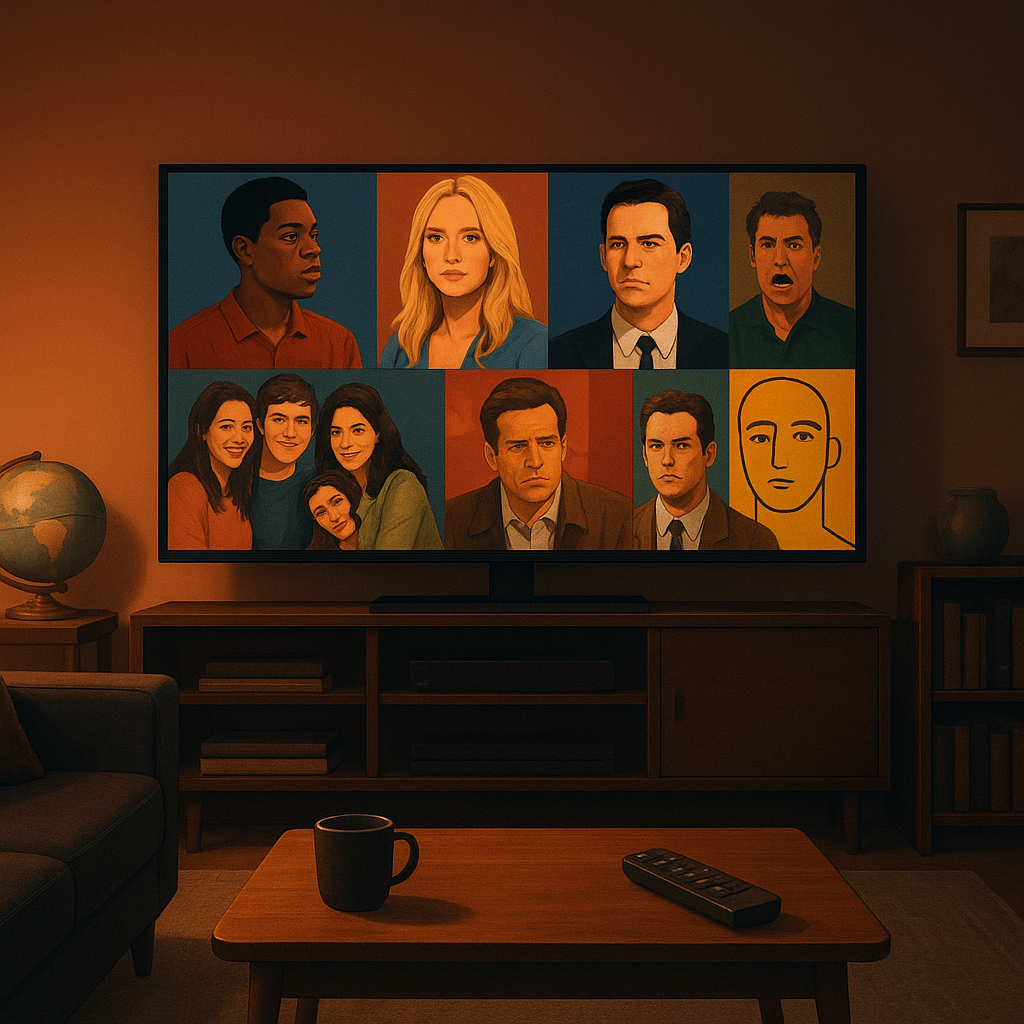
Television’s Transformative Pulse: A Scene from 2026
It’s a typical Thursday evening in a bustling New York apartment. The glow of a large curved screen fills the room, but the scene playing out isn’t just entertainment; it’s a microcosm of society’s evolving values and tensions. In the latest episode of "Echoes of Tomorrow," a critically acclaimed series that has captivated millions worldwide, characters grapple with climate change-induced displacement, AI ethics, and identity politics. This show, among others, exemplifies a trend that has accelerated over the past decade: TV shows are no longer mere escapism but reflect and influence cultural discourse with unprecedented immediacy and depth.
According to Nielsen’s latest report, over 78% of viewers aged 18–45 in the U.S. actively seek out shows that engage with contemporary social issues, signaling a shift from passive consumption to active cultural participation. This phenomenon is reshaping the entertainment industry’s approach to storytelling, production, and audience engagement.
“Television in 2026 serves as a mirror and a megaphone, reflecting societal challenges while amplifying diverse voices,” notes Dr. Lisa Tran, a media sociologist at Columbia University.
Tracing the Evolution: From Broadcast to Cultural Catalyst
The journey of television shows from simple broadcast entertainment to cultural barometers spans decades. In the 20th century, TV was dominated by network giants offering formulaic content designed for mass appeal. Shows like "I Love Lucy" and "The Twilight Zone" laid foundational storytelling techniques, but their scope was primarily entertainment-focused.
The 2000s introduced the golden age of TV with series such as "The Sopranos" and "The Wire," which pioneered complex narratives and socio-political commentary. Yet, it is the last decade, powered by streaming platforms and digital technology, that has revolutionized TV’s role. Platforms such as Netflix, Amazon Prime, and Disney+ have democratized content creation and distribution, enabling niche stories to reach global audiences.
This transformation was catalyzed by data analytics that allowed producers to tailor content to specific demographics, fostering a rich diversity of narratives. The rise of social media further amplified this, turning viewers into participants who discuss, critique, and influence story arcs in real-time.
“The interplay between technology, audience, and creators has turned TV into a dynamic conversation rather than a monologue,” comments Jonathan Meyers, former executive at a major streaming service.
Decoding the Numbers: Data-Driven Impact and Audience Dynamics
Delving into the data reveals how TV shows function as cultural signposts. A 2025 survey by Pew Research Center found that 65% of viewers believe their favorite TV shows have affected their views on social and political issues. Moreover, platforms report an average engagement time increase of 23% for shows with socially conscious themes compared to generic genres.
Consider these figures:
- Genre Shift: Dramas and docudramas with socio-political narratives constitute 47% of top-rated shows in 2026, up from 29% in 2016.
- Diversity Metrics: The percentage of TV show leads from underrepresented groups rose to 41% in 2026, according to the latest Hollywood Diversity Report.
- Interactive Engagement: Over 60% of viewers engage with companion digital content – behind-the-scenes footage, creator Q&As, and fan forums – enhancing immersion and discourse.
These trends underscore how TV shows have evolved beyond storytelling into vehicles of cultural reflection and change.
TheOmniBuzz’s own coverage on how TV shows are redefining storytelling and audience engagement provides further insights into these dynamics.
2026’s Defining Developments: Tech, Themes, and Trends
The current television landscape is shaped by several key developments that highlight TV shows as cultural barometers:
- Immersive Storytelling Technologies: Integration of AI-driven narratives and virtual reality elements has enabled personalized viewing experiences. Shows adapt storylines based on viewer choices and preferences, deepening emotional resonance.
- Globalized Content: Cross-cultural collaborations have surged. Korean dramas, African narratives, and Latin American productions now regularly top international charts, reflecting a global cultural exchange.
- Social Issue Spotlight: Topics such as climate justice, AI ethics, mental health, and equity dominate story arcs, mirroring pressing global concerns.
- Short-Form and Serialized Hybrids: Platforms experiment with formats combining episodic and mini-series structures, catering to diverse attention spans and viewing habits.
One standout example is "Threads of Tomorrow," a co-production between European and Asian studios that weaves a narrative on technological displacement and cultural identity, receiving critical acclaim and sparking worldwide conversations.
For an in-depth exploration of how emerging technologies are reshaping the future of TV shows, TheOmniBuzz’s article on AI and immersive tech offers valuable perspectives.
Industry Voices: Experts on TV’s Societal Influence
Industry veterans and cultural critics emphasize the dual role television plays today: as both an influencer and a reflector of societal values.
Elizabeth Chen, a veteran showrunner known for her work on socially conscious dramas, explains, “Television writers and producers now carry a responsibility to authentically portray societal issues. Audiences demand nuance, and they hold us accountable.”
Media analyst Raj Patel highlights the economic implications: “Investors increasingly fund projects that tackle relevant social themes because these resonate better with contemporary audiences, driving subscriptions and ad revenues.”
Consumer behavior data aligns with these viewpoints. According to a 2026 report from Media Insights Group, shows tackling social themes see a 30% higher retention rate among millennials and Gen Z.
“TV shows have become a form of cultural dialogue that transcends entertainment, shaping public opinion and policy debates,” asserts Dr. Maria Gomez, a cultural studies professor.
Looking Ahead: What the Future Holds for TV Shows
As the boundaries between technology, culture, and entertainment continue to blur, TV shows will increasingly serve as platforms for societal reflection and innovation.
Key trends to watch include:
- Enhanced Interactivity: Viewers will co-create narratives in real-time, influencing character fates and plot developments through integrated social media and AI tools.
- Inclusivity as Standard: Representation will expand beyond tokenism to authentic storytelling from diverse creators, further democratizing the medium.
- Hybrid Distribution Models: Combining traditional broadcast, streaming, and immersive experiences, offering flexible consumption tailored to lifestyles.
- Data Transparency: Ethical use of viewer data to balance personalization with privacy concerns.
In a media environment where authenticity and engagement are paramount, TV shows will continue to evolve as powerful cultural indicators and participatory experiences.
For viewers and creators alike, unlocking these trends is essential. Newcomers can find guidance in TheOmniBuzz’s beginner’s guide to smarter viewing, which demystifies how to critically engage with content in this complex era.
In summary, television shows in 2026 are more than entertainment; they embody society’s hopes, fears, and transformations. They invite audiences to reflect, debate, and shape the future. This multifaceted role ensures TV’s relevance amid a rapidly shifting cultural landscape.