
Starting Small: Why TV Shows Matter More Than Ever
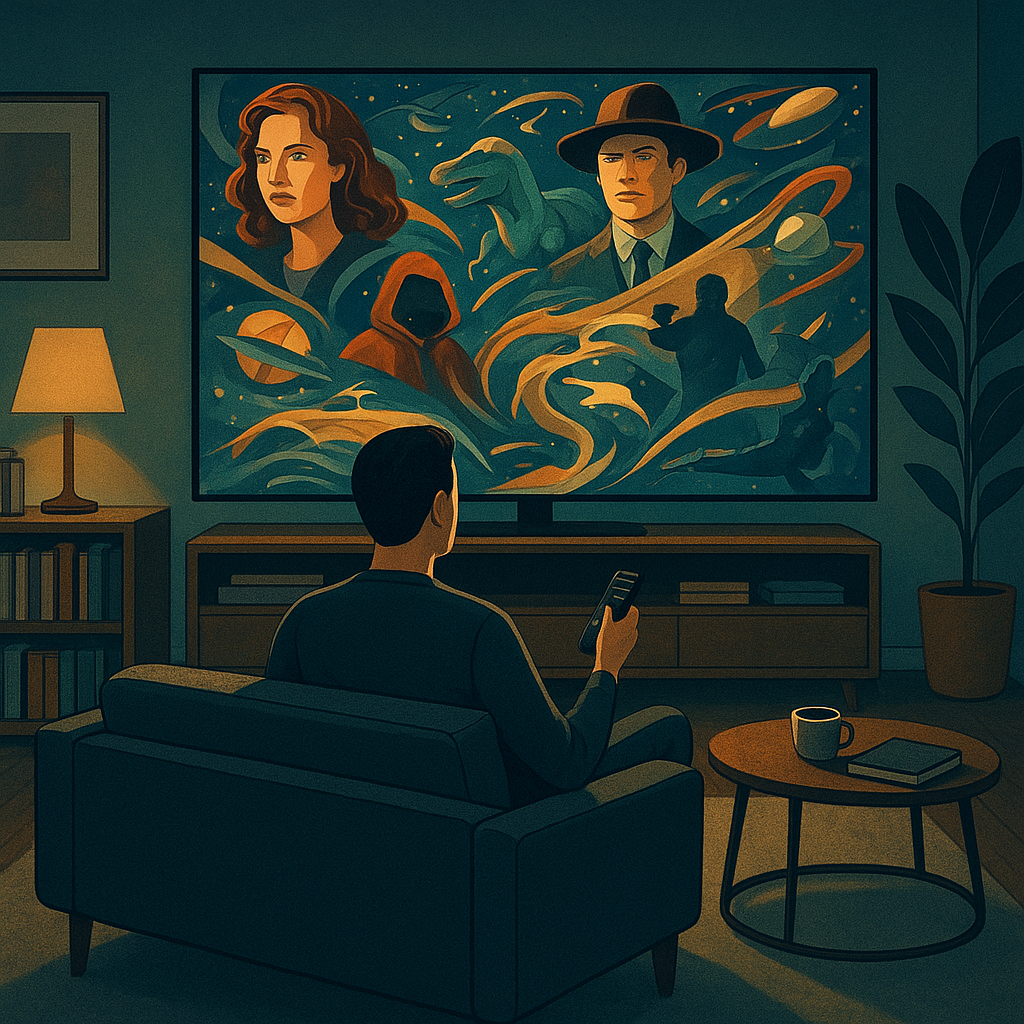
Picture this: a quiet evening, the soft glow of your screen illuminating a room filled with anticipation. It’s a scene familiar to billions worldwide. In 2026, television shows are no longer just background noise—they are cultural phenomena shaping conversations, perspectives, and even technology adoption. According to Nielsen’s latest viewing metrics, over 75% of adults globally engage with at least one TV series weekly, a figure that has held steady despite the rise of short-form content platforms. But for beginners, the sheer volume and variety of shows—from streaming originals to network staples—can feel overwhelming.
Understanding TV shows today means more than just picking a series to watch; it involves grasping the evolving landscape, the storytelling innovations, and the technology that delivers these stories. This guide aims to demystify modern TV shows, providing newcomers with the tools to select, appreciate, and engage with series more meaningfully. Whether you seek drama, comedy, sci-fi, or documentary, the journey into TV shows is richer when informed by context and insight.
"TV shows have become the most powerful medium for storytelling in the 21st century, shaping culture and technology alike," notes entertainment analyst Maya Chen.
The Evolution of TV Shows: From Broadcast to Interactive
The history of television series is a story of transformation—from the early days of live broadcasts in the 1940s to the serialized streaming sagas dominating today. Initially, TV shows were limited by technology and distribution, confined to scheduled broadcasts on limited channels. The 1980s and 1990s saw the rise of cable TV, which expanded genre diversity and introduced niche programming.
However, the real revolution began in the 2010s with the advent of streaming platforms like Netflix, Amazon Prime Video, and Hulu. Their on-demand model enabled binge-watching, altering consumption habits drastically. By 2026, streaming constitutes nearly 70% of TV show viewership in developed markets, according to Statista data. These platforms invest billions annually in original content, raising production values and storytelling complexity.
Moreover, the narrative structure evolved: shows embraced long-form storytelling, complex characters, and thematic depth, attracting critical acclaim and viewer loyalty. The lines between film and TV blurred, with cinematic techniques becoming standard in series production.
Alongside content, technology transformed user experience. Smart TVs, personalized recommendations powered by AI, and features like multiple viewing angles or interactive storylines have expanded what it means to watch TV. This shift has made TV shows an immersive, tailored experience rather than passive entertainment.
Decoding the Landscape: Types and Genres of TV Shows
For beginners, navigating the myriad of TV shows can be daunting. Understanding the fundamental types and genres helps streamline choices and enriches the viewing experience.
- Serialized Dramas: These shows tell continuous stories across episodes and seasons, emphasizing character development and plot arcs. Examples include "The Crown" and "Succession."
- Procedural Dramas: Featuring self-contained episodes, often crime or legal-based, such as "NCIS" or "Law & Order."
- Comedies: Ranging from situational comedies (sitcoms) like "Ted Lasso" to dark comedies like "Barry."
- Anthologies: Each season or episode presents a different story or characters, e.g., "Black Mirror."
- Reality and Competition Shows: Unscripted content like "The Great British Bake Off" or "Survivor."
- Documentaries and Docuseries: Non-fictional, informative storytelling such as "Planet Earth" or "The Last Dance."
Beginners should consider their preferences for pacing, story complexity, and themes. For example, serialized dramas require commitment but often provide richer narratives, while procedural shows are easier to follow in random order.
Emerging genres in 2026 include hybrid formats blending reality with scripted elements, and immersive interactive series enabled by AI and virtual reality technologies. These innovations invite viewers to influence story outcomes, as detailed in our analysis on how AI and immersive tech are reshaping TV shows’ future.
“Genre boundaries are dissolving. Today’s TV series often combine elements from multiple genres to create unique viewing experiences,” explains TV critic Rafael Gomez.
Choosing the Right Show: Tools and Strategies for Beginners
In 2026, the abundance of choices paradoxically complicates decision-making. Smart viewing begins with leveraging available tools and strategies:
- Streaming Platform Recommendations: Most services now use AI-driven algorithms to suggest shows based on viewing history and preferences.
- Curated Lists and Reviews: Trusted critics and platforms offer curated lists to guide beginners, such as those found on TheOmniBuzz’s entertainment category.
- Trial Viewing: Sampling first episodes or pilots before committing to a series helps gauge interest without wasting time.
- Social Media and Communities: Engaging with fan forums or social media groups can provide insights and highlight trending shows.
- Genre Exploration: Experimenting with different genres broadens horizons and helps refine tastes.
Experts recommend starting with critically acclaimed or award-winning shows to understand quality benchmarks. Additionally, beginners should be mindful of pacing their viewing to avoid burnout, especially with the temptation of binge-watching.
Platforms like Netflix, Disney+, and Apple TV+ have introduced beginner-friendly user interfaces featuring beginner guides and spotlight sections, easing discovery. For deeper insight into storytelling evolution, see our piece on how TV shows are redefining storytelling and audience engagement.
2026 Trends: What’s New in TV Shows This Year
The TV show landscape in 2026 is marked by notable trends reflecting technological advances and shifting viewer preferences.
- Interactive and Immersive Experiences: Building on previous years, shows increasingly incorporate viewer choices and VR/AR elements, fostering engagement.
- Global Storytelling: International productions have gained prominence, with Korean, Indian, and Scandinavian series topping global charts, boosted by streaming platforms’ investments in localized content.
- Sustainability in Production: Environmental concerns have pushed studios to adopt greener filming practices, influencing show themes and production methods.
- Shorter Seasons, Higher Quality: Many series now opt for limited episodes per season (6–8) to enhance narrative tightness and production values.
- AI-Assisted Scriptwriting and Editing: AI tools help writers and editors refine scripts and post-production, speeding up workflows while maintaining quality.
Viewers also show increased interest in socially conscious content addressing themes like climate change, diversity, and mental health. This reflects broader societal trends and the medium’s growing role in public discourse.
"TV shows are evolving into platforms for cultural dialogue and technological experimentation," says industry insider Lena Rodriguez.
Expert Insights and Future Outlook
Industry experts agree that TV shows will continue to innovate, blending art, technology, and audience interaction.
Dr. Samuel Lee, a media studies professor at NYU, highlights the medium’s adaptability: "TV shows uniquely combine narrative depth with technological advances, from AI to immersive tech, offering unparalleled storytelling possibilities." He anticipates more personalized experiences where AI curates not just recommendations but dynamically adjusts storylines to individual viewers.
From a production perspective, studios are investing heavily in cross-platform storytelling, integrating TV shows with gaming, social media, and live events to create ecosystems of engagement. This integrated strategy enhances fan loyalty and monetization avenues.
For beginners, staying informed about these shifts means embracing flexibility and curiosity. The key takeaway is to approach TV shows as an evolving art form tied to technology and culture, not merely entertainment.
- Explore different genres and formats without hesitation.
- Use technology to discover and customize viewing experiences.
- Engage with communities to enrich understanding and enjoyment.
- Follow industry trends to anticipate new storytelling frontiers.
By cultivating these habits, newcomers can transform from casual viewers into engaged audiences capable of appreciating the full spectrum of what modern TV shows offer.
Case Study: The Rise of Interactive Drama Series
One of 2026’s standout developments is the success of interactive drama series. Take "Echoes of Tomorrow," a show blending traditional narrative with interactive choices that allow viewers to influence character decisions and plot outcomes. Developed by Streamline Studios, it has attracted over 40 million viewers globally within its first six months, according to company press releases.
The series uses AI to adapt the storyline based on viewer selections, offering multiple endings and personalized character arcs. This innovation has sparked discussions about the future of storytelling, audience agency, and content production economics.
Critics praise "Echoes of Tomorrow" for balancing interactivity with storytelling quality, avoiding the pitfalls of fragmented narratives. Its success has encouraged other studios to explore similar formats, accelerating a trend toward more participatory TV shows.
"Interactive series like ‘Echoes of Tomorrow’ represent a paradigm shift, merging gaming and TV into a unified experience," remarks tech journalist Aria Bennett.
This case exemplifies how beginners can approach TV shows not only as passive consumers but as active participants, expanding the notion of what television can be in 2026.