Setting the Scene: A Living Room Transformed
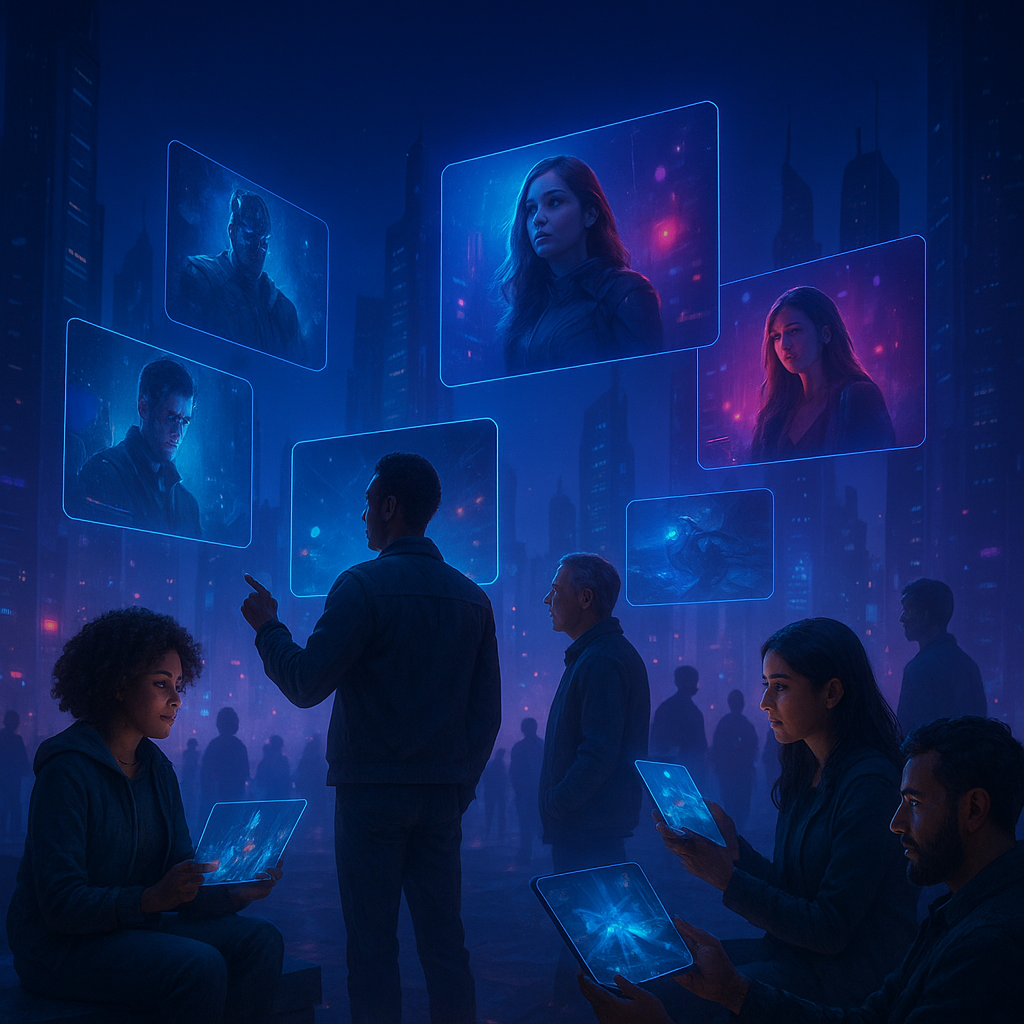
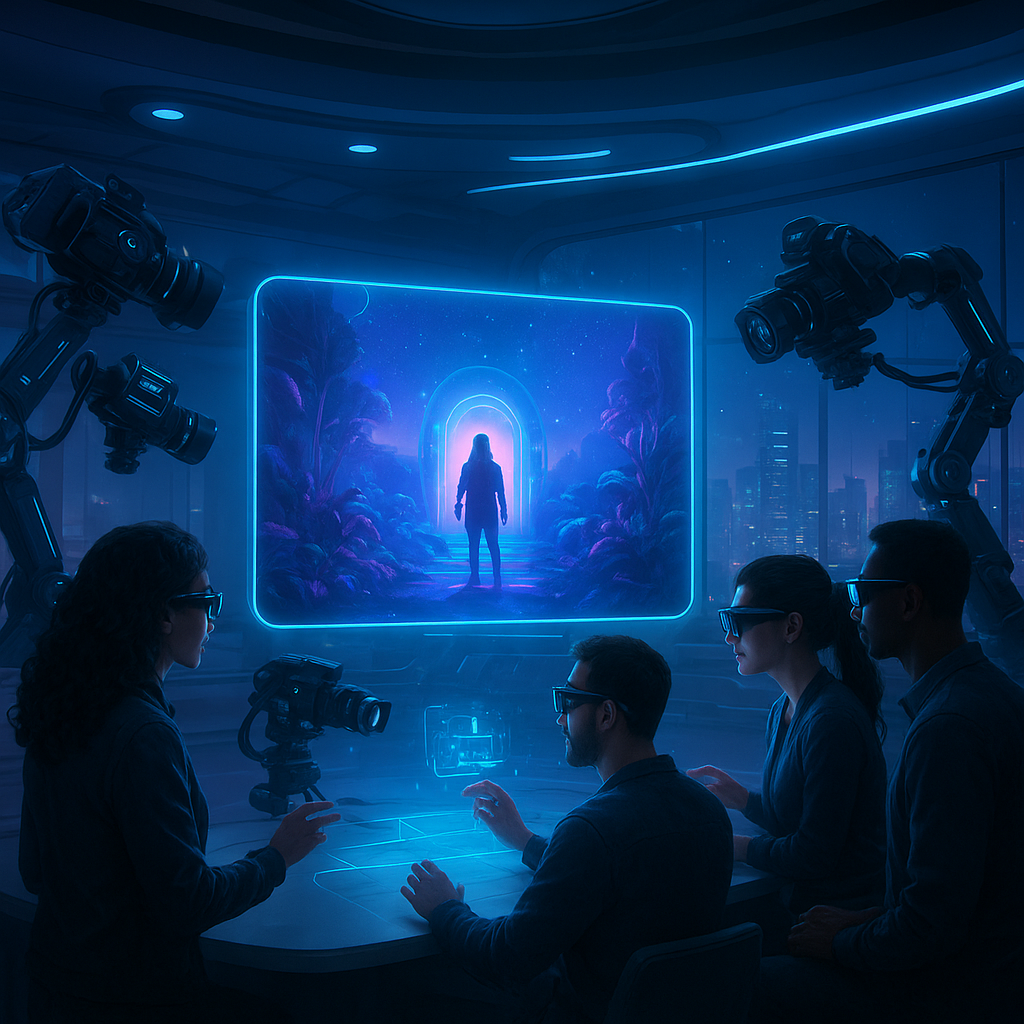
In a sleek apartment in downtown Los Angeles, a viewer slips on a lightweight AR headset and is instantly transported into the middle of a bustling cityscape — part of the new episode of a popular sci-fi series. Instead of passively watching, she chooses her path through the story, interacting with characters and unlocking hidden plotlines. This immersive experience is not science fiction; it’s the forefront of television’s evolution in 2026. From AI-generated scripts to metaverse integration, the future of TV shows is no longer confined to a flat screen.
According to Nielsen’s 2026 Media Consumption Report, interactive and immersive TV content has grown by 45% year-over-year, with over 60 million households globally adopting mixed reality devices specifically for entertainment. The passive, one-way broadcast model is giving way to a dynamic, participatory medium that blurs lines between gaming, storytelling, and social engagement.
“Television is becoming a shared space, not just a viewing experience,” says Dr. Helena Mertz, a media futurist at the University of Southern California. “This shift is the most fundamental transformation since the rise of streaming.”
From Broadcast to Interactive Worlds: Charting the Journey
To understand where television is headed, it’s crucial to examine how it arrived here. The transition from linear broadcasting to streaming platforms in the 2010s revolutionized accessibility and content diversity. Netflix’s pivot from DVD rentals to original programming set the stage, followed by a torrent of competitors including Disney+, HBO Max, and Amazon Prime Video, each vying for subscriber attention.
However, the last half-decade introduced even more radical changes. The incorporation of AI into content creation accelerated the production cycle and personalized narratives. Early experiments with interactive storytelling, such as Netflix’s 2018 "Black Mirror: Bandersnatch," hinted at the potential for audience agency. The pandemic era further catalyzed digital adoption, pushing studios to rethink engagement.
Meanwhile, advances in virtual reality (VR) and augmented reality (AR) hardware became more affordable and user-friendly. This convergence of streaming, AI, and immersive tech set the stage for today’s hybrid entertainment forms.
“The line between television, gaming, and social media is dissolving,” explains media analyst Ravi Singh. “Content creators are no longer just storytellers; they’re architects of entire worlds.”
Data-Driven Shifts: What the Numbers Reveal
By 2026, industry data underscores the seismic shifts reshaping TV shows. A recent Global Entertainment Technology Report estimates that interactive TV content now commands 35% of total streaming hours, a figure projected to surpass 50% by 2030. Additionally, AI-assisted production has reduced content development timelines by up to 40%, enabling studios to launch more series with higher customization.
- 45% increase in immersive TV adoption from 2024 to 2026, per Nielsen
- $12 billion invested globally in AI-driven content creation tools in 2025 alone
- 60 million households worldwide using AR/VR devices for TV experiences
- 70% of new scripted shows incorporate interactive or branching narratives
Comparing traditional scripted formats to newer interactive models reveals profound differences in viewer engagement metrics. Interactive shows report average watch times 25% longer and social media buzz that extends weeks beyond episodes. Platforms like Hulu and Apple TV+ have launched dedicated interactive content hubs, further signaling strategic shifts.
These trends are not just statistics; they represent a fundamental realignment of audience expectations and content delivery.
2026: The Landscape of TV Shows Today
In 2026, the television industry landscape is a mosaic of traditional and emergent formats seamlessly coexisting. Streaming giants have integrated AI-driven recommendation engines that tailor not only what shows are suggested but also dynamically alter story arcs based on viewer preferences. For example, the hit series "Echoes of Tomorrow" adapts plotlines in real-time, responding to aggregated audience decisions, creating a unique experience for each subscriber.
Moreover, the rise of the metaverse has birthed dedicated virtual theaters and social TV watching spaces, where users attend premieres with friends across continents. These spaces facilitate live interaction with actors via holographic projections and enable collective participation in narrative twists.
Simultaneously, traditional broadcasters are reinventing themselves by partnering with tech firms to produce hybrid linear-interactive shows, aiming to recapture audiences migrating to digital-first formats.
“Today’s TV show is as much a social event as it is entertainment,” notes Sarah Lin, Chief Content Officer at Horizon Media. “We’re creating experiences that resonate emotionally and socially, not just visually.”
The 2026 industry also grapples with challenges around data privacy, content moderation in interactive spaces, and the ethical use of AI in storytelling, sparking ongoing debates among creators, regulators, and audiences.
Voices from the Industry: Expert Insights
Leading creators and executives offer varied perspectives on the evolving TV ecosystem. Emmy-winning showrunner Marco Alvarez emphasizes the creative opportunities AI provides: “AI tools are collaborators now, helping flesh out scripts and even suggesting character developments based on viewer feedback. It’s an unprecedented creative partnership.”
Conversely, some caution against over-reliance on technology. Veteran producer Linda Choi warns, “There’s a risk of losing the human touch in narratives. The challenge is balancing innovation with authentic storytelling.”
Industry analyst Peter Redding highlights the economic implications: “Studios investing in immersive content report higher subscriber retention and monetization through microtransactions and exclusive experiences, signaling a profitable future.”
These expert views underscore how the future of TV shows is a negotiation between technology, creativity, and market forces.
Looking Ahead: What to Watch
As we look forward, several key trajectories will shape television’s future:
- Hyper-Personalization: AI will enable hyper-customized narratives tailored to individual emotional responses and preferences.
- Cross-Media Integration: TV shows will increasingly blend with gaming, social media, and virtual events to create cohesive entertainment ecosystems.
- Decentralized Content Creation: Blockchain and NFTs could empower fans and creators to co-own and monetize story elements.
- Ethical AI Use: Standards and regulations will evolve to ensure AI enhances rather than exploits creative integrity.
- Global Storytelling: Diverse voices and interactive formats will democratize storytelling, reaching wider audiences across cultures.
For audiences and creators alike, the future offers exciting possibilities but demands adaptability and openness to new forms of engagement.
Those interested in the evolving narrative techniques might find the article How TV Shows Are Redefining Storytelling and Audience Engagement insightful. Additionally, the shifts in viewer behavior are detailed in Why Streaming's Silent Revolution Is Redefining Entertainment Consumption.