A New Era of Television: From Passive Viewing to Active Engagement
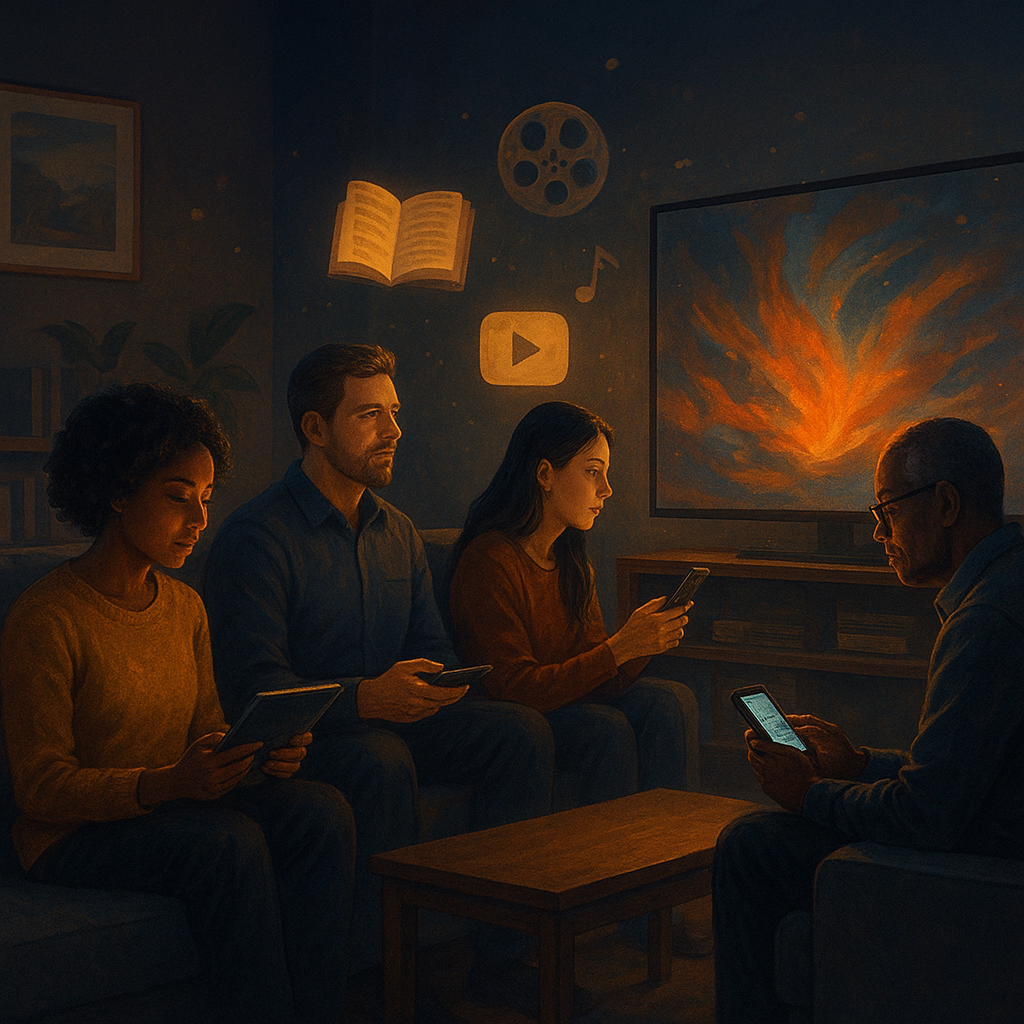
Picture a living room in 2026: a family gathered not just to watch a TV show, but to interact with it in real time, influence story arcs, and participate in a global community discussion that spans multiple platforms. This scene is becoming increasingly common as TV shows evolve beyond traditional broadcasting into immersive, multi-dimensional experiences. According to Nielsen’s 2025 report, global streaming hours crossed 1.2 trillion, marking an unprecedented surge in television consumption that is now driven by interactivity and personalization rather than mere scheduling.
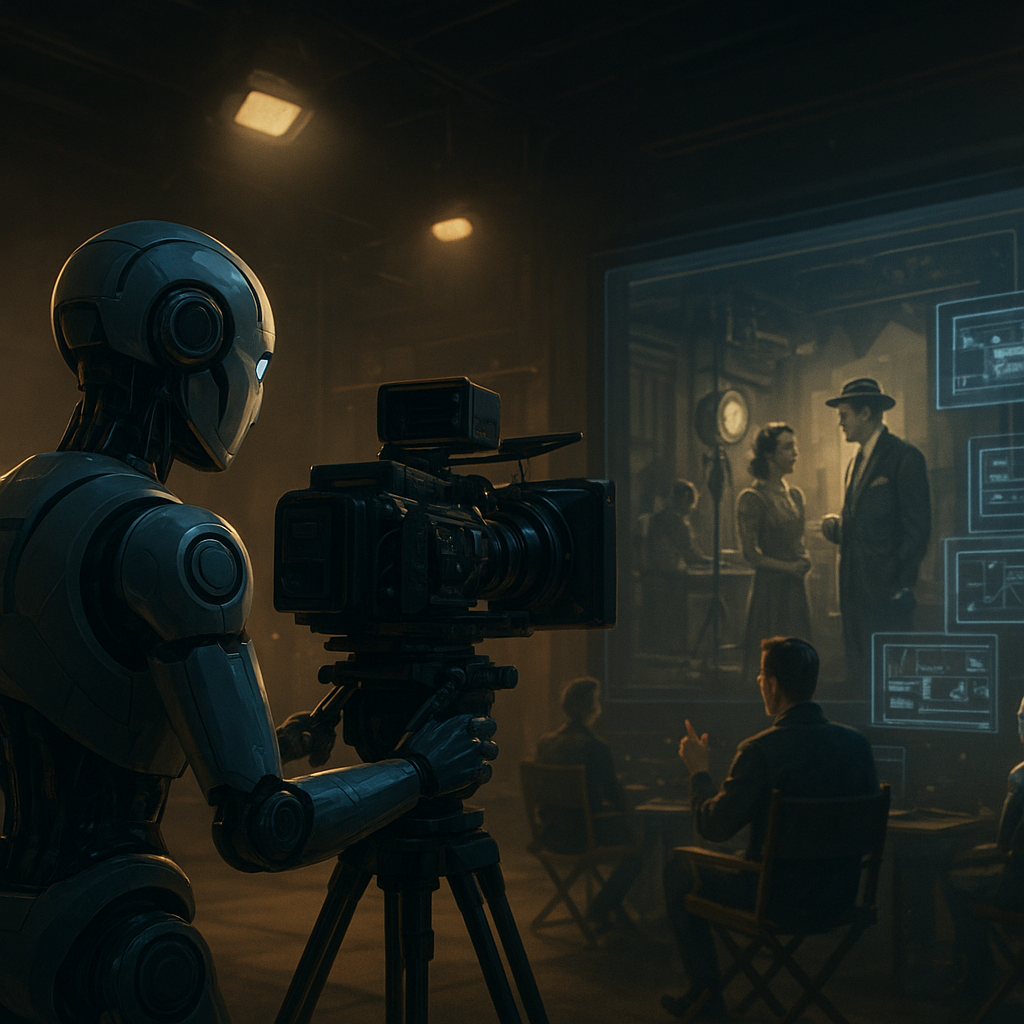
The transformation of TV shows is not just about technology; it is about how narratives are crafted and delivered. The rise of artificial intelligence in scriptwriting, the integration of augmented reality, and the democratization of content creation are reshaping television as a medium. This article explores the multi-faceted evolution of TV shows, analyzing the forces driving these changes, the current landscape in 2026, and what the future holds.
“Television is no longer a one-way street. It’s a shared journey where audiences are co-creators.” – Dr. Elise Morrow, Media Studies Professor
Tracing the Roots: How TV Shows Got Here
The story of television shows is a tale of continual reinvention. From the early days of black-and-white broadcasts in the 1950s to the rise of serialized dramas in the 1990s, TV has expanded its narrative and technological boundaries. The 2010s marked a seismic shift with the advent of streaming platforms like Netflix, Amazon Prime, and Disney+, which upended traditional schedules and introduced binge-watching as a cultural norm.
By 2020, the industry was already embracing new formats, such as anthology series and interactive episodes. Shows like "Black Mirror: Bandersnatch" pioneered viewer choice, signaling a move towards more participatory storytelling. Meanwhile, the explosion of social media created real-time feedback loops between creators and audiences, fueling fan theories and community engagement.
Technological advances also played a crucial role. The introduction of 4K and HDR broadcast standards improved visual quality, while AI-driven recommendation algorithms personalized content discovery. Interactive technologies, including second-screen apps and voice-enabled commands, began to blur the line between viewer and participant.
Industry estimates from PwC’s Global Entertainment & Media Outlook 2021-2025 highlighted a projected compound annual growth rate (CAGR) of 8.4% in streaming revenues, underscoring the shift away from traditional cable and satellite TV. These trends set the stage for the innovations dominating 2026.
Understanding 2026’s TV Landscape: Data, Trends, and Innovations
The current landscape of TV shows is defined by convergence—between storytelling, technology, and audience dynamics. Analysis of 2026 data reveals several defining trends:
- Hybrid Distribution Models: While streaming remains dominant, hybrid models integrating live broadcasts and on-demand content are gaining traction. Networks like HBO Max and Peacock have launched flexible subscription tiers combining both.
- AI-Enhanced Content Creation: Studios increasingly employ AI for script development, predictive casting, and post-production editing, cutting costs and accelerating timelines without sacrificing creativity.
- Immersive Storytelling: Augmented Reality (AR) and Virtual Reality (VR) experiences complement traditional episodes, offering viewers immersive worlds tied to show narratives.
- Globalized Content: The success of non-English series like South Korea’s “Beyond the Horizon” and Spain’s “El Laberinto” reflects growing demand for diverse stories worldwide.
- Interactive and Social TV: Real-time audience participation through apps and social media integrations enhances engagement, turning passive viewing into communal events.
To quantify these shifts, consider the following 2025 industry figures from Statista:
- Streaming subscriptions worldwide reached 1.9 billion, a 12% increase from the previous year.
- Interactive TV show participation grew by 35%, fueled by apps that allow viewers to vote on plot directions.
- International content accounted for 42% of top 100 streamed shows globally, signaling a cultural democratization.
These numbers illuminate a television ecosystem that is more complex, diverse, and participatory than ever before.
“The future of TV lies in breaking the fourth wall—not just narratively but technologically—inviting audiences to shape the story.” – Samira Chen, Chief Content Officer at StreamLabs
Industry Voices: How Creators and Executives Are Shaping the Future
Leading executives and creatives in the TV industry underscore the importance of adaptability and innovation. At the 2026 Television Critics Association winter press tour, several notable figures shared insights on current challenges and opportunities.
Jessica Marlow, showrunner of the hit series “Echoes of Tomorrow,” spoke about integrating AI tools into writers’ rooms: “AI doesn’t replace human creativity; it amplifies it. We use it to test plot permutations and character reactions, then refine with human intuition.”
Meanwhile, Lucas Hernandez, CEO of Horizon Media Group, highlighted the critical role of data analytics: “Understanding viewer behavior down to granular metrics allows us to tailor content that resonates deeply. It’s about crafting emotional connections informed by data.”
There’s also growing awareness of ethical considerations surrounding AI and data use, with calls for transparency and audience consent becoming mainstream discussion points in industry forums.
On the creative front, innovative collaborations are emerging between traditional studios and indie creators, facilitated by platforms that democratize production and distribution. This hybrid model fosters fresh voices and diverse storytelling.
These perspectives reflect an industry in flux but poised for dynamic growth and transformation.
Case Studies: Groundbreaking TV Shows Defining 2026
Examining prominent shows from 2026 reveals how these trends materialize in practice:
- “Neural Nexus” (Sci-Fi Interactive Drama): This series uses AI-driven branching narratives where viewers vote live to determine character fates, creating thousands of possible storylines. It garnered over 50 million active participants globally in its first season.
- “Roots Reimagined” (Historical Docudrama): Blending AR technology, the show offers immersive historical reenactments accessible via companion apps, enhancing educational outreach and engagement.
- “Global Mosaic” (Anthology Series): Featuring stories from multiple countries, this show exemplifies the globalization trend, showcasing culturally rich narratives with subtitles and dubbing in 15 languages.
These examples illustrate the blend of technology, interactivity, and diverse storytelling that typifies the cutting edge of TV shows today.
For a broader view of related entertainment evolution, you might enjoy the in-depth analysis in Movies in 2026: Evolution, Trends, and the Future of Cinema.
What Lies Ahead: Predictions and Takeaways for Viewers and Creators
Looking beyond 2026, several trajectories appear likely to shape the future of TV shows:
- Hyper-Personalization: Advances in AI will enable shows to tailor plots and character developments to individual viewer preferences, creating unique viewing experiences.
- Cross-Media Storytelling: TV shows will increasingly integrate with games, podcasts, and live events, creating expansive narrative universes.
- Ethical AI and Data Use: Industry standards and regulations will evolve to protect viewer data and ensure transparency in AI content generation.
- Sustainability in Production: Environmental concerns will drive eco-friendly filming practices and virtual production techniques.
- Community-Driven Content: Fans will have greater influence through crowdfunding, voting, and direct collaboration with creators.
For both viewers and creators, the key takeaway is that television is no longer a static product but a dynamic platform for storytelling innovation and audience involvement.
“As the lines between creator and consumer blur, television becomes a mirror reflecting not just stories, but shared human experiences.” – Dr. Elise Morrow
Exploring related cultural phenomena, such as food culture’s social impact, also enriches understanding of media’s broader role; see Why Food Culture Is More Than What’s on Your Plate for an intriguing perspective.
In closing, TV shows in 2026 are a testament to innovation, diversity, and community. They herald an era where stories are not just told but lived, inviting audiences to be active participants in the unfolding narrative tapestry of modern entertainment.