Powering Change: The Dawn of a Renewable Era
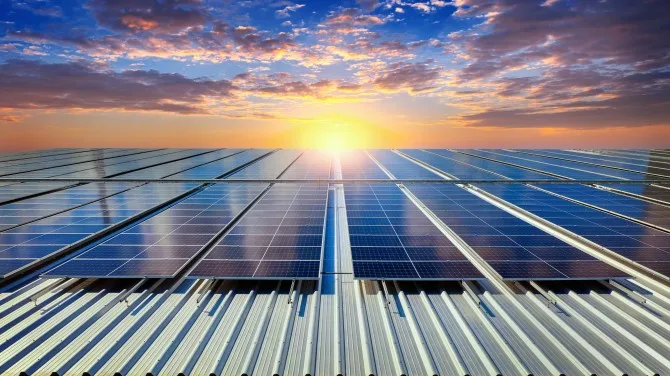
On a crisp morning in early 2026, the sun rose over a sprawling solar farm in Nevada that alone generates enough electricity to power over 300,000 homes. Adjacent to it, wind turbines spin silently on the horizon, harnessing the desert winds with unprecedented efficiency. This scene is no longer an anomaly but a representation of the accelerating global shift toward renewable energy. The International Energy Agency (IEA) reported that renewables accounted for nearly 45% of global electricity generation in the first half of 2026, surpassing coal for the first time in history. This milestone symbolizes a significant paradigm shift in how humanity powers its future.
The transition to renewable energy sources is not just a technological upgrade; it is a socio-economic revolution reshaping energy markets, geopolitics, and environmental strategies. Yet, this transformation comes with complex challenges and competing interests that complicate the road ahead. Understanding the intricate dynamics of this energy transition requires examining the historical context, technological breakthroughs, economic impacts, and policy frameworks shaping 2026’s renewable landscape.
“The rapid adoption of renewables is rewriting the rules of energy security and climate strategy simultaneously,” notes Dr. Lena Hoffmann, lead analyst at the Global Energy Institute.
Historical Trajectory: From Fossil Fuels to Renewables
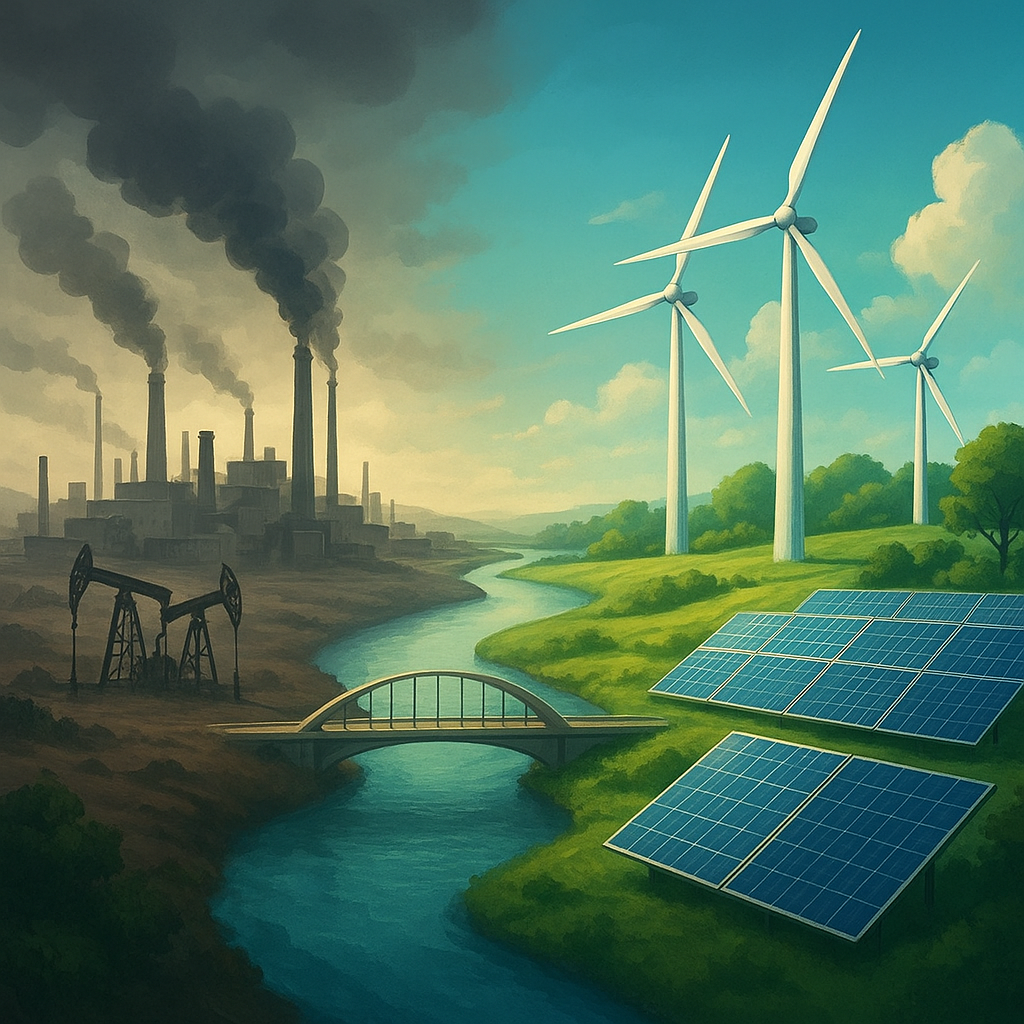
The global energy system’s dependence on fossil fuels dates back to the Industrial Revolution, when coal became the backbone of industrial expansion. Over the 20th century, oil and natural gas emerged as dominant energy sources due to their high energy density and relative ease of transport. However, the environmental consequences of these fuels—greenhouse gas emissions, air pollution, and ecological degradation—became increasingly apparent by the late 20th century.
Efforts to diversify energy sources began in earnest in the 1970s, spurred by oil crises and growing environmental awareness. Early renewable technologies such as hydroelectric power and geothermal energy had niche applications, but the breakthrough for wind and solar came only in the 2000s with advances in materials science and manufacturing. The price of photovoltaic panels dropped by over 90% between 2010 and 2025, making solar power economically viable on a massive scale.
Despite these advances, the global energy transition has been uneven. Developed economies initially led renewable deployment, but emerging markets now represent the fastest-growing segment. This shift reflects a combination of policy incentives, climatic necessity, and technological leapfrogging. The fossil fuel industry, meanwhile, has faced mounting pressure but remains entrenched due to existing infrastructure and political influence.
“Understanding the legacy of fossil fuels is crucial to appreciating the scale and complexity of transitioning to renewables,” explains energy historian Michael Chen. “It’s not just swapping one fuel for another; it’s reimagining entire economic and social systems.”
2026’s Renewable Energy Landscape: Data, Trends, and Comparisons
The year 2026 marks a pivotal point in renewable energy deployment globally. According to the latest data from the International Renewable Energy Agency (IRENA), global renewable capacity reached 4,300 gigawatts (GW) by mid-2026, a 12% increase from the previous year. Solar photovoltaic (PV) and wind power dominate this expansion, accounting for 55% and 30% of new capacity additions, respectively.
Key comparative metrics illustrate the momentum:
- Solar PV costs have fallen to an average of $0.025 per kilowatt-hour (kWh), undercutting coal and natural gas in most regions.
- Wind energy
- Battery storage installations surpassed 250 gigawatt-hours (GWh), enabling greater grid stability and facilitating higher renewable penetration.
Moreover, the integration of smart grids and digital energy management systems has enhanced the efficiency and reliability of renewable energy networks. Countries like Germany, China, and the United States lead in renewable capacity, but emerging economies such as India, Brazil, and South Africa show rapid adoption fueled by international financing and local innovation.
However, challenges persist:
- Grid integration: Aging infrastructure in many regions struggles to manage the intermittency of renewables.
- Raw material supply chains: The surge in demand for critical minerals like lithium and cobalt raises environmental and geopolitical concerns.
- Policy coherence: Uneven regulatory frameworks and subsidies sometimes create market distortions and investment uncertainties.
“Renewables are no longer niche technologies but foundational pillars of modern energy systems,” asserts Dr. Rajiv Patel, energy economist at the University of London. “The data from 2026 confirms a transformational trajectory with growing economic competitiveness.”
Emerging Technologies and Innovations Driving 2026’s Growth
Renewable energy’s surge is underpinned by technological innovation beyond traditional solar and wind. Breakthroughs in areas such as green hydrogen, advanced geothermal, and tidal energy are expanding the portfolio of clean energy options.
Green hydrogen, produced via electrolysis powered by renewables, is gaining traction as a versatile energy carrier for hard-to-decarbonize sectors like heavy industry and shipping. The Hydrogen Council’s 2026 report estimates green hydrogen could supply up to 15% of global energy demand by 2050, with pilot projects already operational in Europe and Asia.
Enhanced geothermal systems (EGS) exploit deeper rock formations with engineered reservoirs, overcoming previous geographic limitations. Companies like GeoThermX have announced new EGS plants in the western United States, promising continuous baseload power with minimal environmental footprint.
Tidal and wave energy technologies, long in experimental stages, have started commercial deployment in coastal regions of the UK and South Korea. These sources benefit from predictable energy cycles and complement solar and wind.
Additionally, advances in energy storage technologies—solid-state batteries, flow batteries, and even emerging hydrogen storage solutions—are crucial for addressing renewable intermittency and enabling 24/7 clean power.
These innovations are transforming energy economics and expanding market opportunities. However, they require substantial capital investment and supportive policy environments to scale effectively.
Global Policy Dynamics and Industry Impacts
International climate agreements and national energy policies remain critical drivers of renewable deployment. The updated commitments under the Paris Agreement, reinforced by COP31 in late 2025, have set more ambitious targets for emission reductions and renewable energy shares. Countries are increasingly aligning fiscal incentives, carbon pricing mechanisms, and infrastructure investments to accelerate the clean energy transition.
Industry responses to these policy shifts are multifaceted. Major oil and gas companies—traditionally fossil fuel heavyweights—are diversifying portfolios by investing billions in renewable projects and green technologies. For instance, Shell’s 2026 strategic report reveals a 40% increase in renewable assets and a target to achieve net-zero emissions in operations by 2040.
Meanwhile, renewable energy firms face consolidation and competitive pressures as markets mature. Smaller developers partner with technology innovators and financiers to deliver integrated solutions, spanning generation, storage, and grid services.
Financial institutions are increasingly channeling capital toward sustainable energy projects, influenced by Environmental, Social, and Governance (ESG) criteria. This trend reshapes investment landscapes and compels companies to demonstrate transparent sustainability metrics.
“Policy coherence and private sector engagement are the twin engines propelling the renewable revolution,” says Maria Gonzalez, director at Clean Energy Finance Group.
Looking Ahead: The Road to a Sustainable Energy Future
As renewable energy outpaces fossil fuels, the journey is far from complete. Future progress hinges on addressing systemic challenges and leveraging emerging opportunities.
Key areas to watch include:
- Enhancing Grid Flexibility: Deployment of smart grids, demand response technologies, and regional interconnections to manage variability.
- Scaling Energy Storage: Innovations in battery technologies and hydrogen storage to enable reliable, round-the-clock clean power.
- Decarbonizing Industry and Transport: Expanding green hydrogen and electrification strategies for sectors traditionally reliant on fossil fuels.
- Ensuring Social Equity: Designing inclusive energy policies that provide affordable access and minimize transition-related job dislocations.
Collaboration among governments, businesses, and civil society will remain essential to sustain momentum and avoid pitfalls such as resource conflicts or technological lock-in. TheOmniBuzz’s coverage, including Why Renewable Energy’s Momentum Is Shaping the Next Energy Revolution and Renewable Energy’s Rising Tide: Powering a Sustainable Future Beyond Fossil Fuels, offers in-depth insights into these evolving trends.
“The energy transition is an unprecedented opportunity to redefine prosperity and environmental stewardship simultaneously,” reflects Dr. Hoffmann. “How we navigate the next decade will determine the legacy we leave for generations.”
Case Studies: Real-World Successes and Lessons
Several landmark projects illustrate renewable energy’s transformative potential and the complexities involved.
1. The Noor Ouarzazate Solar Complex, Morocco
As one of the world’s largest concentrated solar power (CSP) plants, Noor Ouarzazate combines solar thermal and PV technologies to provide stable electricity to over a million people. The project demonstrates how renewables can drive economic development and energy independence in sun-rich regions.
2. Denmark’s Energy Island Initiative
Denmark’s ambitious plan to create artificial energy islands in the North Sea aims to aggregate offshore wind power and distribute it across Europe. This initiative exemplifies innovative infrastructure integration and regional cooperation to maximize renewable output.
3. Australia’s Battery of the Nation
Leveraging its vast hydropower capacity, Tasmania is positioning itself as a giant battery for the Australian grid by exporting clean energy via undersea cables. This model highlights the importance of complementary renewable resources and energy storage.
These projects underscore the importance of tailored solutions that consider geographic, economic, and social contexts. They also reveal common challenges such as financing, regulatory approvals, and community engagement.
For readers interested in understanding the pitfalls of renewable energy ventures, Why Renewable Energy Projects Often Fail: Lessons from Common Mistakes provides an essential companion analysis.