
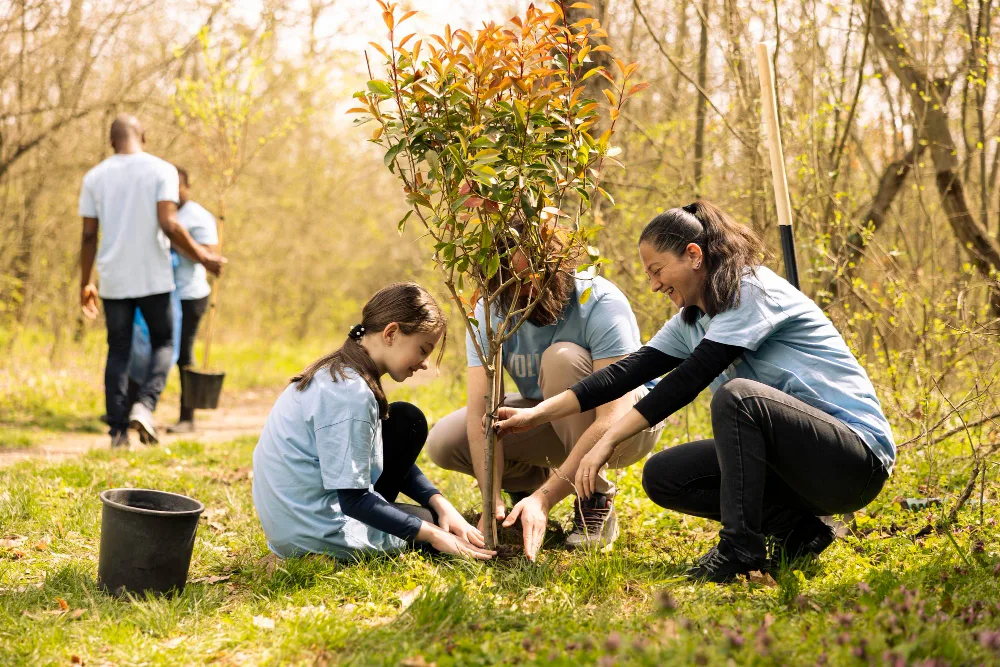
Planting trees is often seen as a simple way to make the world greener, but its benefits can reach much further. Trees can provide food, shade, work and natural resources for families who need support. When communities plant and care for trees, they can create useful resources that continue to help people for many years. This makes tree planting a meaningful way to support families while also caring for the environment. If you are looking for a lasting way to help, you may choose to donate olive tree and support a project that can benefit people and communities over time.
Trees Can Provide Food
One of the most direct ways trees can help families is by providing food. Fruit and olive trees can produce crops that families can eat or sell. This can make a real difference for households that have limited access to fresh food.
Olive trees, for example, can produce olives that can be used to make olive oil and other food products. Fruit trees can provide apples, oranges, dates and other crops, depending on the climate. When these trees are looked after properly, they can continue to produce food for many seasons.
For families facing financial difficulties, having access to locally grown food can reduce some household costs. Extra produce can also be shared with neighbours or sold at local markets.
Tree Planting Can Create Work
Planting trees can also support families by creating jobs. People are needed to prepare land, plant young trees and care for them as they grow. Farmers and workers may also find employment when trees need watering, pruning, harvesting and protecting.
These jobs can provide families with an income and help them meet everyday needs. In areas where employment opportunities are limited, agricultural work can be especially valuable.
Tree-based farming can also create work beyond the farm. Once crops are ready, people may be needed to collect, transport, process and sell them. This means one tree can contribute to several parts of a local economy.
Trees Can Give Long-Term Support
One important benefit of planting trees is that they can continue to provide value for many years. Unlike a one-time food parcel or short-term gift, a healthy tree can produce crops season after season.
This can make tree planting a form of long-term support. A tree planted today may take time to grow, but once it becomes productive, it can continue helping families for years.
For charitable projects, this long-term benefit can be particularly meaningful. Supporting tree planting can help communities build resources that remain useful rather than providing help for only a short period.
Trees Protect the Land
Healthy trees also help protect the land where families live and work. Their roots can hold soil in place and reduce soil erosion caused by wind and rain. This is important for farmers because healthy soil is needed to grow crops.
Trees can also help the ground hold water. In areas where water is limited, this can support better growing conditions for plants. Trees provide shade as well, which can help protect people, animals and other crops from strong sunlight.
By protecting farmland, trees can help families continue farming and earning an income. This can be especially important in areas affected by dry weather or difficult environmental conditions.
Trees Can Support Small Farmers
Small farmers often depend on their land to provide food and income. Planting trees can give them another source of value from the same land.
For example, farmers may grow olive trees alongside other crops. Once the trees mature, they can harvest olives and sell them. This can provide an additional source of income and reduce the need to depend on just one type of crop.
Trees can also help make farms more diverse. A farm with different plants may have more ways to produce food and earn money throughout the year.
Trees Provide Shade and Cooler Spaces
Trees can make communities more comfortable by providing natural shade. This can be helpful in warm regions where temperatures become very high during summer.
A shaded area can give families a place to rest, work or spend time together. Trees around homes, schools and community spaces can also make these areas more pleasant.
Trees can help cool the air around them through their natural processes. While planting trees alone cannot solve extreme heat, creating more green spaces can contribute to healthier and more comfortable communities.
Tree Planting Can Help Future Generations
The benefits of planting a tree are not always limited to the people living today. A tree can continue to grow and provide food and resources for future generations.
A child living in a community today may benefit from a tree many years later. This makes tree planting a thoughtful way to think about the future. It can help create a stronger natural environment while providing useful resources for families.
For charitable giving, this long-term effect can make tree planting especially meaningful. The support may continue to create benefits even after the original planting project has finished.
Trees Can Improve the Local Environment
Trees are an important part of a healthy environment. They absorb carbon dioxide and release oxygen as they grow. They can also provide homes and food for birds, insects and other wildlife.
More trees can help improve the appearance of a community and create greener spaces. They can also contribute to healthier local ecosystems.
When communities protect existing trees and plant new ones, they take an active role in caring for their surroundings. This can improve both the natural environment and the quality of life for local families.
How Tree Donations Can Make a Difference
People who want to support families in need can consider donating towards tree planting projects. Charities and community organisations may use donations to provide trees, prepare land and support local workers with planting and care.
Before donating, it is sensible to check how the project works and where the trees will be planted. Look for information about how the trees will be maintained and how local families or communities will benefit.
A good project should have a clear plan for caring for the trees after they are planted. Young trees need water, protection and regular care before they become established.
Supporting Families and the Planet Together
Helping families in need does not always have to mean providing short-term assistance. Projects that create lasting resources can offer another way to make a positive difference.
Planting trees can combine several benefits. Trees can provide food, create work, protect farmland, offer shade and improve the environment. These benefits can support families while also helping local communities become greener and more sustainable.
For people in the UK who want to give to meaningful environmental and community projects, tree planting can be a simple option to consider. A single contribution may support a tree that continues to provide value long after it has been planted.
Conclusion
Planting trees can support families in need in many practical ways. Trees can provide food, create jobs, protect farmland and offer valuable resources for future generations. They can also improve local environments and help communities become more resilient.
While a tree may take time to grow, its benefits can last for many years. By supporting responsible tree planting projects, people can help create a future where families have access to useful natural resources and stronger opportunities. Tree planting is therefore not only about growing something green; it can also be about growing hope, opportunity and long-term support for communities in need.