Setting the Stage: The Urgency of Sustainability in 2026
On a brisk morning in September 2026, the global carbon concentration reached 420 parts per million, a stark reminder of humanity’s environmental footprint. This figure, reported by the World Meteorological Organization, underscores a persistent challenge: despite decades of awareness and action, the planet’s climate systems remain under severe stress. Yet, 2026 also marks a pivotal year where sustainability is no longer a niche concern but a defining factor in economic policy, corporate strategies, and consumer behavior worldwide.
The urgency is palpable. Extreme weather events, from unprecedented wildfires in the American West to catastrophic floods in Southeast Asia, have become increasingly frequent and damaging. Economic costs linked to climate-related disasters topped $450 billion globally in 2025, according to the International Monetary Fund (IMF). Against this backdrop, the concept of sustainability has evolved beyond environmentalism—it is now a comprehensive framework integrating ecological balance, social equity, and economic resilience.
As governments, businesses, and civil society confront these intertwined challenges, sustainability emerges as a transformative lens for growth and innovation. This article explores how this paradigm shift is reshaping economies, industries, and communities, offering deeper insight into the mechanisms driving change in 2026 and beyond.
“Sustainability is no longer just a responsibility; it is the foundation of future economic stability and prosperity.” — Dr. Lina Alvarez, Chief Economist, Global Sustainability Institute
Tracing the Trajectory: From Awareness to Action
The roots of modern sustainability trace back to the 1970s, with the publication of the seminal Brundtland Report in 1987 defining sustainable development as meeting the needs of the present without compromising future generations. Over the following decades, sustainability gained traction through international treaties such as the Kyoto Protocol and the Paris Agreement. However, early efforts were often criticized for lacking enforceability and ambition.
The transition from awareness to actionable frameworks accelerated markedly in the 2010s and 2020s. Corporate sustainability reporting became mainstream, bolstered by frameworks like the Global Reporting Initiative (GRI) and the Task Force on Climate-related Financial Disclosures (TCFD). Simultaneously, technology advancements enabled better tracking of carbon footprints, water usage, and supply chain impacts.
By 2026, sustainability is embedded in economic planning in unprecedented ways. The rise of Environmental, Social, and Governance (ESG) investing has directed over $50 trillion in assets toward companies demonstrating measurable sustainability performance. Governments worldwide have introduced green taxonomies to standardize what qualifies as sustainable economic activity, aiming to curb greenwashing and funnel capital toward genuine impact.
Despite progress, challenges persist. The uneven pace of adoption among countries and sectors, data reliability issues, and the complexity of balancing growth with ecological limits remain key hurdles. Nonetheless, the trajectory is clear: sustainability is transitioning from a voluntary ideal to an essential economic imperative.
Data-Driven Insights: The Economic Impact of Sustainability
Quantifying sustainability’s economic implications reveals a multifaceted picture, with both opportunities and costs. Recent data from the International Energy Agency (IEA) shows that global investment in clean energy reached $2.8 trillion in 2025, a 20% increase from 2023. This surge has coincided with renewable energy capacity surpassing fossil fuels for the first time in history.
Key sectors demonstrate varying dynamics:
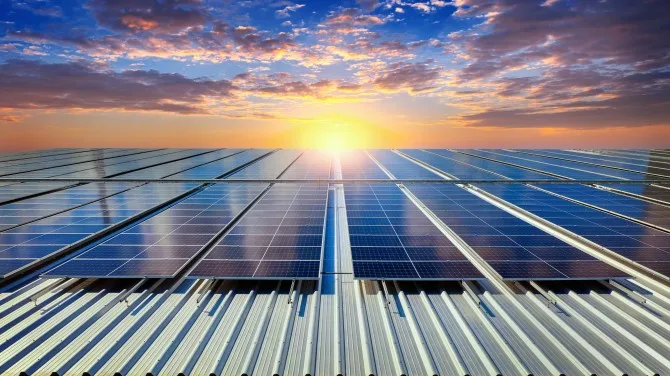
- Energy: Renewables now supply 45% of global electricity, driven by solar and wind innovations. Levelized costs of energy (LCOE) for renewables have fallen by 35% since 2020, making them competitive or cheaper than coal and natural gas.
- Transportation: Electric vehicle (EV) sales constitute 55% of new car sales worldwide, up from 30% in 2023. Infrastructure investments in EV charging and battery recycling have expanded accordingly.
- Agriculture: Sustainable farming practices covering 18% of arable land have improved soil health and reduced greenhouse gas emissions by 12% in this segment.
- Manufacturing: Circular economy models are gaining ground, with companies like Interface and Patagonia reporting over 40% of materials sourced from recycled inputs.
These shifts have generated substantial economic benefits:
- Job creation in green sectors increased by 8 million globally since 2022, according to the International Labour Organization.
- Energy cost savings from efficiency measures have reduced industrial energy expenses by 15% on average.
- Consumer demand for sustainable products grew 25%, influencing brand valuations and market shares.
However, transition costs are significant. Fossil fuel-dependent regions face economic displacement, requiring just transition policies to mitigate social impacts. Capital-intensive infrastructure upgrades present financing challenges, especially in developing economies.
“The sustainability transition is the largest economic transformation since the Industrial Revolution, with profound implications for labor markets, capital flows, and geopolitical power.” — Prof. Anil Mehta, Sustainability Economist
2026 Developments: Innovations and Policy Shifts Accelerate
This year has witnessed several noteworthy breakthroughs and policy initiatives shaping sustainability’s trajectory. Governments and private entities have intensified efforts to integrate sustainability into core decision-making processes:
- Carbon Pricing Expansion: More than 80 countries now implement carbon pricing mechanisms, covering nearly 70% of global emissions. The average carbon price has risen to $75 per ton, incentivizing emission reductions.
- AI and Data Analytics: Artificial intelligence tools are increasingly used to optimize energy consumption, monitor supply chains, and predict environmental risks. This evolution aligns with insights from TheOmniBuzz’s analysis on AI’s role in refining sustainable investment strategies.
- Plastic Alternatives: Biodegradable and plant-based packaging have surged, reducing plastic waste in oceans by an estimated 30% compared to 2023 levels.
- Urban Sustainability: Cities such as Copenhagen and Singapore have advanced carbon-neutral urban zones, integrating green infrastructure, smart grids, and public transport enhancements.
These developments are supported by international cooperation, notably the 2026 Global Sustainability Summit, which resulted in binding agreements on deforestation reduction, ocean protection, and sustainable finance transparency.
Industry sectors are also evolving rapidly. The fashion industry, for instance, continues to blend sustainability and technology, a trend explored in depth in TheOmniBuzz’s feature on fashion innovation. Brands leverage AI to optimize material use and consumer engagement, while adopting circular models to reduce waste.
Voices from the Field: Expert Perspectives on Sustainability’s Impact
Experts across disciplines emphasize that sustainability is no longer optional but integral to competitive advantage and risk management. Dr. Maria Jensen, CEO of GreenTech Innovations, highlights the strategic shift: “Companies that embed sustainability into their DNA are outperforming peers in innovation, customer loyalty, and regulatory compliance.”
Financial analysts note that ESG-aligned portfolios have delivered consistent returns, challenging the myth that sustainability compromises profitability. Meanwhile, social scientists underscore the importance of equity: without inclusive policies, marginalized communities risk being left behind in the green transition.
Policy experts stress the need for coherent frameworks. “Fragmented regulations create uncertainty,” says Raj Patel, advisor at the United Nations Environment Programme. “Harmonization and enforcement are essential to scale impact.”
“Sustainability is a multidimensional challenge requiring interdisciplinary collaboration and systemic thinking.” — Prof. Elise Wong, Environmental Policy Expert
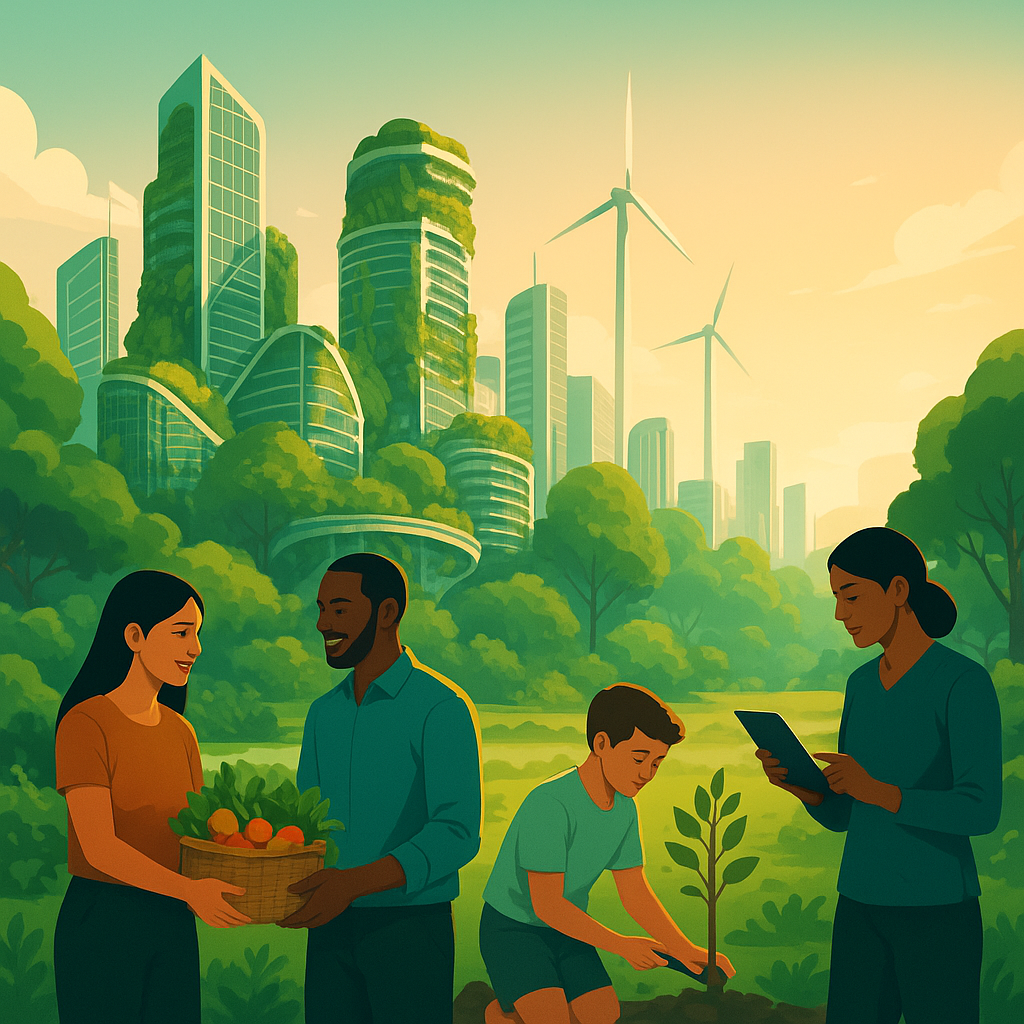
At the grassroots, community-led initiatives demonstrate how localized approaches complement global strategies. Urban farming, renewable microgrids, and waste-to-energy projects empower citizens and foster resilience, proving that sustainability’s scope extends beyond corporate boardrooms.
Looking Ahead: Future Pathways and Key Takeaways
As 2026 unfolds, sustainability remains a dynamic and evolving agenda. Key trends to watch include:
- Technological Integration: Continued advancements in AI, blockchain, and IoT will enhance transparency, efficiency, and accountability across value chains.
- Climate Adaptation: Beyond mitigation, strategies addressing climate resilience—especially in vulnerable regions—will gain prominence.
- Behavioral Change: Consumer preferences are shifting toward ethical consumption, pushing companies to innovate responsibly.
- Policy Evolution: Governments are expected to tighten regulations on emissions, waste, and resource use, increasing compliance demands.
The path ahead requires balancing ambition with pragmatism. As this article outlines, sustainability is not a static goal but a continuous process that demands innovation, collaboration, and vigilance. Stakeholders must embrace complexity, recognizing that economic growth and environmental stewardship are not mutually exclusive but mutually reinforcing.
Ultimately, how societies respond will shape the legacy for future generations. TheOmniBuzz’s ongoing coverage, including our deep dive into 2026’s progress and challenges, remains dedicated to unpacking these critical developments.
- Invest in cross-sector partnerships to leverage diverse expertise and resources.
- Prioritize transparency and data-driven decision-making to ensure measurable impact.
- Support inclusive policies that protect vulnerable populations during the transition.
- Foster innovation ecosystems that align profitability with purpose.
Only through such concerted efforts can the promise of sustainability be fully realized, transforming it from a buzzword into a tangible foundation for the future.