
The Unstoppable Surge: A Glimpse into Esports’ 2026 Landscape
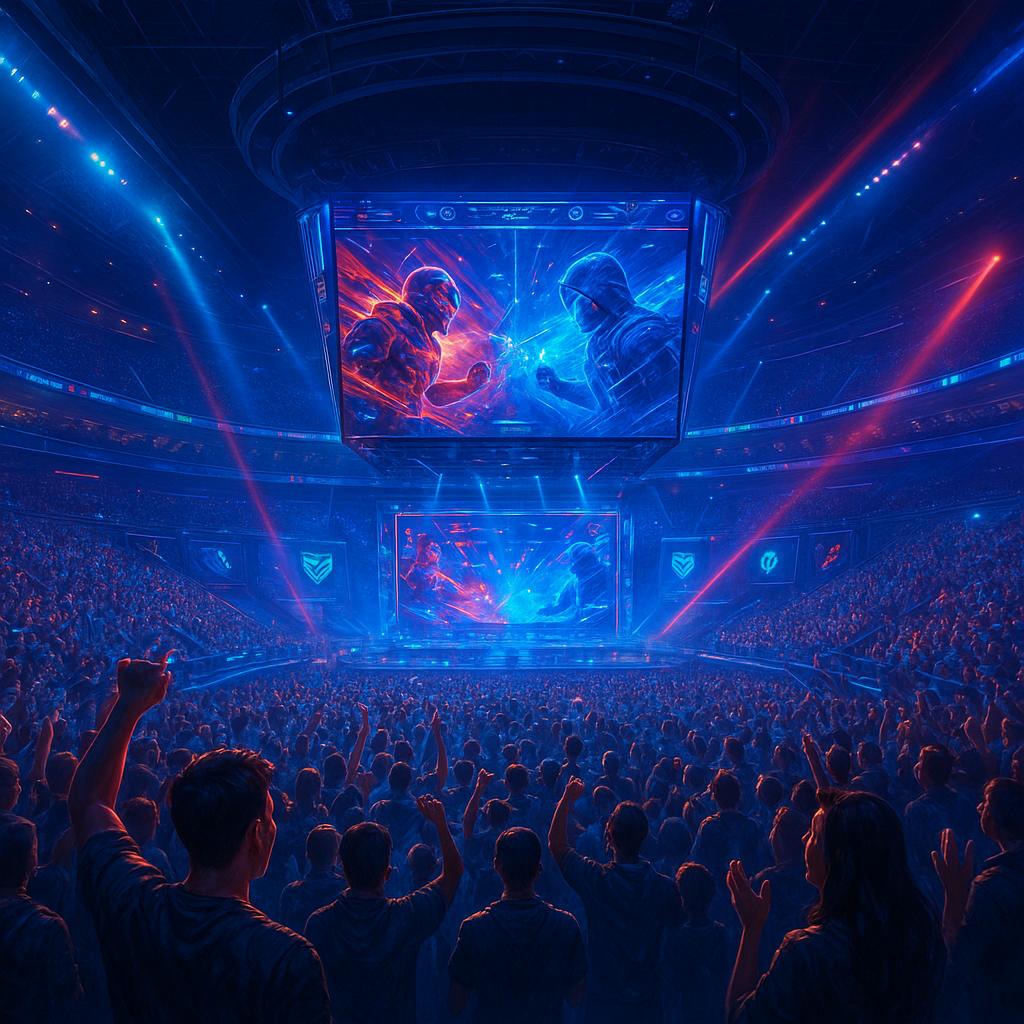
On a brisk spring evening in Seoul, the stadium holds 20,000 fans packed shoulder to shoulder, yet millions more watch online as the final match of the 2026 Global Esports Championship unfolds. The stakes have never been higher: a $10 million prize pool, global sponsorships from household brands, and career-defining glory for the players competing. This electrifying scene is emblematic of esports’ place at the zenith of modern entertainment, a realm where digital competition captivates vast audiences and redefines sportsmanship.
2026 marks a significant milestone in esports’ evolution. Industry analysts report that global esports revenues have surpassed $3.5 billion this year, fueled by advances in technology, mainstream acceptance, and innovative formats. According to Newzoo, the global audience now exceeds 650 million, with a diverse demographic spanning Asia, North America, Europe, and emerging markets in Latin America and Africa.
Such rapid growth is not merely about bigger events or prize pools; it signifies a cultural and economic shift. Esports has transcended niche gaming circles to become a cornerstone of global youth culture, media investment, and brand activation. This article explores the most pivotal trends shaping esports in 2026, dissecting the forces behind its explosive expansion, technological breakthroughs, and the evolving ecosystem that supports it.
From Basement Battlegrounds to Global Arenas: The Road to 2026
Understanding 2026’s esports boom requires tracing its origins. The early 2010s saw esports largely confined to grassroots tournaments and livestream platforms like Twitch. Titles such as League of Legends and Counter-Strike laid the foundation for competitive gaming’s legitimacy. Over the past decade, the industry underwent professionalization, with structured leagues, player contracts, and franchised teams replacing informal competitions.
Several key developments paved the way for today’s landscape:
- Infrastructure and Investment: Traditional sports franchises and venture capital began injecting capital into esports by the early 2020s, enhancing production quality and marketing.
- Technological Innovation: The integration of 5G networks and cloud gaming platforms enabled seamless, low-latency streaming worldwide, broadening access.
- Cultural Acceptance: Esports entered mainstream media through partnerships with broadcasters and celebrity endorsements, shedding its “gamer subculture” label.
- Regulatory Frameworks: Governments and esports organizations established regulations to ensure fair play, player welfare, and intellectual property protections.
By 2025, esports had matured into a multifaceted industry encompassing live events, content creation, merchandising, and education. This maturity set the stage for 2026’s accelerated trends, where innovation and scale converge.
Core 2026 Trends: Technology, Monetization, and Global Expansion
The esports ecosystem in 2026 is shaped by several transformative trends:
- AI-Enhanced Coaching and Analytics: Teams employ AI-driven tools for performance analysis, strategy simulation, and opponent scouting, increasing competitive depth.
- Immersive Spectator Experiences: Virtual Reality (VR) and Augmented Reality (AR) technologies enable fans to experience matches from player perspectives or interactive vantage points.
- Cross-Platform and Mobile Dominance: Mobile esports titles like Honor of Kings and PUBG Mobile command massive player bases, especially in Asia and emerging markets.
- Decentralized Leagues and Web3 Integration: Blockchain-based platforms facilitate decentralized tournament governance, NFT collectibles, and player royalties.
- Diversification of Revenue Streams: Beyond sponsorships and media rights, esports entities generate income from merchandise, fan tokens, and virtual goods.
Statista data underscores this diversification: sponsorships still represent the largest revenue share at 42%, but direct fan monetization methods have surged to 28%, reflecting a more engaged and participatory audience.
“In 2026, esports is a convergence point of entertainment, technology, and community. The use of AI and immersive tech is not just enhancing competition but revolutionizing audience engagement.” — Dr. Lena Kim, Esports Research Institute
The impact of these trends is visible in how events are produced and consumed. Riot Games’ 2026 World Championship, for example, incorporated AR overlays enabling viewers to access real-time stats and immersive replays on their devices. Meanwhile, Tencent’s investment in blockchain platforms has allowed players and fans to trade limited-edition digital assets tied to esports moments.
2026 Spotlight: Current Developments Redefining the Ecosystem
This year, esports has witnessed several landmark developments that signal its trajectory beyond gaming:
- Major League Consolidations: Several regional leagues, including North America’s NAE and Europe’s ESL, have merged to form unified global circuits. This consolidation facilitates better scheduling, standardized rules, and cross-regional competition.
- Esports in Education: Universities worldwide now offer accredited esports degrees and scholarships. The University of California, Irvine, reports a 35% increase in esports program enrollment in 2026 alone.
- Gender Inclusivity Initiatives: Prominent organizations have launched campaigns and all-female tournaments to address diversity gaps, resulting in a 20% increase in female pro players since 2024.
- Health and Well-being Focus: Teams employ sports psychologists and physical trainers, recognizing that mental health is critical for sustained performance amidst intense schedules.
- Global Sponsorship Expansion: Non-endemic brands such as luxury fashion houses and automotive giants have entered esports sponsorships, seeing it as vital to reach Gen Z and Gen Alpha consumers.
These developments align with broader cultural shifts. Esports is increasingly seen not just as competition but as a legitimate career path and lifestyle. The integration with education and wellness highlights a professionalization that rivals traditional sports.
“The maturation of esports is evident in its institutional support systems — from education to healthcare — which are now integral to sustainable player careers.” — Marcus Velasquez, CEO, ProGaming Alliance
Industry Perspectives: How Stakeholders Are Shaping Esports’ Future
Leaders across the esports spectrum emphasize collaboration and innovation as pillars for the next phase. Executives from top publishers, team owners, and media rights holders stress the importance of balancing commercialization with community authenticity.
According to interviews conducted by TheOmniBuzz, key stakeholder viewpoints include:
- Publishers: Focus on fostering competitive integrity and expanding game ecosystems, with Riot Games and Blizzard investing in new esports-ready titles.
- Teams: Increasingly diversified portfolios including content creation, brand partnerships, and academy programs to nurture talent.
- Media Platforms: Enhancing interactivity and personalized viewing experiences through AI-curated highlights and social features.
- Sponsors: Leveraging esports for brand storytelling, with campaigns that emphasize shared values such as innovation and inclusivity.
Moreover, esports agencies advise that the next growth frontier lies in underpenetrated regions like Southeast Asia and Africa, where mobile gaming penetration is skyrocketing, but infrastructure and professional frameworks remain nascent.
These expert insights complement broader analyses, such as those in How Esports Is Reshaping Competition, Culture, and Commerce in 2026 and How AI and Immersive Tech Are Shaping Esports’ Next Frontier, which explore the intersection of technology and culture in driving esports forward.
Looking Ahead: What to Watch as Esports Enters Its Next Era
As we move beyond mid-2026, several critical factors will determine esports’ sustainability and growth:
- Regulatory Evolution: Ensuring player rights, anti-cheating measures, and data privacy will be paramount as esports intersects with web3 and AI technologies.
- Technological Accessibility: The success of VR/AR and AI tools depends on lowering barriers to entry for fans and players globally, particularly in developing markets.
- Monetization Models: Balancing free-to-watch accessibility with new revenue streams like NFTs and fan tokens will challenge stakeholders to innovate responsibly.
- Diversity and Inclusion: Continued efforts to broaden participation across gender, ethnicity, and geography are essential for community health and market expansion.
- Environmental Sustainability: With large live events and data centers consuming significant energy, eco-conscious practices will become a competitive differentiator.
Industry watchers should also monitor emerging titles that could disrupt established game hierarchies, as well as the integration of esports into traditional sports franchises and media networks.
In conclusion, esports in 2026 is far more than digital competition. It is a complex, interconnected ecosystem driving cultural trends, technological innovation, and economic opportunity on a global scale. For players, fans, and investors alike, understanding these trends is key to engaging with one of the most dynamic sectors of contemporary entertainment.
For further insights on esports’ cultural and commercial impact, see our detailed coverage in How Esports Is Redefining Competition, Culture, and Commerce in 2026 and explore the technological breakthroughs shaping the scene in Inside Esports: Unraveling the Forces Behind Competitive Gaming’s Global Surge.