
A New Arena: The Rise of Esports as a Global Phenomenon
It was April 2026 when the Esports World Championship finals shattered previous viewership records, drawing over 70 million concurrent viewers worldwide—a staggering figure that rivals traditional sports broadcasts. This moment encapsulated the transformative journey of esports from a niche pastime into a dominant force in global entertainment and commerce. What was once dismissed as mere video game playing has evolved into a sophisticated industry with professional athletes, franchised teams, and multi-billion-dollar investments. The stakes have never been higher, nor the audience broader.
Esports today is not just a form of competition; it is a cultural movement that blends technology, entertainment, and social interaction. With its roots tracing back to the late 1990s, this ecosystem has grown exponentially, driven by advances in streaming platforms, sponsorship deals, and the increasing integration of augmented and virtual reality. Understanding how esports arrived here—and where it’s headed—requires an in-depth look at its history, industry dynamics, and the key forces shaping its future.
“Esports has transcended gaming to become a cultural and economic powerhouse, impacting youth culture and global media landscapes alike.” — Industry Analyst, Esports Analytics Group
From LAN Parties to Stadiums: The Evolution of Esports
The origins of esports date back to the early 1980s and 1990s, when arcade competitions and LAN (Local Area Network) parties began to foster competitive gaming communities. Titles such as Street Fighter II and StarCraft became the first competitive staples. However, the real expansion occurred in the early 2010s with the rise of streaming platforms like Twitch, which allowed fans worldwide to watch high-level gameplay live.
By the mid-2010s, esports had birthed professional leagues and franchised teams, resembling traditional sports structures. Games like League of Legends, Dota 2, and Counter-Strike: Global Offensive cultivated massive followings and prize pools, the latter reaching over $40 million in a single tournament by 2020. This period also saw significant investment from venture capital and traditional sports organizations entering the space.
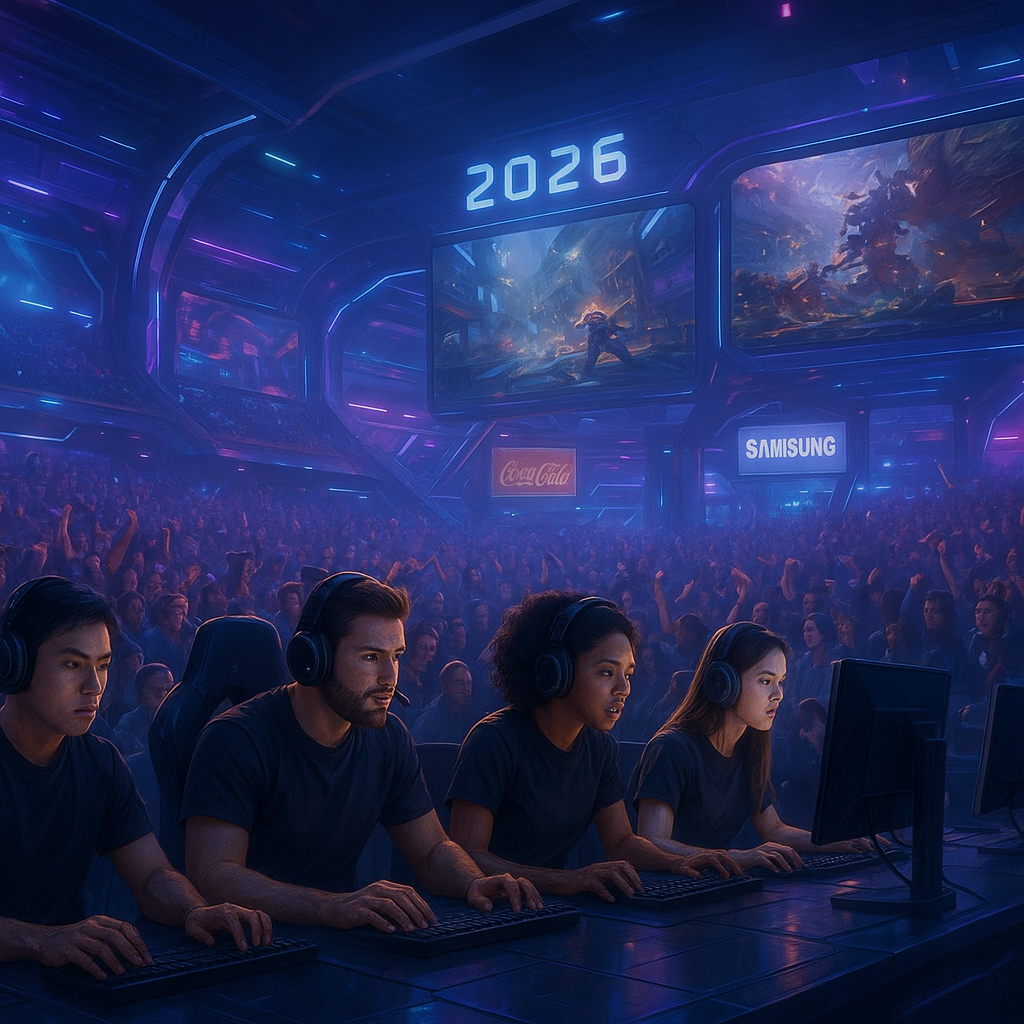
Fast forward to 2026, the landscape has diversified dramatically. Major tournaments are held in arenas seating tens of thousands, often accompanied by fan festivals, merchandise sales, and music performances. The integration of cutting-edge technology—such as AI-driven coaching tools and immersive VR spectator experiences—has further pushed the boundaries of engagement.
Notably, the professionalization of esports athletes has intensified, with many training full-time under rigorous regimens akin to Olympic athletes. This shift underscores the growing respect and legitimacy esports commands across the globe.
Industry Dynamics: Revenue, Viewership, and Market Segments
Esports' economic footprint has expanded substantially, with global revenues surpassing $3.5 billion in 2025, according to industry estimates. This growth is fueled by multiple revenue streams:
- Sponsorships and Advertising: Leading brands such as Nike, Intel, and Coca-Cola have inked multi-year deals with teams and tournaments, targeting the coveted Gen Z and Millennial demographics.
- Media Rights and Streaming: Platforms like Twitch, YouTube Gaming, and emerging decentralized streaming services compete fiercely for exclusive broadcasting rights.
- Merchandising and Ticket Sales: Franchised leagues, including the Overwatch League and Valorant Champions Tour, generate significant income through merchandise, in-person event tickets, and virtual goods.
- Game Publisher Investments: Companies like Riot Games and Blizzard invest heavily in ecosystem development, often subsidizing leagues to foster growth.
- Betting and Fantasy Esports: Legalized betting markets have matured, offering fans new avenues for engagement while raising regulatory considerations.
Viewership trends reveal a shift toward mobile and hybrid consumption modes. While PC and console remain dominant platforms, mobile esports titles like Mobile Legends: Bang Bang and PUBG Mobile boast massive audiences, especially in Asia. This diversification broadens accessibility and fan base demographics.
Esports also dovetails with gaming’s broader growth. In this context, you might enjoy exploring Video Games in 2026: Innovation, Impact, and Industry Evolution for deeper insights into the sector’s technological advances and cultural impact.
“The esports market’s fragmentation across platforms and genres is both a challenge and an opportunity for stakeholders aiming to capture and retain audiences.” — Market Research Director, Global Esports Federation
2026 Spotlight: Technological Innovations Shaping Esports Today
Advancements in technology have been pivotal in scaling esports to unprecedented heights. In 2026, several key innovations are driving the next wave of transformation:
- AI-Powered Analytics and Coaching: Esports teams now employ AI tools that analyze millions of data points per match to optimize strategies and player performance. These systems identify patterns unseen by human coaches, providing a competitive edge.
- Immersive VR and AR Spectator Experiences: Virtual reality arenas and augmented overlays allow fans to experience tournaments from new perspectives, blending physical and virtual attendance.
- Blockchain Integration: Decentralized platforms facilitate secure tournament organization, digital asset ownership, and transparent prize distribution, enhancing trust and fan participation.
- 5G and Edge Computing: These technologies ensure low-latency, high-quality streams worldwide, crucial for real-time competitive viewing and interactive fan engagement.
- Cross-Platform Play: Increasingly, games support seamless competition across devices, expanding player pools and audience reach.
Such innovations not only improve the competitive experience but also open new commercial avenues. For example, virtual merchandise and NFTs tied to esports events have become lucrative, with some rare items fetching six-figure sums at auction.
Moreover, esports organizations are collaborating with entertainment entities, blending music, fashion, and digital art into live events, creating multi-dimensional fan experiences. This convergence is reshaping how esports is perceived culturally and economically.
Voices from the Arena: Expert Perspectives and Industry Implications
Top industry leaders emphasize that esports’ rapid evolution requires agile management and forward-thinking regulation. Jane Liu, CEO of HyperGame Esports, explains, “We’re no longer just managing players and matches; we’re curating experiences, building global communities, and navigating complex digital economies.”
Regulatory bodies face challenges around player health, gambling, and intellectual property rights. The Global Esports Federation has introduced standardized guidelines to safeguard player welfare and promote fair competition, a critical move as esports integrates further into mainstream sports governance.
Experts also highlight the role of inclusivity and diversity. The industry has made strides in promoting gender balance and accessibility, but disparities persist. Initiatives supporting underrepresented groups and fostering grassroots talent pipelines are seen as vital for sustainable growth.
These themes resonate with broader cultural shifts, where esports is a platform for youth expression and social connection. TheOmniBuzz readers interested in broader entertainment trends may find value in How TV Shows Are Redefining Storytelling and Audience Engagement, which parallels esports’ community-driven narratives.
“Esports is not just competition; it’s a catalyst for cultural dialogue, innovation, and economic opportunity worldwide.” — Jane Liu, HyperGame Esports CEO
Looking Ahead: The Future Trajectory of Esports
What lies ahead for esports beyond 2026? Several trends and challenges will shape its trajectory:
- Increased Institutional Investment: Expect more traditional sports franchises and media conglomerates to enter esports, legitimizing it further.
- Enhanced Player Support Systems: Mental health programs, career transition services, and education initiatives will become standard as player longevity concerns grow.
- Global Expansion into Emerging Markets: Regions such as Africa and Latin America present untapped audiences and talent pools, fueled by mobile gaming proliferation.
- Regulatory Maturation: Governments will continue developing esports-specific policies, particularly around data privacy, gambling, and labor rights.
- Technological Convergence: Integration of AI, blockchain, and metaverse platforms will redefine engagement, ownership, and monetization models.
Stakeholders must balance commercial ambitions with community integrity and player welfare to sustain long-term growth. The next decade could see esports become as culturally ingrained as traditional sports, if not more so.
For those tracking gaming’s evolution, esports is a critical lens through which to understand shifting entertainment paradigms. Its interplay with technology, media, and youth culture makes it a bellwether for broader societal changes.
In closing, esports is more than competition—it’s a dynamic ecosystem reshaping how we connect, consume, and compete globally.