
From Bedroom Battlegrounds to Global Arenas: The Evolution of Esports
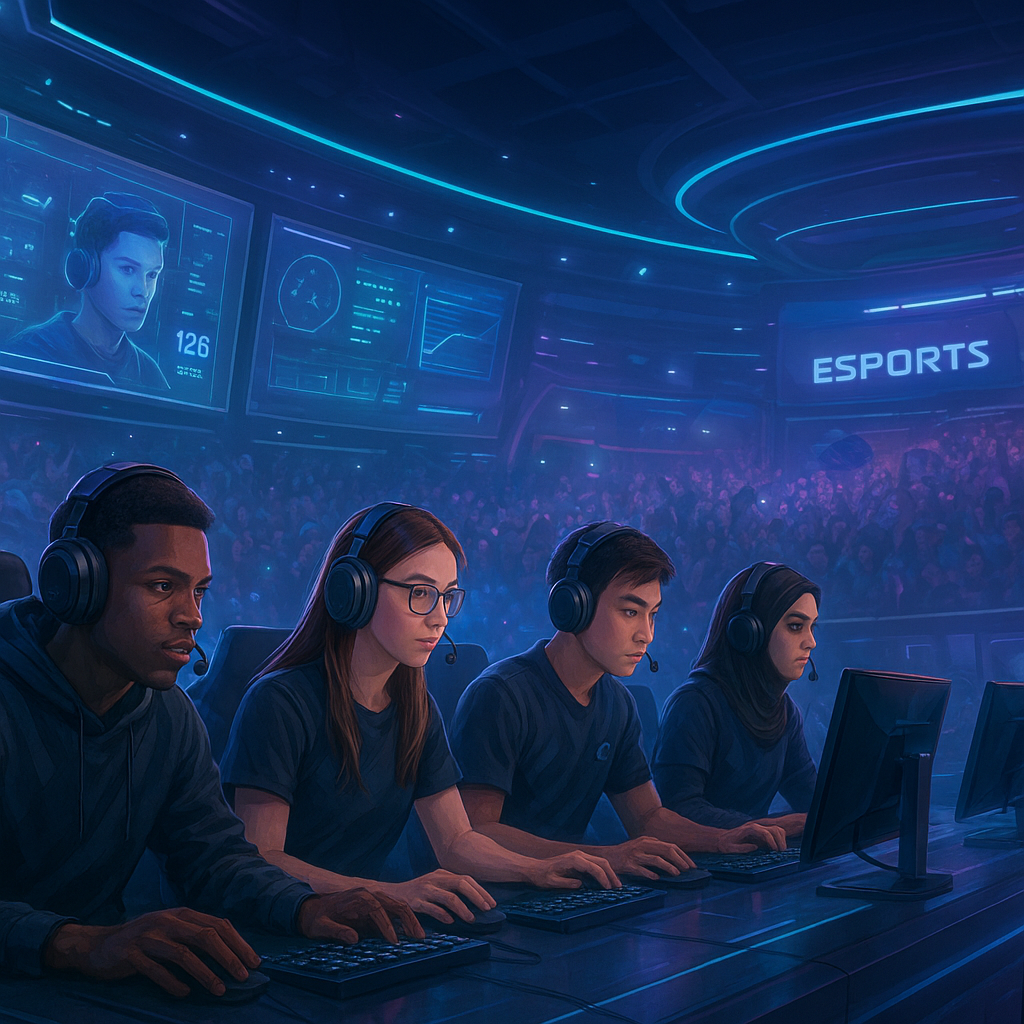
In a packed stadium in Seoul, South Korea, tens of thousands of fans erupted into cheers as the final kill was secured in the 2026 League of Legends World Championship. This scene, now a familiar spectacle, contrasts sharply with esports’ humble origins two decades ago. Initially confined to small LAN parties and niche online communities, competitive gaming has transformed into a multi-billion-dollar industry captivating millions globally.
As of 2026, esports tournaments regularly fill arenas rivaling those of traditional sports events. The global esports audience surpassed 650 million last year, according to industry estimates, with revenues exceeding $2.5 billion. This explosive growth is not merely a function of increased viewership but reflects esports’ deeper integration with mainstream culture, technology, and commerce.
Understanding how esports arrived at this pivotal moment requires tracing its trajectory—from grassroots competitions to franchised leagues backed by major corporations and governments. The journey highlights shifts in technology, demographics, and cultural attitudes toward gaming as a legitimate form of competition and entertainment.
For a detailed exploration of esports’ foundational forces and global surge, readers can refer to Inside Esports: Unraveling the Forces Behind Competitive Gaming’s Global Surge. This background enriches the context for examining how 2026 marks a new chapter in esports’ evolution.
"Esports is no longer a fringe pastime but a central pillar of digital entertainment and youth culture worldwide." — Industry analyst, Global Gaming Insights 2026
2026: A Year of Innovation and Expansion in Esports
The year 2026 is distinguished by significant technological and commercial milestones that are reshaping esports. One major driver is the integration of advanced AI-powered analytics and immersive technology, which are enhancing player performance and fan engagement.
Leading esports organizations now deploy machine learning models to optimize strategies and training regimens. For example, Team Zenith, one of the top-tier League of Legends teams, credits AI-driven data analysis for a 15% improvement in win rates this season, according to their head coach's interviews. This technological edge is becoming a critical differentiator in highly competitive environments.
Simultaneously, augmented reality (AR) and virtual reality (VR) have revolutionized how fans experience live events. Esports arenas equipped with mixed reality zones allow spectators to interact with 3D player stats, live game maps, and immersive replays. These innovations are not only boosting attendance but also expanding viewership across digital platforms.
From a business perspective, the esports ecosystem is witnessing unprecedented investment and diversification. Major traditional sports franchises from the NBA, NFL, and European football have deepened their esports portfolios, while non-endemic brands in automotive, fashion, and finance sectors are increasingly sponsoring teams and events. This diversification signals esports’ maturation as a commercial powerhouse.
For a comprehensive look at how technology is driving esports’ next phase, see How AI and Immersive Tech Are Shaping Esports’ Next Frontier.
"The fusion of AI and immersive tech is not just enhancing gameplay but transforming the spectator experience into something truly interactive and personalized." — CTO, MetaArena Esports 2026
Analyzing the Data: Esports Market Dynamics and Demographics
Data from the Esports Market Report 2026 reveals compelling trends shaping the industry’s trajectory. Below are key market and audience insights:
- Market Size: Global esports revenue reached $2.5 billion in 2025, projected to grow at a 12% CAGR through 2030.
- Audience Growth: The active esports viewership climbed to 650 million in 2025, with a growing segment aged 35 and above, indicating demographic broadening.
- Regional Shifts: While East Asia and North America remain dominant, emerging markets like Latin America and Southeast Asia are the fastest-growing, contributing over 20% of new viewers.
- Sponsorships and Advertising: These accounted for nearly 60% of esports revenues in 2025, with non-endemic brands increasing their share.
- Content Platforms: Streaming via platforms like Twitch, YouTube Gaming, and newly popular decentralized streaming services collectively command over 85% of live esports consumption.
These figures underscore esports’ expanding mainstream appeal and commercial viability. Notably, the diversification of age groups and regions underscores that esports is no longer confined to a youthful or Western audience.
Comparing esports to traditional sports, esports tournaments now rival major sporting events in viewership and sponsorship. The 2026 Dota 2 International, for instance, featured a prize pool of $45 million, the largest in esports history, attracting global media attention similar to the FIFA World Cup.
Such data-driven insights reveal the complex ecosystem where players, fans, brands, and technology intersect to propel esports forward.
Economic and Cultural Impact: Esports as a Catalyst for Change
Esports’ influence extends beyond entertainment, impacting broader economic and cultural domains. Economic analyses show that esports generates substantial employment opportunities, from players and coaches to event organizers, content creators, and technology developers.
In cities hosting major esports events, local economies benefit from tourism, hospitality, and infrastructure investments. For example, the 2025 Berlin Esports Festival contributed an estimated $30 million in local revenue, alongside urban development projects aimed at improving digital infrastructure.
Culturally, esports fosters new forms of social interaction and identity. Online communities and fan cultures around games like Valorant and Overwatch have evolved into vibrant ecosystems where creativity, collaboration, and competition coalesce. Esports also plays a role in breaking down traditional barriers related to gender and geography, with increasing visibility of female and non-binary players and teams from diverse regions.
However, challenges remain. Issues such as player burnout, mental health, and regulatory concerns about gambling and match-fixing are increasingly acknowledged by stakeholders. Industry bodies and governments are collaborating on frameworks to enhance player welfare and integrity.
This multifaceted impact is explored in depth in our analysis on How Esports Is Redefining Competition, Culture, and Commerce in 2026.
"Esports is redefining cultural norms and economic models, creating opportunities while demanding new responsibilities from all involved." — Cultural sociologist, Digital Media Forum 2026
Looking Ahead: What to Expect from Esports in the Coming Years
The trajectory of esports suggests both exciting opportunities and complex challenges ahead. Key areas to watch include:
- Technological Integration: Continued advances in AI, 5G, and immersive technologies will deepen engagement and potentially democratize participation through improved access.
- Regulatory Evolution: As esports gains legitimacy, expect more robust global governance around player contracts, intellectual property, and betting.
- Diversity and Inclusion: Efforts to diversify player bases and audiences will intensify, with programs targeting underrepresented groups gaining traction.
- Hybrid Event Models: Combining physical and virtual elements will become standard, expanding reach while preserving the excitement of live competition.
- Educational and Career Pathways: Esports academies, scholarships, and professional development programs will proliferate, legitimizing esports as a viable career.
For stakeholders—from players and sponsors to governments and fans—understanding these dynamics is crucial. Esports is poised to continue its ascent as a cultural and commercial phenomenon shaping the future of digital interaction.
As the sector matures, the balance between innovation, ethical governance, and community will determine how sustainably esports can grow worldwide.
"The future of esports depends on embracing technological innovation while fostering inclusive, ethical communities that prioritize player health and integrity." — CEO, Global Esports Federation 2026