From Basement LAN Parties to Global Arenas: The Rise of Esports
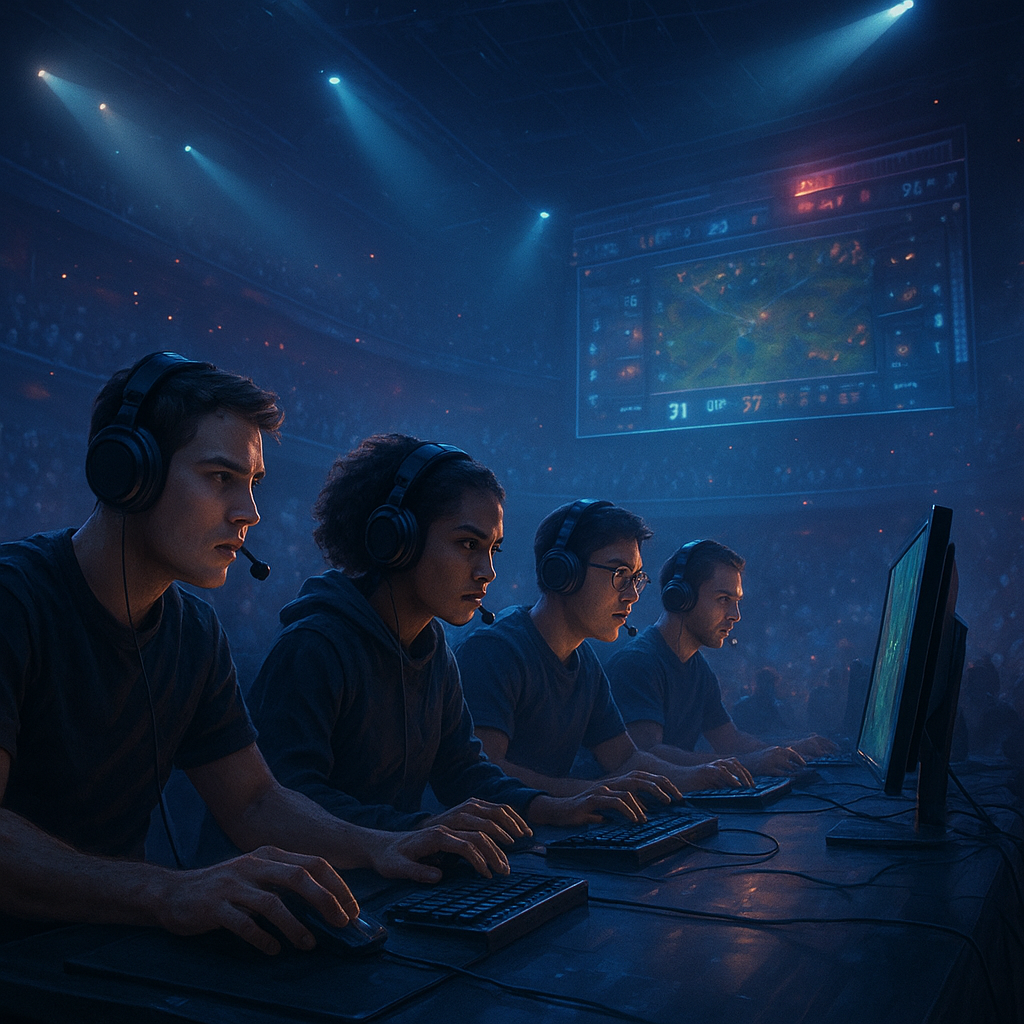
In 2026, esports stands as a vibrant, multifaceted ecosystem engaging hundreds of millions worldwide. Yet, its origins trace back to modest beginnings — small groups of friends competing in basement LAN parties and arcade tournaments during the 1990s. The seminal moment for esports arguably came with the launch of StarCraft: Brood War in South Korea, which transformed competitive gaming into a televised phenomenon with professional players and fanatical audiences. Fast forward over three decades, and esports commands packed stadiums, lucrative sponsorships, and multi-million-dollar prize pools rivaling traditional sports leagues.
Today’s esports scene is a global industry with a projected market value exceeding $3.5 billion in 2026, driven by digital platforms, mobile gaming, and innovative broadcast technologies. The evolution from niche hobby to mainstream entertainment reflects broader shifts in technology, consumer behavior, and cultural acceptance. But what exactly fuels esports’ unprecedented growth — and what does the future hold for this dynamic sector?
As we explore this complete guide to esports, we’ll dissect its historical context, dissect the core competitive genres, analyze the economic landscape, highlight recent developments, and peer into emerging trends shaping the next chapter in competitive gaming.
The Genesis and Evolution of Competitive Gaming
The esports journey is inseparable from the rapid advancement of video games and connectivity infrastructure. Early arcade cabinets in the 1980s sowed the seeds, with high-score challenges creating a competitive spirit. However, the 1990s brought PC games like Doom, Quake, and Warcraft III that enabled networked multiplayer battles, setting the stage for organized competition.
South Korea’s esports boom in the early 2000s, fueled by StarCraft and broadband penetration, crystallized the industry model: professional teams, televised matches, and corporate sponsorships. By the 2010s, global titles such as League of Legends, Dota 2, and Counter-Strike: Global Offensive propelled esports onto the international stage.
Key milestones include the establishment of The International in 2011, with its then-record $1 million prize pool, and the emergence of franchised leagues like the Overwatch League in 2018, which introduced structured seasons and city-based teams.
“Esports transformed from an underground pastime into a global industry reflecting shifts in digital culture and media consumption,” says Dr. Mei Lin, a gaming historian at the University of California.
This historical arc underscores how technological advancements, community passion, and strategic investment converged to build the esports ecosystem we see today.
Core Esports Genres and Their Competitive Ecosystems
Esports is not monolithic; it encompasses diverse genres, each with unique gameplay mechanics, audiences, and competitive structures. Understanding these core categories is essential for grasping esports’ breadth.
- Multiplayer Online Battle Arenas (MOBAs): Games like League of Legends and Dota 2 dominate viewership and prize money. These team-based strategy games focus on map control, hero selection, and coordinated tactics.
- First-Person Shooters (FPS): Titles such as Counter-Strike: Global Offensive, Valorant, and Overwatch emphasize precision aiming, reflexes, and teamwork in fast-paced combat scenarios.
- Battle Royale: Emerging prominently in the late 2010s, games like Fortnite and Apex Legends blend survival mechanics with last-player-standing objectives, attracting younger demographics.
- Sports Simulators: FIFA, NBA 2K, and Rocket League bring traditional sports fans into the digital arena, combining familiar rules with electronic gameplay.
- Fighting Games: Classics such as Street Fighter and Super Smash Bros. focus on individual skill, timing, and combos, supported by passionate grassroots scenes.
Each genre has cultivated unique tournament formats, player archetypes, and fan cultures. For example, MOBAs often feature multi-day international tournaments with million-dollar prize pools, while fighting games thrive on smaller, community-driven events like EVO.
Prize pools and viewership vary widely by genre. According to industry estimates, MOBAs represent over 45% of esports revenue, with FPS games close behind. This variance reflects the diverse monetization strategies and audience engagement models inherent to each game type.
“The diversity of esports titles allows the industry to appeal to a broad global audience, each with distinct preferences and competitive nuances,” explains Carlos Mendoza, esports analyst at Newzoo.
Economic Landscape and Business Models in 2026
Esports’ financial ecosystem is robust and multifaceted. By 2026, the industry’s revenue streams exceed $3.5 billion globally, fueled by sponsorships, media rights, merchandise, ticket sales, and direct consumer spending.
Major revenue sources include:
- Sponsorships and Advertising: Brands from tech giants like Nvidia and Intel to non-endemic companies such as automotive and beverage firms invest heavily in esports partnerships.
- Media Rights and Streaming: Platforms like Twitch, YouTube Gaming, and emerging decentralized streaming services compete aggressively for exclusive rights to broadcast tournaments and league matches.
- Merchandising and Ticketing: Live events, now attracting tens of thousands in arenas, generate substantial income from tickets, apparel, and collectibles.
- Game Publisher Support: Many esports ecosystems depend on developer backing, including in-game item sales linked to competitive events.
- Team Franchising and Player Salaries: Established leagues operate on franchise models, offering players salaries, benefits, and revenue sharing.
Esports organizations are increasingly adopting hybrid business models combining competitive success with content creation, influencer marketing, and fan engagement to diversify income.
Despite growth, financial sustainability challenges persist, particularly for smaller teams and emerging regions. Prize pools remain concentrated in a handful of blockbuster tournaments, while operational costs for teams and event organizers continue to rise.
According to industry reports, the average top-tier esports player salary in 2026 ranges between $150,000 and $400,000 annually, supplemented by sponsorships and streaming revenue. Contrast this with the global average esports viewer spending approximately $30 annually on related content and merchandise, underscoring the importance of fan monetization.
2026 Developments: Next-Gen Technologies and Market Expansion
The current year marks significant milestones in esports technology and market dynamics. Immersive technologies such as augmented reality (AR) and virtual reality (VR) have begun transforming viewer experiences and training methodologies.
In 2026, the integration of AI-powered analytics tools enables teams to optimize strategies and player performance with unprecedented precision. AI-driven coaching assistants analyze opponents’ playstyles in real-time, while biometric data collection enhances physical and mental conditioning.
Furthermore, mobile esports has surged, particularly in Southeast Asia and Latin America, driven by improved 5G infrastructure and localized game adaptations. Titles like Mobile Legends: Bang Bang and PUBG Mobile regularly attract millions of concurrent viewers, rivaling PC and console tournaments.
Major esports events have also expanded geographically. The 2026 World Esports Championship, held across Dubai and Singapore, attracted record attendance and showcased esports’ growing acceptance in Middle Eastern markets.
“The fusion of immersive technologies and expanding global markets is rewriting the esports playbook,” notes Priya Nair, director of esports strategy at TechFrontiers.
Simultaneously, regulatory frameworks evolve as governments seek to balance support for esports growth with concerns over gambling, player welfare, and intellectual property rights.
For a deeper exploration of these trends, see our detailed coverage on how esports is redefining competition, culture, and commerce and how AI and immersive tech are reshaping gaming.
Looking Ahead: Challenges and Opportunities for Esports
Despite its spectacular rise, esports faces critical challenges and opportunities that will shape its trajectory over the next decade.
- Player Health and Longevity: The intense competition environment places physical and mental strain on pro gamers. Increasing emphasis on wellness programs and career transition support is emerging as a priority.
- Diversity and Inclusion: Efforts to broaden representation across gender, race, and geography are gaining momentum but remain uneven across titles and regions.
- Monetization Innovation: Web3 technologies, including blockchain-based collectibles and decentralized fan engagement platforms, promise new revenue avenues but require cautious implementation.
- Regulatory Harmonization: Establishing consistent global standards for player contracts, gambling regulation, and tournament integrity will be crucial to sustainable growth.
- Technological Integration: Continued adoption of AI, AR/VR, and 5G connectivity will redefine how esports is played, viewed, and monetized.
“Esports’ future hinges on balancing rapid innovation with responsible governance and community values,” emphasizes Daniel Kim, CEO of Vanguard Esports Group.
For esports stakeholders — from players and teams to investors and fans — staying informed and agile remains essential. As the industry matures, those who embrace emerging technologies, foster inclusivity, and prioritize sustainability will lead the next wave of esports evolution.
For those new to competitive gaming or seeking to deepen their understanding, the comprehensive nature of esports today is best appreciated by engaging with its diverse games, communities, and business models.
To explore how esports culture and commerce intertwine in 2026, you might enjoy our analysis on TheOmniBuzz. Additionally, our piece on why so many game reviews miss the mark offers valuable perspective on player engagement and critical reception in gaming communities.