Understanding the Shifting Paradigm of Health
The notion of health has evolved dramatically over recent decades. By 2026, the traditional focus on disease treatment has expanded into a comprehensive approach emphasizing prevention, mental well-being, and personalized care. This transformation is driven by advances in technology, shifting societal values, and a deeper understanding of the multifaceted nature of health.
Consider the fact that global healthcare expenditures surpassed $12 trillion in 2025, with a significant portion redirected towards wellness and preventive services, according to industry estimates. This highlights a major shift not only in how individuals approach their health but also in how systems organize resources.
“Health is no longer simply the absence of illness but the presence of vitality and balance across physical, mental, and social domains,” explains Dr. Alicia Moreno, a leading health strategist.
Such a holistic perspective has paved the way for innovations that integrate lifestyle, environment, and genetics. The emerging paradigm challenges healthcare providers to think beyond traditional clinical settings, incorporating digital tools, community engagement, and behavioral science.
This article explores the key forces reshaping health and wellness today, backed by data and expert insights, while providing a lens into what the future holds.
Historical Context: From Reactive Care to Proactive Wellness
The trajectory of health systems reveals a gradual pivot from reactive illness management to proactive wellness strategies. In the 20th century, health care mainly focused on acute care—treating infections, injuries, and chronic diseases after onset. The introduction of antibiotics, vaccines, and surgical advancements saved countless lives but often overlooked prevention.
By the early 2000s, chronic conditions like diabetes, heart disease, and obesity became dominant drivers of morbidity worldwide. This epidemiologic shift exposed limitations in a system oriented towards episodic care. Governments and health organizations began emphasizing lifestyle factors, nutrition, and early screenings.
Technological innovations accelerated this shift. The proliferation of electronic health records enabled better data tracking, while wearable devices started empowering individuals to monitor their own health metrics. Public health campaigns raised awareness about smoking cessation, physical activity, and mental health.
Yet, the fragmentation between physical health, mental wellness, and social determinants remained a challenge. It was only after the widespread adoption of integrated care models in the late 2010s and early 2020s that a unified approach started gaining traction.
Today’s health landscape is thus the product of decades of gradual reform, responding to demographic changes, technological breakthroughs, and societal demands for more personalized, accessible, and equitable care.
Core Drivers of Health Transformation in 2026
Several interrelated factors stand out as critical in redefining health and wellness this year. These include:
- Technological Integration: The rise of AI-powered diagnostics, telemedicine, and digital therapeutics has revolutionized care delivery. AI algorithms can now analyze medical images with accuracy rivaling specialists, improving early detection of diseases such as cancer and cardiovascular conditions.
- Personalized Medicine: Genomic sequencing and biomarker profiling enable treatments tailored to individual biology. This approach increases effectiveness and reduces side effects, particularly in oncology and rare diseases.
- Mental Health Recognition: Mental health has moved from stigma to priority, reflected in policy changes and workplace initiatives. Awareness campaigns and technological tools like app-based cognitive behavioral therapy have expanded access.
- Social Determinants and Equity: Health disparities have gained sharper focus, prompting investments in community health, housing, food security, and education as integral to wellness.
- Preventive and Holistic Care Models: Emphasis on nutrition, exercise, mindfulness, and sleep hygiene is now mainstream, supported by evidence linking these factors to longevity and quality of life.
These drivers interact dynamically. For instance, AI-enhanced wearables not only track physical activity but also monitor mental health indicators, enabling real-time interventions.
“The convergence of technology and human-centered care is enabling a new era where health is continuously managed rather than episodically treated,” says Dr. Ravi Kumar, Chief Innovation Officer at a global healthcare firm.
Current Developments Shaping Health in 2026
This year has witnessed significant milestones that underscore the ongoing transformation of health and wellness:
- Expansion of Digital Health Ecosystems: Over 75% of adults in developed countries now regularly use health apps or wearables for monitoring, according to recent surveys. The interoperability of these platforms with healthcare providers’ systems facilitates seamless data sharing and personalized recommendations.
- Breakthroughs in Longevity Research: Clinical trials on senolytic drugs, which target aging cells, have shown promising results in improving physical function and reducing age-related diseases. Companies like ReGenX and BioVita lead this frontier.
- Workplace Wellness Integration: Corporations increasingly embed health programs into daily operations, recognizing their impact on productivity and employee retention. Initiatives include stress management workshops, on-site fitness facilities, and mental health days.
- Policy Shifts Toward Universal Preventive Coverage: Several nations have implemented reforms ensuring preventive screenings, vaccinations, and lifestyle counseling are covered without out-of-pocket costs, reducing barriers to early intervention.
- Rise of Community-Based Health Models: Pilot programs in urban and rural areas blend telehealth with local health workers to address social determinants and increase outreach, demonstrating improved outcomes in chronic disease management.
These developments reflect a broader societal commitment to comprehensive health as a foundation for economic and social well-being.
For readers interested in deeper insights on wellness approaches, this analysis of fitness strategies offers valuable perspectives aligned with current trends.
Expert Perspectives and Industry Impact
Industry experts emphasize that the health sector’s evolution is both an opportunity and a challenge. On one hand, the integration of technology and personalized care promises improved outcomes and patient empowerment. On the other, it raises concerns around data privacy, equity, and the digital divide.
Pharmaceutical companies are pivoting to focus more on precision therapeutics and preventive solutions rather than solely blockbuster drugs. Healthcare providers are investing heavily in training staff to utilize new tools effectively while maintaining the human touch critical to care.
Insurance firms are adapting models to incentivize healthy behaviors and early interventions, leveraging predictive analytics to customize plans. At the same time, regulators face the complex task of balancing innovation with patient safety and ethical considerations.
“True transformation requires aligning incentives across stakeholders—patients, providers, payers, and policymakers—to create a sustainable health ecosystem,” says Elena Torres, a healthcare policy analyst.
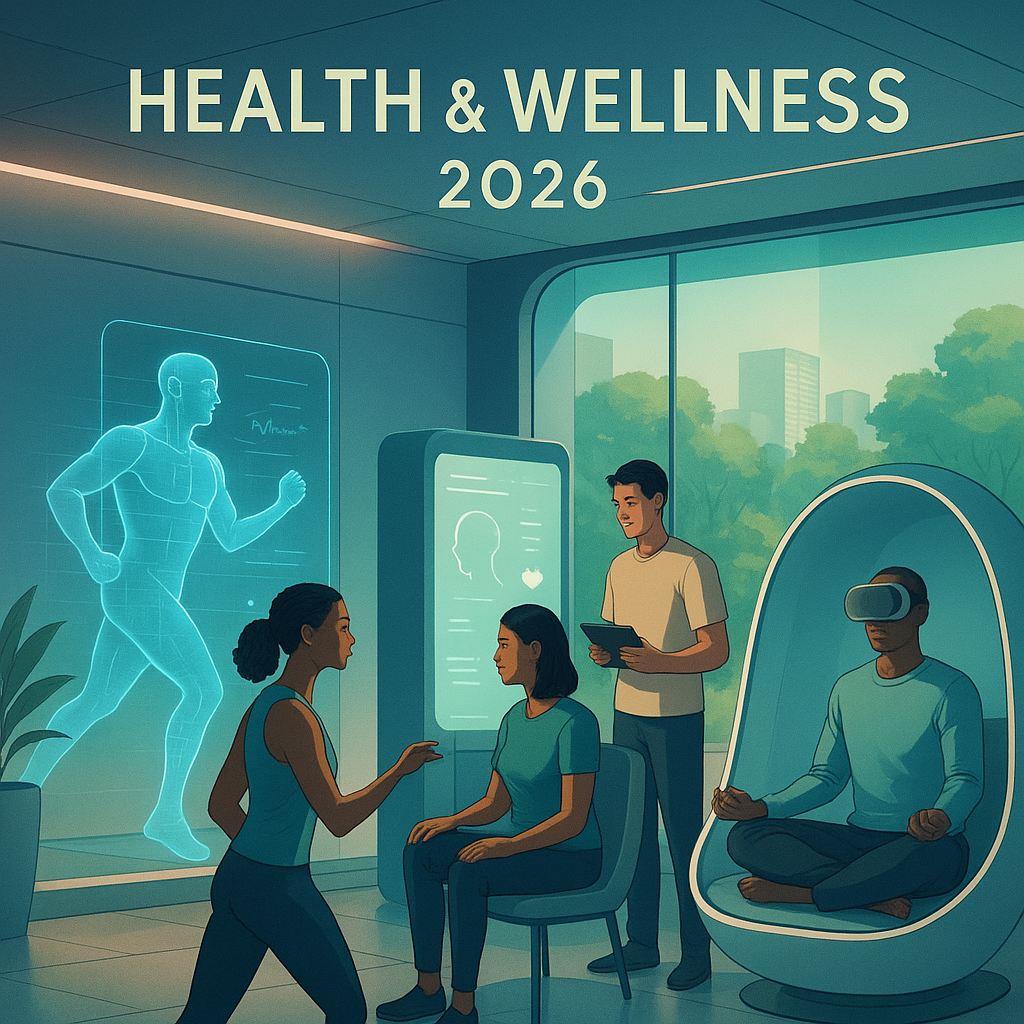
Moreover, the wellness industry has expanded beyond traditional domains, encompassing mental health apps, nutritional tech, and virtual reality therapies. This diversification reflects consumer demand for integrated, accessible, and evidence-based options.
These shifts also impact global health dynamics. Low- and middle-income countries are selectively adopting digital tools to leapfrog traditional infrastructure challenges, though disparities persist. International collaborations aim to share knowledge and technologies equitably.
Readers interested in the systemic evolution of health can explore this comprehensive overview of health innovations and challenges for additional context.
Looking Ahead: What to Watch in Health and Wellness
The trajectory of health in the coming years will be shaped by several critical developments:
- Artificial Intelligence Maturation: AI algorithms will become more adept at integrating multi-dimensional data — genetic, environmental, behavioral — to provide truly personalized health forecasts and interventions.
- Expansion of Mental Health Integration: Expect broader incorporation of mental health screening and support within primary care and workplace settings, supported by policy reforms and destigmatization efforts.
- Advances in Longevity and Regenerative Medicine: Gene editing, stem cell therapies, and microbiome modulation are poised to redefine aging and chronic disease management.
- Focus on Health Equity: Targeted investments and policy innovations will aim to close gaps in access and outcomes, particularly for marginalized populations.
- Consumer Empowerment and Data Ownership: Patients will increasingly control their health data, choosing how it is shared and monetized, reshaping health economics.
Monitoring these trends will be essential for stakeholders across sectors. The emphasis will be on fostering collaboration, ensuring ethical frameworks, and maintaining focus on human-centered care.
“The future of health hinges on our ability to harness technology without losing sight of empathy, equity, and dignity,” notes Dr. Moreno.
For readers seeking a curated list of influential factors shaping health, this article provides a detailed examination aligned with emerging data.
Case Studies: Real-World Applications Demonstrating Impact
Several real-world examples illustrate how these trends materialize into tangible benefits:
- City of Helsinki’s Digital Health Hub: This initiative integrates AI-powered diagnostics with community health workers to provide personalized care plans, resulting in a 15% reduction in hospital readmissions over two years.
- BioVita’s Senolytic Clinical Trials: Participants aged 65-80 showed marked improvements in muscle strength and cognitive function after six months, suggesting potential for delaying age-related decline.
- Global Workplace Wellness Consortium: A multi-national study found that companies investing in comprehensive wellness programs saw a 20% increase in employee satisfaction and a 10% decrease in absenteeism.
- Rural Telehealth Expansion in Kenya: Combining satellite internet and local clinics, this program reduced maternal mortality by improving prenatal care access.
These cases underscore the importance of tailored approaches and cross-sector collaboration in advancing health outcomes.
In summary, the health landscape in 2026 is characterized by integrated technologies, personalized care, and a holistic focus on well-being. The ongoing transition requires vigilance to ensure equitable access and ethical practice. However, the promise of longer, healthier lives is becoming increasingly attainable.