
Understanding the Modern Health Paradigm: A New Beginning
In the early hours of a cool October morning, a group of researchers at the Global Institute of Health Innovation (GIHI) unveiled a striking report: despite unprecedented advances in medicine, global rates of chronic disease continue to surge. Cardiovascular disease, diabetes, and mental health disorders now represent a staggering 70% of the global disease burden, according to the World Health Organization’s latest figures. This paradoxical reality—where technology and knowledge have never been more advanced, yet health outcomes lag—poses a critical question: What truly defines health in 2026?
Health is no longer confined to the absence of illness. Instead, it encompasses a holistic interplay of biological, psychological, social, and environmental factors. The shift towards this integrated view reflects growing evidence that successful health outcomes depend as much on lifestyle, mental resilience, and environment as on pharmaceutical breakthroughs.
The scene is set for a profound transformation, driven by data, innovation, and the evolving human experience. As we explore the current health landscape, we uncover how scientific breakthroughs, behavioral science, and societal changes are converging to redefine wellness in tangible and sometimes surprising ways.
Tracing the Evolution: From Disease-Centric to Wellness-Oriented Care
The journey to today’s health paradigm has been shaped by centuries of medical milestones and shifting societal values. Traditional medicine for much of human history focused on acute illness and infectious disease. The 20th century’s medical revolution—vaccines, antibiotics, and surgical advancements—dramatically reduced mortality from infections, ushering in an era dominated by chronic disease management.
However, the latter half of the 20th century exposed limitations in this disease-centric model. Rising rates of obesity, diabetes, and mental health disorders highlighted that treating symptoms was insufficient without addressing root causes. This realization fueled the emergence of preventive medicine, emphasizing lifestyle factors such as diet, exercise, and stress management.
Meanwhile, technological advances enabled the collection of vast amounts of health data, from genomics to wearable sensors, setting the stage for personalized medicine. Health systems began integrating behavioral health and social determinants, recognizing that health is deeply influenced by socioeconomic status, education, and environment.
These changes culminated in the wellness movement of the 21st century, which advocates for proactive, comprehensive care. Yet, as TheOmniBuzz’s 2026 review notes, many health systems still struggle with balancing innovation and accessibility, highlighting the complexity of this ongoing transition.
Data-Driven Insights: The Health Landscape in Numbers
To grasp the scope of health challenges and opportunities in 2026, it’s essential to examine key data points shaping public health strategies worldwide.
- Chronic Disease Prevalence: According to the Global Burden of Disease Study, non-communicable diseases (NCDs) account for nearly 74% of all deaths globally, with cardiovascular diseases and diabetes leading the charge.
- Mental Health Epidemic: The WHO estimates that one in five adults experiences a mental health disorder annually, with depression and anxiety disorders increasing by 25% over the past decade.
- Healthcare Access: Despite advances, 30% of the global population lacks access to essential health services, disproportionately impacting low-income communities.
- Technology Adoption: Over 60% of adults in developed countries now use digital health tools, ranging from telemedicine to AI-driven diagnostics, a sharp rise from just 20% in 2020.
These figures underscore the dual realities of progress and persistent inequities. Innovations such as AI-powered diagnostics and personalized nutrition plans are reshaping clinical care, yet systemic barriers limit their reach.
“Health is a multifaceted construct—addressing it requires integrating biological, psychological, social, and technological dimensions,” notes Dr. Amina Shah, Chief Epidemiologist at GIHI.
Furthermore, the economic burden of chronic diseases continues to rise, with global healthcare spending projected to exceed $12 trillion annually by 2030. This trajectory challenges governments and private sectors to balance cost containment with quality care.
In exploring these complexities, it is evident that no single intervention suffices. Instead, multi-layered strategies that combine prevention, early detection, and personalized treatment are essential for meaningful impact.
2026 Breakthroughs: Technology and Mindset Shaping Health
This year marks a turning point where technology and human behavior converge to redefine health outcomes. From artificial intelligence (AI) to integrative wellness practices, innovation is both accelerating and democratizing health care.
AI-driven diagnostics have matured significantly. Algorithms can now analyze complex imaging and genomic data with accuracy surpassing traditional methods, enabling earlier detection of cancers and genetic diseases. Companies like MedAI and NeuroScan have rolled out platforms integrating real-time biometric data from wearables, offering continuous health monitoring that anticipates medical events before symptoms emerge.
Telehealth, once a pandemic necessity, has become a permanent fixture. It enhances access, especially in rural and underserved areas, bridging gaps in mental health services where stigma and provider shortages once prevailed. Our analysis of mental health trends highlights how digital therapeutics and virtual support groups are reducing barriers and improving patient outcomes.
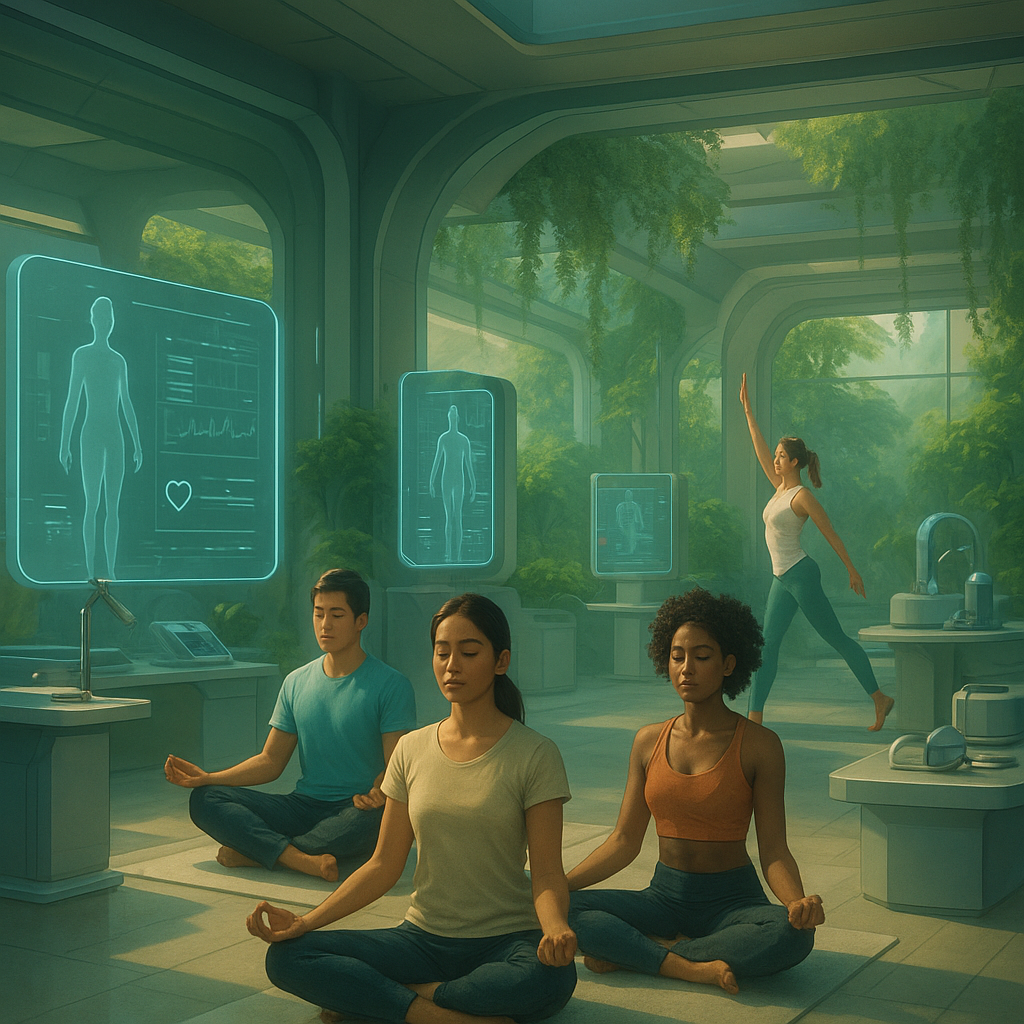
Beyond technology, there is a growing emphasis on mindset and community. Holistic approaches integrating mindfulness, social connection, and purpose-driven living show measurable benefits. The rise of biohacking communities and personalized wellness plans, often guided by genetic and microbiome data, reflect a shift toward individual empowerment.
“Technology is a tool, but sustainable health depends on a fundamental shift in how individuals relate to their bodies and environments,” says Dr. Karen Liu, a behavioral health specialist.
- Key 2026 Health Innovations:
- Advanced AI diagnostics with 95% accuracy for early-stage diseases
- Wearable biosensors monitoring over 50 physiological markers continuously
- Virtual Reality therapies for PTSD and chronic pain management
- Personalized nutrition plans based on microbiome sequencing
These developments not only improve clinical outcomes but also promote prevention and patient engagement, essential for long-term wellness.
Expert Perspectives: Industry Leaders on Health’s Future
Leading voices across medicine, technology, and public health converge on several key themes shaping the future of health.
Dr. Elena Martinez, CEO of BioWell Technologies, emphasizes the importance of equitable innovation. “We must ensure that cutting-edge health solutions do not widen disparities. Accessibility, affordability, and cultural relevance are critical to truly transformative impact.”
Meanwhile, public health advocate Raj Patel points to environmental determinants. “Climate change, urbanization, and pollution are silent drivers of disease. Integrating environmental sustainability with health policy is paramount.”
From the wellness industry, holistic health pioneer Dr. Maya Singh highlights the role of mental and social well-being. “Physical health is deeply interconnected with emotional and social health. Addressing isolation, stress, and purpose can prevent many chronic conditions.”
These perspectives align with emerging research documenting the profound influence of social determinants on health outcomes. As TheOmniBuzz detailed in 2026, factors such as housing stability, education, and social connectivity rank alongside genetics and lifestyle in determining health trajectories.
Looking Ahead: Navigating the Complex Road to Wellness
As we move forward, health will increasingly be defined by complexity rather than simplicity. The integration of advanced technology, personalized care, and social context offers unprecedented opportunities but also poses challenges.
Key areas to watch include:
- Data Privacy and Ethics: The proliferation of personal health data demands robust protections and transparent policies to maintain trust and prevent misuse.
- Health Equity: Bridging gaps in access and outcomes remains urgent. Innovations must be designed with inclusivity at their core.
- Behavioral Change Support: Technology alone cannot drive lasting change without addressing motivation, environment, and social support.
- Environmental Health: Climate resilience and pollution reduction will become integral to public health strategies.
- Integration of Care: Seamless coordination between mental, physical, and social care will improve effectiveness and patient experience.
“True health is a dynamic balance—achieved through science, compassion, and community,” reflects Dr. Shah from GIHI.
Individuals looking to optimize their wellness should focus on evidence-based strategies: maintaining balanced nutrition, regular physical activity, mental health practices, and leveraging technology wisely. Our earlier coverage on nutrition’s silent revolution and fitness strategies provide actionable insights to support these efforts.
Ultimately, health in 2026 is a collective endeavor—where innovation meets humanity, and science embraces the complexity of life.