
Revolutionizing Fitness: Why the Top 6 Approaches Matter Now
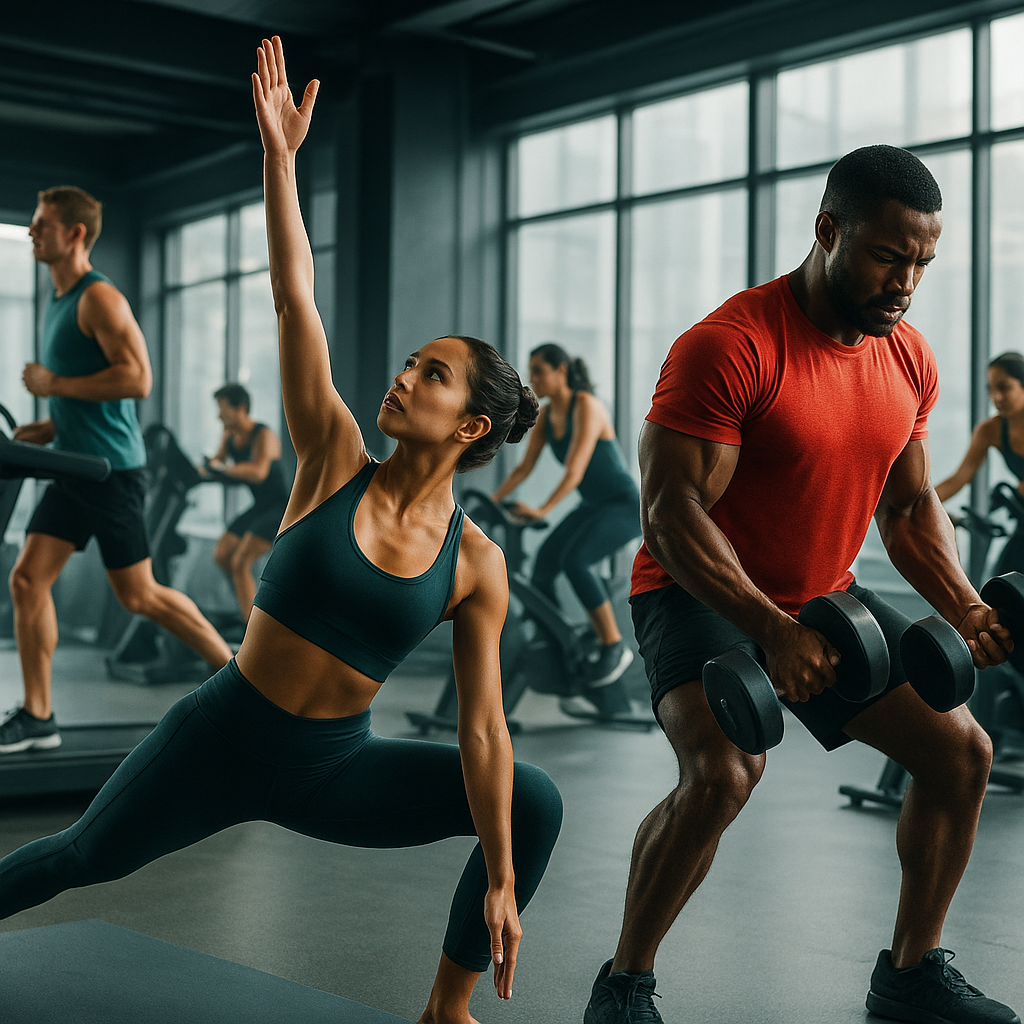
Imagine stepping into a bustling gym in mid-2026. The atmosphere is electric, but there are no longer rows of identical machines or individuals mindlessly repeating the same routines. Instead, the space is filled with a diverse array of fitness methods, each tailored to unique goals and backed by cutting-edge science. This transformation reflects a broader shift in understanding fitness—not merely as exertion but as a multifaceted pursuit of health and longevity.
Recent data from the Global Wellness Institute underscores this evolution. More than 72% of adults worldwide now engage in at least one of six primary fitness strategies proven to improve physical and mental health outcomes. This surge is partly driven by technology, partly by cultural shifts emphasizing personalized health, and partly by the growing body of research highlighting the limitations of traditional fitness models.
At the heart of this transformation are six distinct fitness approaches that have emerged as leaders in effectiveness and accessibility. These range from high-intensity interval training (HIIT) to holistic movement practices that integrate mind and body. Recognizing and understanding these top 6 fitness strategies is essential for anyone aiming to optimize health in 2026 and beyond.
"Fitness is no longer a one-size-fits-all endeavor; it's a dynamic, evolving set of practices that consider the whole person," says Dr. Meera Patel, a renowned exercise physiologist and advisor to wellness startups.
The Evolution of Fitness: From Monolith to Multifaceted
Historically, fitness was often synonymous with repetitive cardio or weightlifting, driven largely by cultural trends and limited by available knowledge. The 20th century saw the rise of jogging, aerobics, and bodybuilding as dominant fitness modes. However, these one-dimensional approaches increasingly failed to address the complex needs of diverse populations.
By the early 2020s, the fitness industry began grappling with several challenges: rising chronic diseases linked to sedentary lifestyles, burnout from repetitive exercise routines, and an increasing demand for mental health integration. The pandemic further accelerated changes by pushing people towards home workouts, digital platforms, and alternative fitness philosophies.
Consequently, the industry pivoted. Fitness expanded beyond physical capacity to encompass mental resilience, functional movement, and longevity. This paradigm shift was fueled by advances in sports science, wearable technology, and data analytics, enabling hyper-personalized fitness regimes.
As the 2020s progressed, six clear leaders emerged within this complex landscape:
- High-Intensity Interval Training (HIIT)
- Functional Fitness and Movement
- Mind-Body Integration Practices
- Strength Training with a Longevity Focus
- Tech-Enhanced Personalized Fitness
- Recovery and Regeneration Protocols
Each strategy addresses different dimensions of health, reflecting the complexity of human physiology and lifestyle demands. This multifaceted approach is crucial to achieving sustainable, meaningful fitness outcomes.
Analyzing the Top 6 Fitness Strategies: Data and Comparisons
To truly appreciate why these six fitness strategies dominate, it is essential to examine the data behind their effectiveness, scalability, and user satisfaction.
1. High-Intensity Interval Training (HIIT)
HIIT remains a powerhouse due to its efficiency and metabolic benefits. A 2025 meta-analysis published in the Journal of Sports Medicine found that HIIT protocols improved cardiovascular fitness by an average of 15% and reduced fat mass by 7% within just 8 weeks, outperforming steady-state cardio.
2. Functional Fitness and Movement
This approach emphasizes natural, multi-planar movements that enhance daily life activities and injury prevention. According to a 2026 survey by the American College of Sports Medicine, 63% of fitness professionals now recommend functional training as a foundational practice, citing improved joint health and balance.
3. Mind-Body Integration Practices
Yoga, Pilates, tai chi, and similar disciplines have surged in popularity, with studies demonstrating reductions in stress hormones and improvements in mental clarity and flexibility. The National Wellness Institute reported a 40% increase in participation in such practices since 2023.
4. Strength Training with a Longevity Focus
Strength training has evolved beyond muscle building toward enhancing skeletal health and metabolic function over the lifespan. Research from the Longevity Institute highlights that maintaining muscle mass through resistance training reduces all-cause mortality risk by up to 23% in older adults.
5. Tech-Enhanced Personalized Fitness
Wearables, AI-driven coaching, and real-time biometrics have revolutionized fitness personalization. Industry estimates suggest that by 2026, 55% of fitness consumers regularly use some form of technology-enhanced training, improving adherence and outcomes.
6. Recovery and Regeneration Protocols
Emphasizing rest, sleep, and active recovery has become mainstream. Methods such as cryotherapy, compression therapy, and guided meditation have shown to accelerate recovery and reduce injury risk, according to a recent report in the International Journal of Sports Recovery.
"The integration of recovery into fitness routines marks a fundamental shift toward sustainable health," notes Dr. Juan Carlos Ramirez, a leading sports medicine expert.
- Efficiency: HIIT offers maximal results in minimal time, ideal for busy schedules.
- Functionality: Functional training enhances quality of life by improving everyday movement.
- Holistic Benefits: Mind-body practices address mental and physical health simultaneously.
- Longevity: Strength training supports long-term vitality and disease prevention.
- Personalization: Tech tools tailor workouts to individual needs and progress.
- Recovery: Emphasizing rest reduces injury and improves performance sustainability.
Current Developments in 2026: Where Fitness Is Heading
The fitness landscape in 2026 is marked by rapid innovation and integration across disciplines. One significant trend is the convergence of technology with traditional fitness models, enabling real-time adaptation and enhanced motivation.
Fitness studios and gyms now routinely incorporate AI-driven analytics to customize workouts. Wearable devices have advanced to monitor biochemical markers such as cortisol and blood glucose, providing unprecedented insight into physiological stress and recovery needs. This data-driven approach allows users to optimize training loads and recovery windows, minimizing burnout.
Moreover, hybrid models blending virtual and in-person experiences have expanded access and flexibility. Platforms now offer immersive virtual reality fitness experiences that simulate outdoor environments or competitive settings, increasing engagement.
The social dimension of fitness has also evolved. Community-driven platforms facilitate peer support and accountability, which research consistently links to higher adherence rates. The emphasis on mental health within fitness programs has intensified, with mindfulness and stress management becoming core components rather than afterthoughts.
Another notable development is the increased focus on inclusivity and accessibility. Adaptive fitness programs for older adults, people with disabilities, and marginalized communities have grown significantly, addressing longstanding disparities in health outcomes.
For deeper insight into how tech is reshaping wellness, see our detailed analysis in How Tech and Wellness Trends Are Rewriting the Rules of Fitness.
Expert Perspectives and Industry Impact
Industry leaders and experts emphasize that embracing these six fitness strategies is essential not only for individual health but also for the broader wellness economy, which is projected to exceed $1.4 trillion globally in 2026.
According to fitness entrepreneur and author Lara Kim, "The future belongs to those who adopt a holistic, data-informed approach to fitness. The days of generic workout plans are over. Clients demand and deserve programs that reflect their unique physiology and goals." Her company has integrated all six strategies into a hybrid platform, reporting a 45% increase in client retention year-over-year.
Healthcare providers also recognize the preventive value of these fitness methods. Insurance companies have started incentivizing participation in certified fitness programs, acknowledging the cost-saving potential through reduced chronic disease incidence.
Moreover, universities and research institutions are increasingly collaborating with fitness tech companies to refine algorithms and validate outcomes. This symbiosis is crucial for sustaining innovation and ensuring evidence-based practices reach consumers.
"Fitness in 2026 is at the crossroads of science, technology, and human behavior," states Dr. Evelyn Grant, director of the Center for Health Innovation. "Harnessing these six strategies will define how we enhance population health moving forward."
Looking Ahead: What to Watch in Fitness
The trajectory of fitness in the coming years will likely deepen the integration of these six strategies, with some emerging themes to monitor closely:
- AI and Machine Learning: Enhanced predictive analytics will tailor fitness plans with even greater precision, adapting in real time to physiological feedback and lifestyle changes.
- Biometric Expansion: Advances in non-invasive sensors will broaden the range of measurable health markers, enabling more nuanced training and recovery protocols.
- Holistic Wellness Ecosystems: Fitness will further merge with nutrition, mental health, and sleep optimization in seamless digital and physical ecosystems.
- Global Accessibility: Efforts to democratize fitness will leverage technology and community models to reach underserved populations worldwide.
- Sustainability Focus: Eco-conscious fitness products and facilities will gain traction, reflecting broader societal values.
Individuals embarking on or refining their fitness journey should consider these trends alongside the six foundational strategies discussed. Tailoring a program that balances intensity, functionality, mindfulness, strength, technology, and recovery is the most promising path to sustained health.
For practical guidance on starting your fitness journey with these principles, our practical blueprint offers detailed steps backed by experts.
Case Studies: Real-World Applications of the Top 6 Fitness Strategies
Examining how individuals and organizations apply these fitness approaches reveals their transformative potential.
Case Study 1: Corporate Wellness with Functional Fitness
A multinational technology firm implemented a functional fitness program incorporating movement-based training and recovery protocols for its employees. Within 12 months, they reported a 30% reduction in musculoskeletal complaints and a 20% improvement in employee productivity metrics.
Case Study 2: Community Health Through Mind-Body Practices
A city-wide initiative in Copenhagen integrated yoga and mindfulness classes into public health offerings. The program saw a 35% decrease in reported stress levels among participants and a significant drop in healthcare visits related to anxiety and depression.
Case Study 3: Personalized Fitness Tech Startup
A startup leveraging AI to deliver personalized HIIT and strength training programs raised $50 million in Series B funding in early 2026, reflecting investor confidence in tech-enhanced fitness. User retention surpassed 80%, demonstrating the appeal and effectiveness of their approach.
These examples highlight how the top 6 fitness strategies not only improve individual health but also generate measurable benefits for organizations and communities.
"When fitness strategies are integrated thoughtfully, the ripple effects extend far beyond personal health," affirms Dr. Patel.
As the fitness industry continues to mature, understanding and embracing these six approaches will be critical for maximizing health outcomes in 2026 and beyond.
For a comprehensive exploration of how fitness trends are redefining health goals this spring, readers are encouraged to review How Fitness Trends Are Redefining Health Goals This May.