
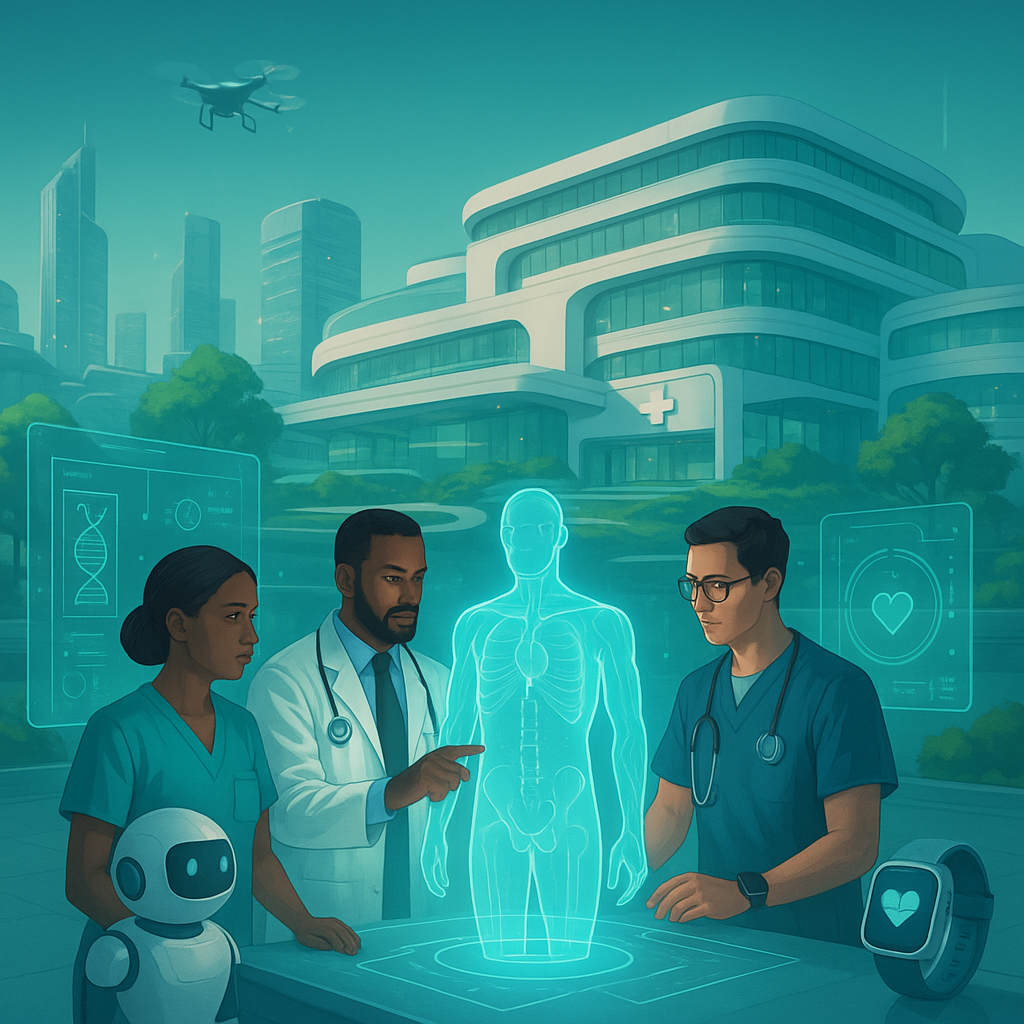
Opening the Door to a Healthier 2026: A Snapshot
In 2026, health is no longer confined to hospitals and clinics; it has become an integrated, data-driven, and personalized journey for millions worldwide. The World Health Organization reported that global life expectancy has reached an unprecedented 75.3 years, a milestone driven by advances in preventive care, digital health solutions, and chronic disease management. Imagine a 60-year-old patient in Tokyo, seamlessly monitoring vital signs via a nano-sensor implant, while AI algorithms predict and mitigate potential health risks before symptoms appear. This scene, once confined to science fiction, exemplifies how health in 2026 is being transformed by technology, policy, and societal shifts.
Yet, despite these advances, challenges persist: health disparities, mental health crises, and emerging infectious diseases require ongoing vigilance. The evolving understanding of health as a multifaceted concept—encompassing physical, mental, and social well-being—pushes us to rethink strategies for global wellness. This article explores the current state of health in 2026, backed by the latest data, expert insight, and emerging trends shaping the future.
“The convergence of AI, genomics, and wearable tech is redefining what it means to be healthy in 2026.” — Dr. Laura Hernandez, Chief Medical Officer, Global Health Futures
Tracing the Path: How We Arrived at Today’s Health Landscape
The health advancements seen in 2026 are the culmination of decades of scientific research, public health initiatives, and technological innovation. The early 21st century was marked by the rise of digital health records, telemedicine, and the initial integration of AI in diagnostics, laying the groundwork for today’s breakthroughs. The COVID-19 pandemic (2019-2022) acted as a catalyst, accelerating the adoption of remote healthcare and forcing global health systems to adapt rapidly.
Chronic diseases such as diabetes, cardiovascular conditions, and obesity have remained persistent challenges, but the approach to managing these illnesses has evolved. Precision medicine—tailoring treatment based on genetics and lifestyle—became a cornerstone, thanks to the Human Genome Project’s legacy and advancements in gene editing technologies like CRISPR. Additionally, health data interoperability standards established in 2020–2025 enabled seamless sharing of patient information across platforms and countries, fostering coordinated care.
Societal awareness has also shifted. Mental health, once stigmatized, now commands equal attention. Governments and private sectors have invested in programs addressing anxiety, depression, and stress, recognizing their impact on overall health. Environmental factors, including pollution and climate change, have been acknowledged as critical determinants of health, prompting global frameworks for healthier living conditions.
“Understanding health as a dynamic interplay of biology, behavior, and environment has been crucial to recent progress.” — Prof. Michael Chen, Epidemiologist, University of Toronto
Core Analysis: Data and Trends Defining Health in 2026
The most significant health trends in 2026 reflect a blend of technological innovation and shifting epidemiological patterns. According to recent data from the Global Health Observatory, non-communicable diseases (NCDs) account for over 70% of global deaths, underscoring the need for prevention and management strategies. However, infectious diseases remain a threat, with new zoonotic viruses emerging in tropical regions, necessitating sustained vigilance.
Artificial intelligence and machine learning now underpin many health services. A report by the International Health Data Institute (2026) revealed that 65% of clinical decision-making incorporates AI-generated insights, improving diagnostic accuracy and reducing human error. Wearable devices are ubiquitous, with over 1.5 billion users worldwide tracking metrics from heart rate variability to blood glucose levels in real time.
Vaccination coverage has expanded beyond traditional infectious diseases to include vaccines for cancers linked to viral infections, such as HPV-related cervical cancer. The global vaccine market reached $300 billion in 2025, reflecting the prioritization of preventive care. Telehealth visits represent 40% of all consultations in developed countries, making healthcare more accessible, especially in rural and underserved communities.
The mental health sector has seen dramatic innovation, with digital therapeutics and virtual reality therapies becoming mainstream. The World Mental Health Organization estimates a 15% reduction in depression and anxiety-related disability globally since 2020, credited largely to these interventions.
- Top 5 health technology trends in 2026: AI diagnostics, nano-sensors, gene editing therapies, digital therapeutics, and telehealth integration.
- Leading causes of death globally: Ischemic heart disease, stroke, chronic respiratory diseases, and newly emergent infectious diseases.
- Percentage of population with access to personalized health data platforms: 72% worldwide.
The economic implications are profound. Health tech startups raised over $85 billion in venture capital in 2025 alone, a sign of investor confidence. Governments are also increasing healthcare budgets, focusing on infrastructure modernization and workforce training to keep pace with innovation.
Current Developments in 2026: What’s Changing Now
Several breakthroughs are shaping health this year. The FDA-approved AI-powered implantable devices that continuously monitor blood chemistry markers have begun clinical rollout in the United States, Europe, and parts of Asia. These implants provide real-time alerts to patients and clinicians, enabling immediate intervention for conditions like heart arrhythmia and diabetes.
Another notable development is the expansion of global health data networks. The Global Health Data Alliance, launched in 2024, now includes 85 countries sharing anonymized patient data to track disease patterns, response to treatments, and vaccine efficacy. This unprecedented collaboration allows for faster detection of outbreaks and more efficient allocation of resources.
Policy-wise, governments are emphasizing health equity. The WHO’s 2026 Global Health Equity Report highlights increased funding for marginalized communities, especially in low- and middle-income countries. Programs aimed at reducing health disparities have led to improved maternal and child health outcomes, particularly in Sub-Saharan Africa and South Asia.
Environmental health initiatives have gained momentum as well. The integration of health impact assessments into urban planning is now standard practice in major cities like New York, London, and Singapore, promoting green spaces and reducing pollution exposure.
- Launch of the world’s first AI-driven global pandemic early warning system.
- Expansion of gene therapy approvals to include rare genetic disorders previously untreatable.
- Implementation of national digital mental health platforms in over 50 countries.
These developments reflect a health ecosystem that is increasingly interconnected, data-rich, and patient-centered.
Expert Perspectives and Industry Impact
Leading voices in healthcare emphasize the importance of interdisciplinary collaboration. Dr. Anita Kapoor, Director of the International Health Innovation Consortium, notes that “the future of health lies in breaking down silos between technology, medicine, and social sciences.” Industry leaders are responding by forging partnerships across sectors, from biotech firms to AI companies and public health agencies.
The pharmaceutical industry is undergoing transformation with the rise of personalized medicine. Companies like Genova Therapeutics and BioNexis have reported double-digit growth fueled by customized gene therapies and immunotherapies. This shift challenges traditional blockbuster drug models, demanding agility and innovation.
The insurance sector is adapting as well. Health insurance providers are incorporating real-time health data to tailor premiums and incentivize healthy behaviors. This dynamic pricing model encourages preventive care and reduces long-term costs.
Healthcare providers face both opportunities and challenges. The integration of advanced technologies requires significant workforce retraining, but it also promises to alleviate clinician burnout by automating routine tasks. Hospitals like Mayo Clinic and Karolinska Institute have become centers of excellence for AI-driven care models.
“Adapting to rapid technological change is essential, but maintaining empathy and human connection remains the core of effective healthcare.” — Dr. Samuel Ortega, Chief Innovation Officer, Karolinska Institute
Furthermore, the health tech startup ecosystem continues to flourish. Accelerators and incubators focusing on digital health solutions have doubled in number since 2023, fostering innovation at a rapid pace.
Looking Ahead: Future Outlook and Key Takeaways
As 2026 progresses, the trajectory of health appears promising yet complex. Several trends warrant close attention:
- Expansion of AI in predictive and preventive health: AI models will increasingly anticipate health risks, allowing earlier interventions and reducing disease burden.
- Greater emphasis on mental health integration: Digital and community-based solutions will further close treatment gaps worldwide.
- Environmental health as a global priority: Policies targeting pollution, climate resilience, and sustainable urban design will mitigate health risks tied to environmental change.
- Ethical and privacy challenges: The proliferation of health data necessitates robust frameworks to protect patient rights without stifling innovation.
The coming years will require balancing technological advancements with equity and ethical considerations. Patients will become active partners in their care, empowered by data and tools that were unimaginable just a decade ago.
For those interested in the intersection of health and technology, also worth reading is our feature on Artificial Intelligence in 2026, exploring how AI reshapes industries including healthcare. Additionally, you might enjoy insights from SEO in 2026, which highlights the digital strategies powering health communication and patient engagement online.
“The future of health is not just in curing diseases but in creating systems that support lifelong well-being for everyone.” — Dr. Elena Rios, President, National Hispanic Medical Association
Ultimately, embracing innovation while prioritizing human-centered care will define the next chapter in global health. Stakeholders from governments, industry, and communities must collaborate to ensure that the benefits of progress reach all corners of society.