
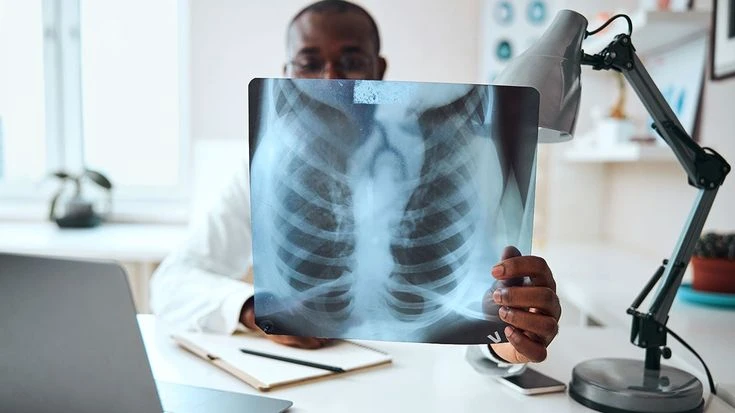
Radiology plays a crucial role in modern healthcare, helping doctors diagnose, monitor, and treat a wide range of medical conditions with accuracy and speed. Choosing the right healthcare facility is equally important, and a trusted Best Multispecialty Hospital in Gurgaon ensures access to advanced imaging technologies and expert care under one roof. From simple X-rays to complex MRI scans, radiology has transformed the way diseases are detected and managed, making it an essential part of patient care.
What is Radiology?
Radiology is a branch of medicine that uses imaging techniques to visualize the internal structures of the body. These images help healthcare professionals identify abnormalities, diagnose illnesses, and plan treatments effectively. Radiologists are medical doctors specialized in interpreting these images and providing detailed reports to guide other physicians.
Medical imaging has evolved significantly over the years. Earlier, diagnosis relied heavily on physical examination and limited tools. Today, radiology provides clear, precise, and non-invasive insights into the human body, improving patient outcomes and reducing the need for exploratory surgeries.
Types of Medical Imaging Techniques
Radiology includes several imaging techniques, each designed for specific diagnostic purposes. Understanding these methods can help patients feel more confident and informed when undergoing tests.
X-ray Imaging
X-rays are one of the most commonly used imaging techniques. They are especially useful for detecting fractures, infections, and lung conditions. X-rays are quick, painless, and widely available.
Computed Tomography (CT Scan)
CT scans combine multiple X-ray images to create detailed cross-sectional views of the body. They are commonly used for detecting tumors, internal injuries, and complex bone fractures.
Magnetic Resonance Imaging (MRI)
MRI uses magnetic fields and radio waves to produce highly detailed images of organs and tissues. It is particularly useful for brain, spine, and joint evaluations.
Ultrasound
Ultrasound uses sound waves to create images and is commonly used during pregnancy. It is also effective for examining soft tissues, blood flow, and abdominal organs.
Nuclear Medicine Imaging
This technique involves small amounts of radioactive material to diagnose and treat diseases. It is often used for detecting cancer, heart conditions, and certain infections.
Role of Radiologists in Healthcare
Radiologists are essential members of the medical team. They do more than just read images—they play a key role in patient diagnosis and treatment planning. Their expertise ensures accurate interpretation of imaging results, which directly impacts patient care.
In advanced healthcare setups like Best Radiologist in Hayatpur Sector 89 Gurugram, patients benefit from experienced professionals who use cutting-edge technology to deliver precise diagnoses. Aman Hospital is known for its commitment to quality healthcare and advanced radiology services, making it a trusted choice for patients seeking reliable imaging solutions.
Importance of Radiology in Early Diagnosis
Early diagnosis is one of the biggest advantages of radiology. Many diseases, including cancer, heart conditions, and neurological disorders, can be detected at an early stage through imaging. This allows for timely treatment, which significantly improves the chances of recovery.
Radiology helps identify issues before symptoms become severe. For example, a small tumor detected early through a scan can be treated more effectively than one found at a later stage. This proactive approach saves lives and reduces healthcare costs in the long run.
How Radiology Supports Treatment Planning
Radiology not only helps in diagnosis but also plays a vital role in planning treatments. Doctors rely on imaging reports to determine the best course of action, whether it involves medication, surgery, or therapy.
For instance, imaging helps surgeons understand the exact location and size of a tumor before performing an operation. Similarly, in orthopedic cases, radiology assists in evaluating bone conditions and planning corrective procedures. This precision ensures better outcomes and reduces risks during treatment.
Advancements in Radiology Technology
The field of radiology is continuously evolving with technological advancements. Modern imaging techniques are faster, more accurate, and safer than ever before.
Digital Imaging
Digital radiology has replaced traditional film-based methods, allowing instant image access and sharing among healthcare professionals.
3D and 4D Imaging
These advanced imaging techniques provide detailed views of organs and tissues, improving diagnostic accuracy and surgical planning.
Artificial Intelligence (AI)
AI is transforming radiology by assisting in image analysis and detecting abnormalities with high precision. It helps radiologists make faster and more accurate diagnoses.
Portable Imaging Devices
Portable machines have made it possible to perform imaging tests at the patient’s bedside, especially in critical care situations.
Safety Measures in Radiology
Safety is a top priority in radiology. Although imaging techniques like X-rays and CT scans involve radiation, the exposure levels are carefully controlled to minimize risks.
Radiology centers follow strict safety guidelines, including:
Using the lowest possible radiation dose
Shielding sensitive body parts
Monitoring patient exposure levels
Ensuring equipment is regularly maintained
Patients are also advised to inform their doctor about pregnancy or any medical conditions before undergoing imaging tests.
Common Conditions Diagnosed Through Radiology
Radiology is used to diagnose a wide range of medical conditions, including:
Bone fractures and joint problems
Lung infections and diseases
Heart conditions
Brain and neurological disorders
Abdominal issues
Tumors and cancers
The ability to detect these conditions accurately and quickly makes radiology an indispensable part of modern medicine.
When Should You Undergo a Radiology Test?
Doctors recommend radiology tests based on symptoms, medical history, and physical examination. Some common situations where imaging is required include:
Persistent pain or injury
Unexplained symptoms
Monitoring chronic conditions
Pre-surgical evaluation
Routine health check-ups
It is important to follow your doctor’s advice and undergo recommended tests for accurate diagnosis and treatment.
Preparing for a Radiology Procedure
Preparation for imaging tests depends on the type of procedure. While some tests require no special preparation, others may involve fasting or avoiding certain medications.
General tips include:
Wear comfortable clothing
Remove metal objects before the test
Follow specific instructions given by your doctor
Inform the radiologist about any allergies or medical conditions
Proper preparation ensures accurate results and a smooth experience during the procedure.
Future of Radiology
The future of radiology looks promising, with continuous innovations improving diagnostic capabilities. Technologies like AI, machine learning, and advanced imaging systems are expected to make radiology even more efficient and accessible.
Tele-radiology is another growing trend, allowing radiologists to analyze images remotely and provide expert opinions from anywhere in the world. This is particularly beneficial for patients in remote areas who may not have access to specialized healthcare services.
Conclusion
Radiology has revolutionized the healthcare industry by enabling accurate, fast, and non-invasive diagnosis of medical conditions. From detecting diseases early to guiding treatment plans, it plays a vital role in improving patient outcomes.
Choosing the right healthcare provider is essential to benefit from advanced radiology services. With experienced professionals and modern technology, facilities like Aman Hospital ensure high-quality imaging and reliable diagnoses. Understanding radiology empowers patients to make informed decisions about their health and seek timely medical care when needed.