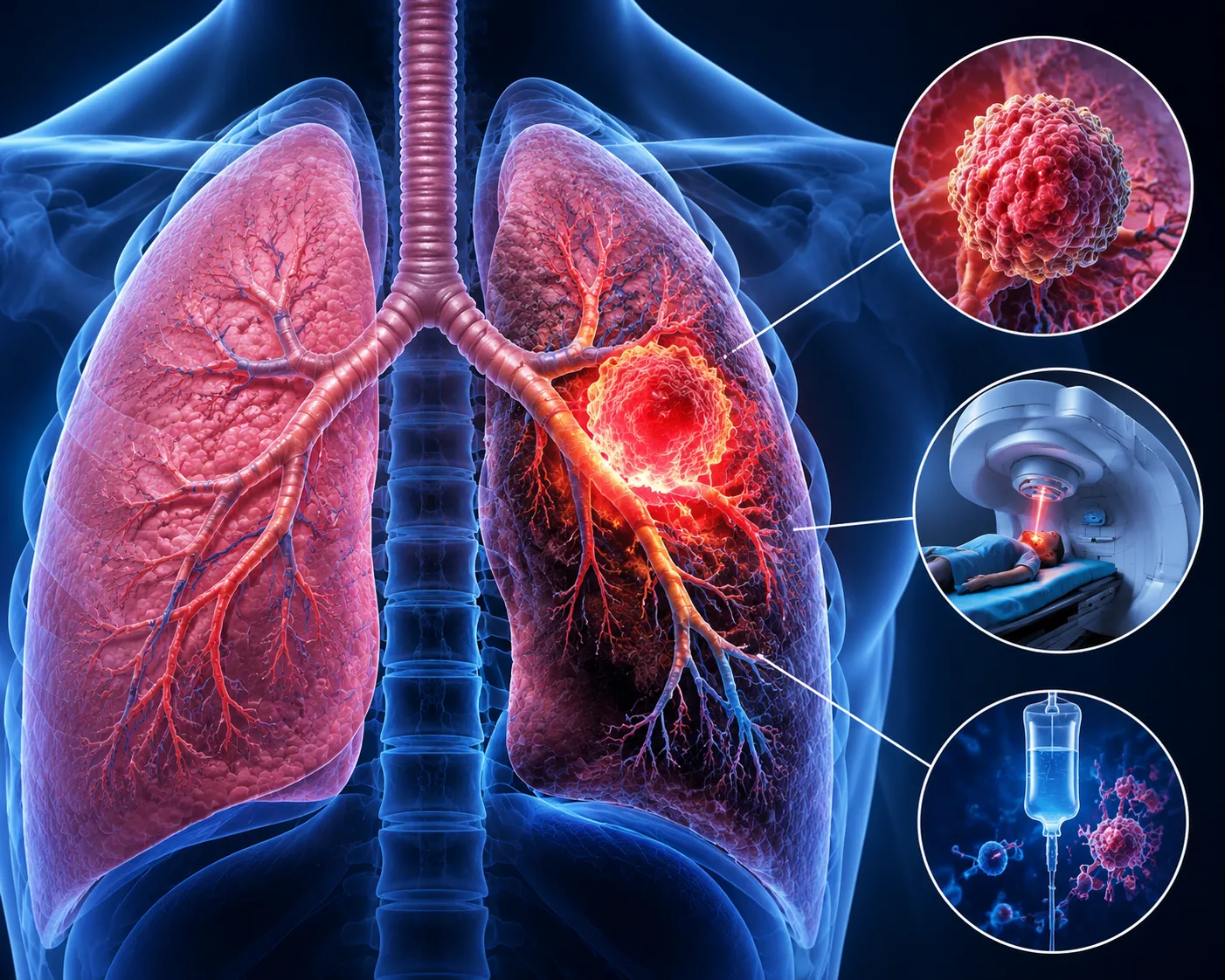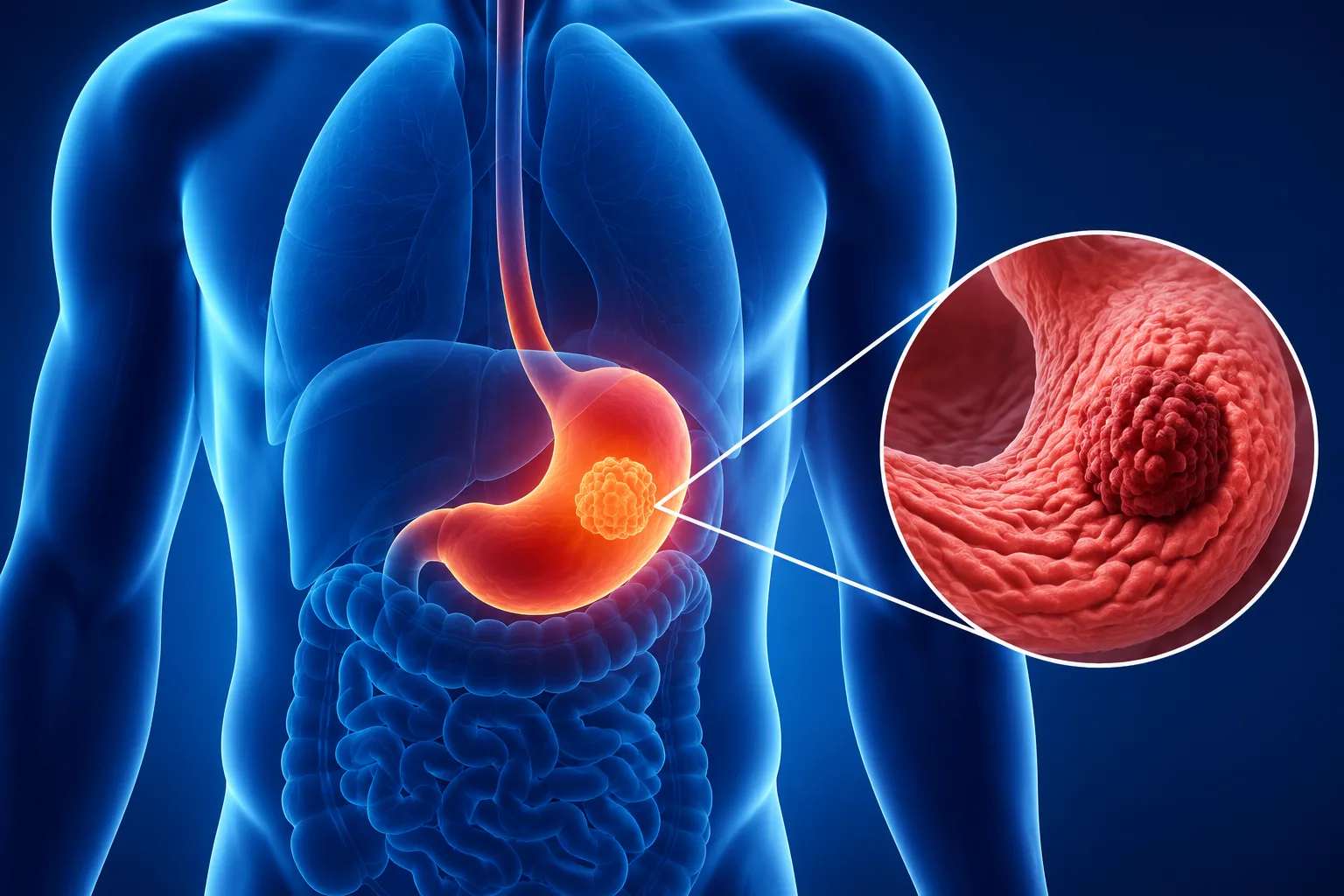
Stomach cancer is a condition that often develops without noticeable symptoms during its early stages. Many people initially mistake persistent stomach discomfort, acidity or indigestion for common digestive problems. However, when these symptoms continue or become unusual, a proper medical evaluation becomes important. Understanding the warning signs, diagnostic procedures and available treatment options can help patients make informed decisions about their health.
For individuals and families searching for Stomach Cancer Treatment in Coimbatore, choosing a cancer care centre with experienced specialists, appropriate diagnostic facilities and coordinated treatment planning is an important step. GEM Cancer Centre focuses on patient-centred cancer care, bringing medical expertise and diagnostic support together to help patients understand their condition and explore suitable treatment options.
What Is Stomach Cancer?
Stomach cancer, also known as gastric cancer, develops when abnormal cells grow uncontrollably in the inner lining of the stomach. These cells may gradually form a tumour and, depending on the type and stage, spread into deeper stomach tissues or other parts of the body.
The most common type is gastric adenocarcinoma, which begins in the cells lining the stomach. Other less common forms include gastrointestinal stromal tumours (GISTs), lymphomas and certain neuroendocrine tumours.
The location of the tumour, its biological characteristics and the extent of its growth influence the treatment approach. Therefore, patients considering Stomach Cancer Treatment in Coimbatore should undergo an appropriate medical assessment before deciding on a treatment plan.
Early Signs and Symptoms of Stomach Cancer
One of the challenges associated with stomach cancer is that its early symptoms can resemble ordinary digestive complaints. Some patients may experience mild discomfort for an extended period without recognising that further investigation is necessary.
Common symptoms that require medical attention include:
- Persistent indigestion or frequent acidity.
- Pain or discomfort in the upper abdomen.
- Feeling unusually full after eating small portions.
- Reduced appetite or difficulty finishing meals.
- Frequent nausea or vomiting.
- Unexplained weight loss.
- Difficulty swallowing.
- Blood in vomit or dark, tarry stools.
- Persistent tiredness associated with anaemia.
These symptoms do not automatically indicate stomach cancer. Several digestive conditions can produce similar complaints. However, symptoms that persist, worsen or occur alongside unexplained weight loss should be evaluated by a healthcare professional.
Recognising these warning signs and seeking timely medical advice can help identify the underlying cause and avoid unnecessary delays in diagnosis.
What Causes Stomach Cancer? Understanding the Risk Factors
There is no single cause responsible for every case of stomach cancer. The disease can develop through a combination of environmental, lifestyle-related, medical and genetic factors.
Some recognised risk factors include:
1. Helicobacter pylori infection
Long-term infection with Helicobacter pylori (H. pylori), a bacterium that affects the stomach lining, is an established risk factor for stomach cancer. Persistent infection can cause chronic inflammation and changes in stomach tissue.
2. Smoking and tobacco use
Tobacco exposure is associated with an increased risk of stomach cancer. Avoiding tobacco is an important part of reducing several cancer-related health risks.
3. Dietary habits
Frequent consumption of heavily salted, smoked or preserved foods has been associated with an increased risk. A balanced diet containing fruits and vegetables supports general health.
4. Family history and inherited conditions
People with close family members who have experienced stomach cancer may have an increased risk. Certain inherited genetic conditions can also contribute to the development of the disease.
5. Chronic stomach conditions
Certain long-term inflammatory stomach conditions, previous stomach surgery and specific stomach polyps may increase the risk in some individuals.
Having one or more risk factors does not mean someone will definitely develop cancer. A specialist can assess individual risk and recommend further investigation when necessary.
How Is Stomach Cancer Diagnosed?
Accurate diagnosis is essential because stomach cancer treatment depends on the tumour's location, type and stage. Doctors usually combine clinical assessment, endoscopic examination, biopsy and imaging investigations to understand the condition.
Patients seeking Stomach Cancer Treatment in Coimbatore may undergo some of the following investigations depending on their symptoms and medical history.
1. Upper Gastrointestinal Endoscopy
An upper GI endoscopy allows doctors to examine the oesophagus, stomach and upper part of the small intestine using a thin, flexible instrument with a camera.
It helps identify unusual growths, ulcers or suspicious areas inside the stomach.
2. Biopsy and Histopathological Examination
During an endoscopy, a small tissue sample may be collected from a suspicious area. The sample is examined under a microscope to determine whether cancer cells are present and identify the type of tumour.
A biopsy is an important step in confirming a stomach cancer diagnosis.
3. CT and Other Imaging Investigations
CT scans provide detailed images of the abdomen and other areas when required. They help doctors assess tumour growth, nearby lymph nodes and possible spread to other organs.
MRI, PET-CT or additional investigations may be recommended in selected cases depending on the clinical situation.
4. Endoscopic Ultrasound
Endoscopic ultrasound combines endoscopy with ultrasound imaging to provide detailed information about the stomach wall and nearby structures. It may help assess how deeply a tumour has grown.
5. Biomarker Testing
Certain stomach cancers have specific molecular characteristics that may influence treatment decisions. Depending on the diagnosis, doctors may recommend tests for biomarkers such as HER2, PD-L1, MSI or mismatch repair status.
These results can help determine whether targeted medicines or immunotherapy may be appropriate.
Understanding the Different Stages of Stomach Cancer
Staging describes how far stomach cancer has progressed. It helps specialists understand the extent of the disease and select an appropriate treatment strategy.
- Stage 0: Abnormal cells are limited to the innermost stomach lining.
- Stage I: Cancer has started growing into deeper layers of the stomach and may involve limited nearby lymph nodes.
- Stage II: The tumour has grown further into the stomach wall or involves additional lymph nodes.
- Stage III: Cancer has advanced into deeper tissues, multiple lymph nodes or nearby structures.
- Stage IV: Cancer has spread to distant organs or parts of the body.
The treatment approach differs between patients, even when they have the same stage. Tumour characteristics, general health, nutritional condition and treatment goals also influence medical decisions.
Stomach Cancer Treatment Options Available Today
Treatment for stomach cancer is not the same for everyone. A specialist team evaluates the diagnosis and recommends suitable options based on the stage, tumour characteristics and the patient's overall health.
For patients exploring Stomach Cancer Treatment in Coimbatore, understanding the available treatment approaches can make discussions with their doctors more productive.
1. Stomach Cancer Surgery
Surgery may be recommended when the cancer can be removed safely and completely. The type of operation depends on the tumour's location and how much of the stomach is affected.
Common procedures include:
- Partial gastrectomy: Removal of the affected portion of the stomach.
- Total gastrectomy: Removal of the entire stomach when necessary.
- Lymph node dissection: Removal of nearby lymph nodes for cancer control and examination.
- Digestive reconstruction: Reconnecting the digestive tract to allow food to pass after stomach removal.
Laparoscopic and robotic-assisted surgical techniques may be considered for selected patients. The surgeon determines the safest approach based on the individual case.
2. Chemotherapy
Chemotherapy uses medicines to destroy or control cancer cells. It may be recommended before surgery to help reduce the tumour, after surgery to address remaining cancer cells, or as the main treatment for advanced disease.
The medicines, treatment schedule and duration depend on the patient's condition and response to treatment.
3. Radiation Therapy
Radiation therapy uses carefully planned radiation to target cancer cells. It may be combined with chemotherapy in selected cases or used to help manage specific symptoms.
The decision to include radiation depends on the tumour location, disease stage and overall treatment plan.
4. Targeted Therapy
Targeted therapy focuses on specific proteins or molecular changes involved in cancer cell growth. It may be suitable for patients whose tumour testing identifies relevant treatment targets.
5. Immunotherapy
Immunotherapy helps the immune system recognise and respond to cancer cells. It may be recommended for certain patients depending on biomarker results, disease characteristics and previous treatments.
Not every patient requires all these treatments. A personalised treatment plan helps avoid unnecessary procedures while addressing the specific needs of the patient.
Why Multidisciplinary Cancer Care Matters
Stomach cancer management often involves more than one medical speciality. Coordination between gastrointestinal surgeons, medical oncologists, radiation oncologists, radiologists, pathologists and nutrition specialists can support better-informed treatment decisions.
At GEM Cancer Centre, patients looking for Stomach Cancer Treatment in Coimbatore can explore cancer care supported by specialist evaluation, diagnostic technology and individualised treatment planning.
A coordinated approach helps the medical team:
- Review diagnostic findings and biopsy reports.
- Understand the stage and characteristics of the tumour.
- Discuss appropriate surgical and non-surgical options.
- Consider additional treatment based on individual requirements.
- Address nutrition, recovery and symptom management.
- Plan follow-up care after treatment.
This approach also gives patients and their families an opportunity to understand the treatment process and discuss concerns with the medical team.
Nutrition and Recovery During Stomach Cancer Treatment
Nutrition plays an important role throughout stomach cancer treatment. The disease itself and certain treatments can affect appetite, digestion and the body's ability to maintain weight.
Patients who undergo stomach surgery may need time to adjust to changes in their digestive system. Depending on their procedure and nutritional requirements, doctors or dietitians may recommend:
- Eating smaller meals at more frequent intervals.
- Including suitable protein-rich foods.
- Maintaining adequate fluid intake.
- Introducing different foods gradually after surgery.
- Monitoring body weight and nutritional status.
- Taking prescribed vitamin or mineral supplements when necessary.
Recovery varies from person to person. Regular follow-up appointments help doctors monitor healing, nutritional health and any treatment-related concerns.
Why Choose GEM Cancer Centre for Stomach Cancer Care in Coimbatore?
A stomach cancer diagnosis can bring uncertainty for patients and their families. Having access to appropriate medical guidance, diagnostic support and treatment planning can make the process easier to understand.
GEM Cancer Centre in Coimbatore provides cancer care supported by medical expertise and diagnostic facilities. Patients can consult the oncology team to understand their diagnosis and discuss treatment options based on their individual medical needs.
Important aspects of cancer care include:
- Specialist evaluation and treatment guidance.
- Diagnostic investigations and biopsy support.
- Advanced imaging for cancer assessment and staging.
- Individualised treatment planning.
- Medical, surgical and radiation oncology services.
- Follow-up guidance and recovery support.
For anyone researching Stomach Cancer Treatment in Coimbatore, choosing a centre that prioritises informed decisions, coordinated care and clear communication is an important part of the treatment journey.
Frequently Asked Questions About Stomach Cancer
1. What are the early warning signs of stomach cancer?
Early signs may include persistent indigestion, upper abdominal discomfort, bloating, reduced appetite and feeling full after eating small amounts. These symptoms can also occur with non-cancerous digestive conditions and require medical evaluation if persistent.
2. How is stomach cancer confirmed?
Upper GI endoscopy with biopsy is commonly used to confirm stomach cancer. Imaging investigations and additional tests help determine the extent of the disease.
3. Is stomach cancer treatable?
Treatment options are available for different stages of stomach cancer. The appropriate approach depends on the stage, tumour characteristics, general health and other medical factors. Outcomes vary between individuals.
4. Does every stomach cancer patient require surgery?
No. Surgery is recommended only when medically appropriate. Some patients may require chemotherapy, targeted therapy, immunotherapy or combinations of treatments depending on their condition.
5. Can stomach cancer be detected early?
Early stomach cancer may not produce noticeable symptoms. Medical evaluation of persistent digestive complaints and appropriate assessment of people with increased risk can help identify suspicious changes.
6. Where can I consult for stomach cancer treatment in Coimbatore?
Patients looking for specialist guidance can consult GEM Cancer Centre in Coimbatore for an evaluation, diagnostic guidance and a discussion of suitable treatment options.
Conclusion
Stomach cancer requires careful evaluation, accurate diagnosis and a treatment approach that considers the patient's individual needs. Recognising persistent symptoms, understanding available investigations and discussing treatment choices with experienced specialists can help patients navigate the next steps with greater clarity.For patients and families searching for Stomach Cancer Treatment in Coimbatore, GEM Cancer Centre offers a setting to seek specialist guidance, explore available cancer care options and understand the treatment journey.If you or someone in your family is experiencing persistent digestive symptoms or has received a stomach cancer diagnosis, consider consulting a qualified specialist for appropriate medical advice and timely evaluation.