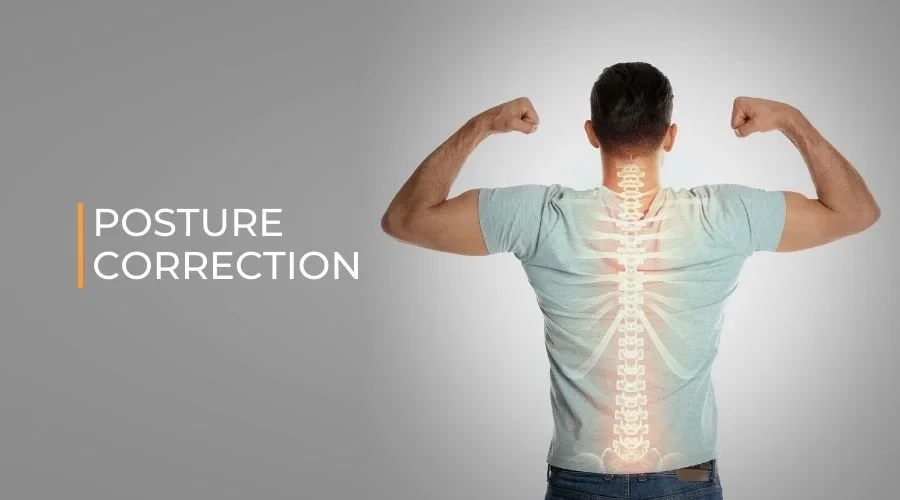
In modern lifestyle, where long hours at desks, smartphones, and screens dominate our daily routine, poor posture has become a common health concern. Slouching shoulders, forward head posture, and a rounded back are not just aesthetic issues - they can lead to chronic pain, stiffness, and fatigue.
This is where Posture Correction Physiotherapy plays a vital role. It helps you restore your body’s natural alignment, relieve pain, and improve your mobility so you can live an active, pain-free life.
What is Posture Correction Physiotherapy?
Posture Correction Physiotherapy is a specialized branch of physiotherapy that focuses on assessing and correcting musculoskeletal imbalances that affect your posture. Physiotherapists use a combination of manual therapy, corrective exercises, ergonomic training, and muscle re-education to help you achieve optimal alignment.
Whether your poor posture is due to prolonged sitting, muscle weakness, injury, or lifestyle habits, a physiotherapist can identify the root cause and design a personalized treatment plan to correct it.
Common Problems Caused by Poor Posture
Poor posture doesn’t just affect how you look - it impacts how your body functions. Some of the most common problems include:
- Neck and Shoulder Pain – Resulting from forward head posture or rounded shoulders.
- Lower Back Pain – Caused by slouched sitting or excessive arching of the spine.
- Headaches – Due to muscle tension in the neck and upper back.
- Fatigue and Weakness – Because misaligned posture strains muscles and joints.
- Reduced Mobility – Long-term poor posture can limit flexibility and range of motion.
How Physiotherapy Helps in Posture Correction?
A professional physiotherapist follows a systematic approach to restore your body’s natural balance and posture. Here’s how:
1. Detailed Postural Assessment
Your physiotherapist observes your body alignment, spinal curvature, and muscle imbalances to identify the root cause of poor posture.
2. Manual Therapy
Hands-on techniques such as joint mobilization, myofascial release, and soft tissue massage are used to relieve stiffness and realign structures.
3. Strengthening and Stretching Exercises
Customized exercise programs target weak muscles (like core and back extensors) and stretch tight muscles (like chest and hip flexors) to restore symmetry.
4. Ergonomic Training
You’ll receive guidance on proper sitting, standing, and sleeping postures—plus ergonomic tips for your workstation or daily activities.
5. Postural Re-education
Physiotherapists teach you how to maintain correct posture in daily life, helping your muscles “remember” proper alignment naturally.
Benefits of Posture Correction Physiotherapy
✅ Pain Relief – Alleviates back, neck, and shoulder pain by addressing the root cause.
✅ Improved Mobility – Restores flexibility and range of motion in stiff joints.
✅ Better Breathing & Circulation – Proper alignment opens up the chest and improves lung capacity.
✅ Enhanced Confidence – Standing tall with good posture makes you look and feel more confident.
✅ Prevention of Future Injuries – Strengthened postural muscles protect your spine and joints from stress and strain.
Who Can Benefit from Posture Correction Physiotherapy?
Posture correction is beneficial for everyone, but especially for:
- Office workers who sit for long hours
- Students spending long hours on screens
- Athletes with muscle imbalances
- People recovering from injuries or surgeries
- Seniors dealing with postural changes due to aging
Take the First Step Toward a Pain-Free, Active Life
If you’ve been struggling with back pain, stiffness, or fatigue due to poor posture, don’t ignore the signs. Posture Correction Physiotherapy can help you regain alignment, strength, and confidence - ensuring you stay pain-free and active every day.
Visit your nearest physiotherapy clinic or consult a certified posture correction physiotherapist today to start your journey toward a healthier spine and better posture.
Conclusion
Maintaining proper posture is not about perfection - it’s about balance, awareness, and consistent effort.