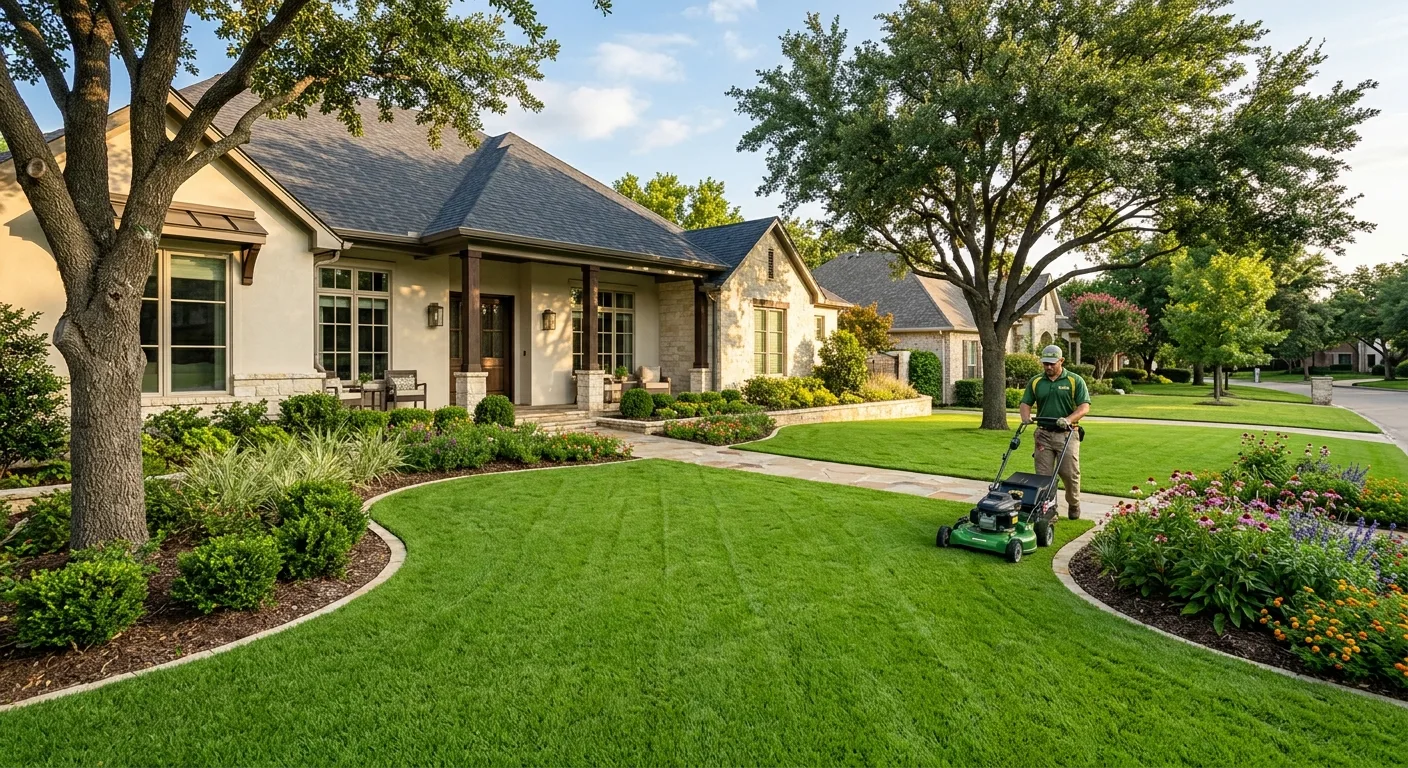
Maintaining a thick, vibrant green lawn in North Texas is no easy task. The combination of intense summer heat, unpredictable rainfall patterns, clay-heavy soils, and sudden winter cold snaps creates a challenging environment for residential turfgrass. Whether you are nurturing a warm-season grass like Bermuda or Zoysia, or managing shade-tolerant St. Augustine, keeping your yard resilient year-round requires more than just weekly mowing. Achieving lasting turf health demands a structured, science-backed approach tailored to local climate conditions.
When searching for a reliable lawn care service dallas homeowners often focus on simple mowing, but true landscape health requires a much broader strategy. Investing time in proper soil preparation, balanced nutrition, efficient irrigation, and routine maintenance pays off in noticeable curb appeal and long-term turf endurance. Understanding how North Texas environmental factors impact your soil and grass helps you stay ahead of broadleaf weeds, fungal outbreaks, and pest infestations before they cause costly damage.
Understanding the Challenges of North Texas Turfgrass Management
Growing grass in the Dallas-Fort Worth metroplex presents distinct physiological demands on turfgrass compared to cooler or more humid regions of the country.
Blackland Prairie Soil Characteristics
Much of the local landscape sits atop heavy clay soils known as Blackland Prairie clay. While clay soil holds nutrients effectively, it presents distinct structural difficulties:
- Compaction occurs quickly under foot traffic and lawn mower weight, restricting root expansion.
- Poor drainage during heavy rainstorms leads to standing water and root rot.
- Extreme shrinking and cracking during hot, dry spells sever delicate root systems.
- Soil aeration becomes critical to breaking up dense layers and allowing air and water movement.
Climate and Seasonal Stress Factors
Summer temperatures regularly exceed triple digits for extended stretches, putting grass in a state of thermal stress. During these periods, improper watering or scalping during mowing can cause turf to go dormant or die off entirely. Winter drops below freezing can also injure exposed root structures if the soil lacks sufficient moisture prior to a hard freeze.
Fundamental Steps for Year-Round Lawn Health
A healthy yard does not happen by accident; it is the product of consistent, well-timed care routines executed throughout the calendar year.
1. Conducting Annual Soil Testing
Before applying fertilizers, pre-emergents, or soil conditioners, test your soil's pH and nutrient levels. Clay soils tend to lean slightly alkaline, which can bind essential micronutrients like iron, preventing grass blades from accessing them. Knowing your soil’s exact nutrient profile prevents over-application of nitrogen, which burns turf and washes into local watersheds.
2. Aeration and Thatch Management
Core aeration involves pulling small plugs of soil out of the turf to relieve compaction.
- Aerate warm-season grasses in late spring or early summer when they are actively growing.
- Remove excess thatch—the layer of dead stems and roots between green growth and soil—if it exceeds half an inch in depth.
- Allow water, oxygen, and top-dressed compost to penetrate directly into the root zone.
Proper Watering and Irrigation Strategies
Watering incorrectly is one of the most common reasons lawns decline in North Texas. Shallow, frequent watering encourages shallow root systems that wilt quickly under hot sun.
Implementing Deep, Infrequent Irrigation
Instead of running sprinklers every morning for ten minutes, water deeply two to three times a week early in the morning, delivering roughly one to one-and-a-half inches of water total per week.
- Water between 4:00 AM and 8:00 AM to minimize evaporation loss from sun and wind.
- Avoid evening watering, as lingering moisture on grass blades overnight fosters fungal pathogens like brown patch and take-all root rot.
- Adjust controller schedules seasonally to reflect natural rainfall and shifting temperatures.
Auditing Your Irrigation System
Check sprinkler heads monthly for clogs, broken pop-ups, and misaligned nozzles spraying onto driveways or sidewalks. Cycle-and-soak programming—running zones for shorter intervals with breaks in between—helps heavy clay soil absorb water without excessive runoff.
Mowing Practices that Promote Deep Root Growth
How you mow directly impacts how well your grass copes with heat stress and weed competition.
Adhering to the One-Third Rule
Never cut off more than one-third of the grass blade height in a single mowing session. Removing too much top growth shocks the plant, forcing it to consume stored root carbohydrates to rebuild foliage rather than expanding its root network.
Recommended Cutting Heights for Local Grass Types
Maintaining proper turf height shields soil from direct sunlight, reducing evaporation and preventing weed seeds from germinating:
- Bermudagrass: Maintain between 1.5 and 2.5 inches.
- Zoysiagrass: Keep between 1.0 and 2.0 inches depending on the specific cultivar.
- St. Augustinegrass: Keep between 3.0 and 4.0 inches, especially in shaded areas.
Keep mower blades sharp. Dull blades tear the foliage rather than cutting cleanly, leaving ragged edges that turn brown and expose the plant to airborne fungal spores.
Weed Control and Seasonal Fertilization Schedules
A proactive weed control and fertilization strategy maintains turf density, leaving little space for opportunistic weeds like crabgrass, dallisgrass, and spurge to establish.
Spring and Fall Pre-Emergent Applications
Pre-emergent herbicides form a chemical barrier in the upper soil layer, preventing weed seeds from successfully germinating:
- Apply early spring pre-emergents when soil temperatures reach 55°F for several consecutive days (typically late February or early March).
- Apply fall pre-emergents in September to target winter annuals like henbit and annual bluegrass (Poa annua).
Balanced Seasonal Fertilization
Fertilize warm-season grasses when they exit winter dormancy and show active green growth. Avoid heavy high-nitrogen applications too early in spring, as late freezes can damage tender growth. Switch to balanced or potassium-rich slow-release formulations in late summer to bolster root tissues before winter.
Choosing a Professional Lawn Care Service Dallas Homeowners Depend On
While routine mowing and watering fit into most homeowners' weekend schedules, diagnostic soil management, pest identification, and specialized chemical treatments often require technical equipment and professional oversight. Partnering with a professional lawn care service dallas property owners count on ensures that core treatments like pre-emergent application and aeration happen at the exact right moment in the season.
Working with experienced lawn professionals takes the guesswork out of complex issues like grubs, armyworms, chinch bugs, and alkaline soil adjustments. The Grounds Guys of Dallas, Park Cities & Lakewood offer tailored turf management plans that adapt to shifting climate patterns and specific soil conditions across local neighborhoods.
Advantages of Professional Care Solutions
- Precise calibration of fertilizers and pre-emergents avoids burn and environmental runoff.
- Commercial-grade core aerators penetrate deeper into stubborn clay soils than standard rental units.
- Professional diagnosis distinguishes fungal diseases from drought stress or insect damage early.
Common Turf Management Errors to Avoid
Even dedicated property owners occasionally make avoidable mistakes that weaken their grass over time.
Mistakes in Application and Maintenance
- Over-fertilizing in summer: Excessive nitrogen encourages tender foliage that requires huge amounts of water to sustain during heatwaves.
- Scalping shady spots: Grass in shaded areas needs extra leaf surface area to capture limited sunlight; never trim shaded turf as short as sunny sections.
- Ignoring pest signs: Spongy patches or grass that pulls up easily like carpet often signal active white grub infestations beneath the surface.
- Using improper herbicides: Certain broadleaf weed killers safe for Bermuda grass can kill St. Augustine turf; always verify product compatibility before spot-treating.
Long-Term Considerations for Lasting Turf Quality
Building a healthy lawn is an ongoing process rather than a one-time project. Soil structure improves over years of organic top-dressing, core aeration, and balanced fertilization.
Seasonal Transition Overview
By tracking soil temperatures, adjusting irrigation schedules quarterly, and addressing minor weed or pest issues early, you protect your landscaping investment. Engaging a trusted lawn care service dallas residents rely on helps maintain consistent application timing, protecting your yard through extreme summer dry spells and winter frosts alike.
SeasonPrimary FocusKey TasksSpringDormancy Break & Weed PreventionPre-emergent application, core aeration, initial slow-release fertilizationSummerStress Management & Water EfficiencyDeep irrigation early morning, higher cutting height, pest monitoringFallRoot Fortification & Winter PrepFall pre-emergent, potassium-rich winterizer fertilizer, thatch clearingWinterDormant Protection & MaintenanceEquipment blade sharpening, light watering during dry spells, soil testingFrequently Asked Questions
How often should lawns in Dallas be aerated?
Heavy clay soils benefit from core aeration once a year, ideally during late spring or early summer when warm-season turfgrasses are actively growing and can recover quickly.
What is the best time of day to water my lawn?
Water early in the morning between 4:00 AM and 8:00 AM. This reduces water loss from evaporation and wind while allowing grass blades to dry quickly in the morning sun, lowering disease risks.
Why is my grass turning yellow despite regular watering?
Yellowing turf can stem from several causes, including iron deficiency in alkaline soil, fungal diseases like take-all root rot, or over-watering that starves roots of oxygen.
How do I know if my lawn has grubs?
Grub damage appears as irregular brown patches of dead turf in late summer or early fall. Damaged grass pulls up easily from the soil like a loose rug because the root system has been eaten.
Should I leave grass clippings on the lawn after mowing?
Yes, leaving fine clippings on the lawn (mulching) returns valuable nitrogen and organic matter to the soil without contributing to harmful thatch buildup, provided you mow frequently enough.
Conclusion
Sustaining healthy, green turf in North Texas requires understanding the relationship between soil structure, grass species, seasonal weather extremes, and proper care practices. By committing to deep irrigation, proper mowing heights, regular soil aeration, and well-timed weed prevention, you build a resilient root system capable of enduring tough summer heat. Whether you handle tasks yourself or hire a lawn care service dallas homeowners trust, maintaining consistent care protects your investment and keeps your outdoor space healthy across every season.