Setting the Scene: The Unique Allure of Cricket
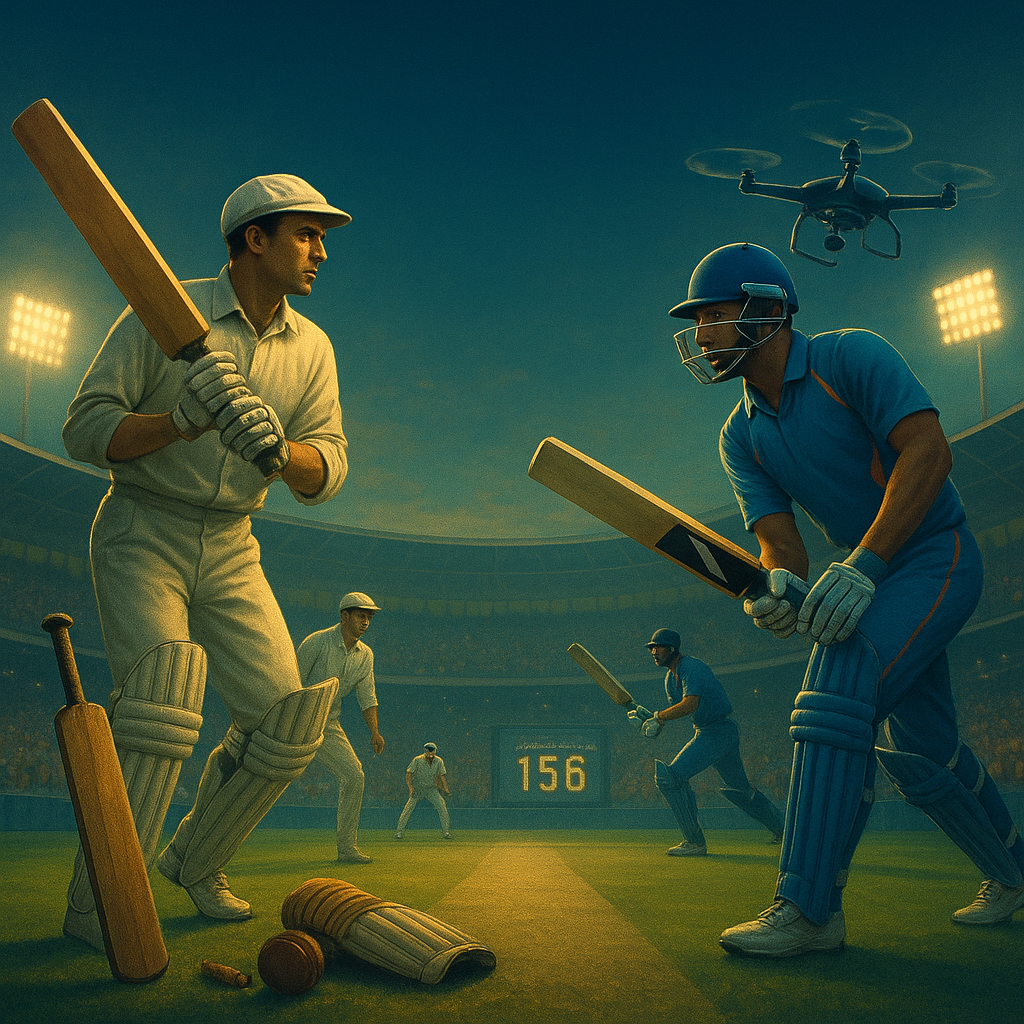
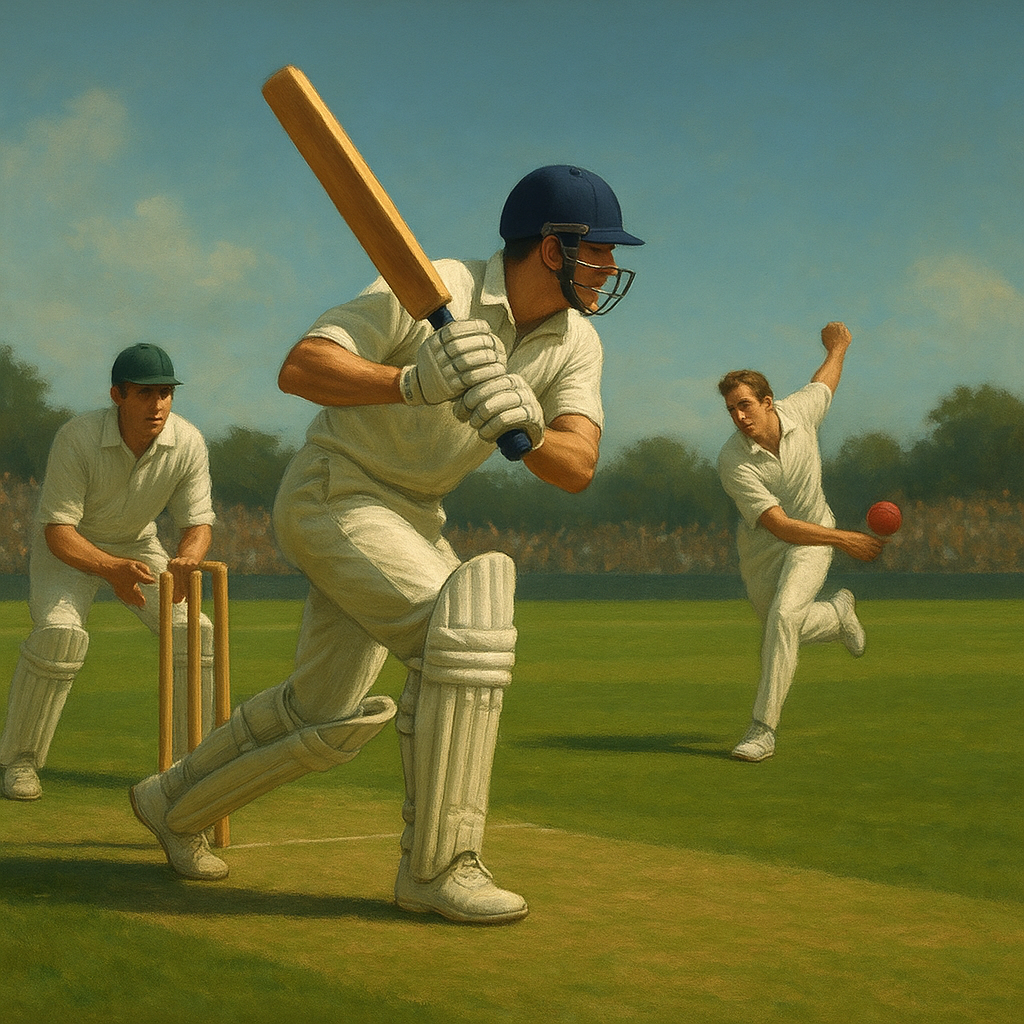
Imagine a sun-drenched afternoon on a lush green field, the crowd hushed in suspense as a bowler prepares to deliver the ball. A bat swings with precision, sending the leather ball hurtling through the air. This is cricket, a sport steeped in tradition yet dynamically evolving in the 21st century. Cricket’s global footprint now stretches far beyond its colonial roots, captivating millions across continents with its blend of strategy, athleticism, and culture. For newcomers, the sport’s nuances can seem daunting. However, understanding cricket’s core elements opens a gateway to appreciating one of the world’s most compelling games.
In 2026, cricket is celebrated not just as a pastime but as a cultural phenomenon, bridging generations and national borders. The game’s formats—Test, One Day International (ODI), and Twenty20 (T20)—offer varied experiences, appealing to diverse audiences. As TheOmniBuzz explores in How Cricket's Timeless Appeal Continues to Captivate Millions Worldwide, cricket’s enduring charm lies in its blend of patience, skill, and moments of explosive excitement.
"Cricket isn't just a game of runs and wickets; it's a game of patience, tactics, and cultural pride." — Veteran Cricket Analyst
The Origins and Evolution: How Cricket Became a Global Sport
Cricket’s origins trace back to 16th-century England, initially a rustic pastime played by shepherds and villagers. By the 18th century, it had evolved into a structured sport with codified rules, governed by the Marylebone Cricket Club (MCC). The British Empire’s expanse in the 19th and early 20th centuries facilitated cricket’s spread, embedding it deeply in countries such as India, Australia, South Africa, and the Caribbean.
Over time, the sport adapted to local cultures and climates, shaping distinctive playing styles and fan cultures. The introduction of limited-overs cricket in the 1960s revolutionized the sport’s pace and appeal, culminating in the creation of T20 cricket in the early 2000s. This shortest format has skyrocketed cricket’s popularity, particularly among younger audiences, due to its fast pace and entertainment value.
Key milestones that shaped cricket’s trajectory include:
- 1877: The first officially recognized Test match between Australia and England.
- 1971: The advent of One Day Internationals (ODIs).
- 2003: The inaugural ICC World Twenty20 tournament.
- 2020s: Expansion of franchise-based T20 leagues, notably the Indian Premier League (IPL) and The Hundred in England.
As cricket continues to globalize, the sport’s governance by the International Cricket Council (ICC) has emphasized inclusivity and innovation. Today, cricket’s footprint reaches emerging nations like the United States and Germany, reflecting its transformation from a colonial relic to a truly international sport.
Understanding Cricket: The Building Blocks Every Beginner Must Know
At its core, cricket is a contest between bat and ball, played on an oval field with a rectangular 22-yard pitch at the center. Two teams of 11 players each alternate between batting and fielding. The primary objective for the batting side is to score runs, while the fielding side aims to dismiss batsmen and limit scoring.
Here are the fundamental components that beginners should grasp:
- Formats: Cricket matches vary by length—Test matches last up to five days, ODIs are 50 overs per side, and T20s feature 20 overs per side. Each format demands different strategies and skills.
- Players and Roles: Bowlers deliver the ball to dismiss batsmen, batsmen score runs, wicketkeepers guard the stumps, and fielders support bowling by catching or stopping the ball.
- Basic Rules: Runs are scored by running between wickets or hitting boundaries (four runs if the ball reaches the boundary after bouncing, six if it clears the boundary on the full). Dismissals occur by being bowled, caught, run out, or leg before wicket (LBW).
- Equipment: Essential gear includes the cricket bat, ball, protective pads, gloves, helmet, and stumps.
- Pitch and Field: The 22-yard pitch is where most action happens; field placements are tactical decisions based on bowlers’ styles and batsmen’s tendencies.
Understanding these basics enables newcomers to follow the flow of a match and appreciate the skill sets of players. For those eager to explore cricket’s strategic depth, How Cricket’s Strategic Evolution Is Redefining Its Global Reach offers an insightful perspective on tactics shaping the modern game.
"Mastering cricket begins with appreciating its layers—from the simple bat-and-ball duel to intricate field placements and bowling variations." — Former International Cricketer
Cricket in 2026: Innovations and Global Expansion
Cricket’s 2026 landscape reflects a fascinating blend of tradition and innovation. The sport has embraced technology, diversity, and new markets more aggressively than ever before. The ICC’s recent initiatives have focused on expanding Test cricket’s appeal while capitalizing on the commercial success of T20 leagues.
Key developments in 2026 include:
- Advanced Analytics: Teams now leverage AI-driven analytics for player performance, match predictions, and injury prevention, enhancing competitive edge.
- Global Tournaments: The ICC has expanded the World Cup format to include 20 teams, increasing opportunities for associate nations like Nepal and the Netherlands.
- Sustainability Efforts: Eco-friendly stadiums and carbon-neutral events are becoming standard, aligning cricket with global environmental goals.
- Inclusive Growth: Women’s cricket has seen unprecedented investment, with the ICC Women’s T20 World Cup 2026 drawing record viewership and sponsorship.
- Emerging Markets: The United States Major League Cricket (MLC) has attracted international stars, boosting cricket’s profile in North America.
These trends underscore cricket’s accelerating globalization and modernization. Moreover, the integration of technology in umpiring decisions through enhanced Decision Review Systems (DRS) has improved fairness and fan trust.
For an in-depth look at rising stars and emerging trends shaping cricket’s trajectory, see How Emerging Trends and Rising Stars Are Shaping Cricket's Future.
Expert Insights: How Professionals Approach the Game and What Beginners Can Learn
Cricket professionals emphasize that beyond physical skills, mental agility and strategic thinking are vital. The sport demands patience, resilience, and adaptability. Coaches often highlight the importance of mastering fundamentals before delving into complex tactics.
Experts also stress the value of learning cricket’s etiquette and spirit, which govern fair play and respect among players. This ethos distinguishes cricket and enriches the spectator experience.
Key advice from seasoned players includes:
- Focus on Technique: Proper batting and bowling techniques build a strong foundation and reduce injury risks.
- Understand Game Situations: Reading the match context guides shot selection and bowling strategies.
- Fitness and Agility: Modern cricket demands high fitness levels to sustain peak performance across formats.
- Teamwork and Communication: Successful teams exhibit strong coordination, especially in fielding and running between wickets.
- Continuous Learning: Watching professional matches, practicing regularly, and analyzing performances accelerate improvement.
"Cricket is as much a mental sport as a physical one. The best players read the game like chess masters." — Renowned Cricket Coach
Looking Ahead: What Newcomers Should Watch and How to Engage with Cricket
For beginners eager to deepen their cricket knowledge, the coming years promise exciting developments. The ICC’s commitment to expanding Test cricket’s global reach, alongside the flourishing T20 ecosystem, offers diverse viewing experiences catering to all preferences.
New fans should consider:
- Following major tournaments such as the ICC World Test Championship, T20 World Cup, and domestic leagues like the IPL and MLC.
- Engaging with interactive platforms and apps that offer live stats, player insights, and augmented reality experiences.
- Participating in local cricket clubs or beginner coaching camps to gain hands-on experience.
- Exploring cricket history through documentaries and biographies of legends, as showcased in TheOmniBuzz’s Top 10 Cricket Legends Who Redefined the Game Forever.
- Supporting women’s cricket, which is rapidly growing and offering compelling narratives and role models.
Understanding cricket’s evolving formats and embracing its cultural richness enhances appreciation and enjoyment. The sport’s blend of tradition and innovation ensures it remains a dynamic, inclusive arena where new fans can find their place.
In sum, cricket offers a multifaceted experience—from the strategic depth of Test matches to the thrilling pace of T20s. For beginners, patience and curiosity are key. As you build knowledge and skills, cricket transforms from a complex spectacle into a captivating passion.