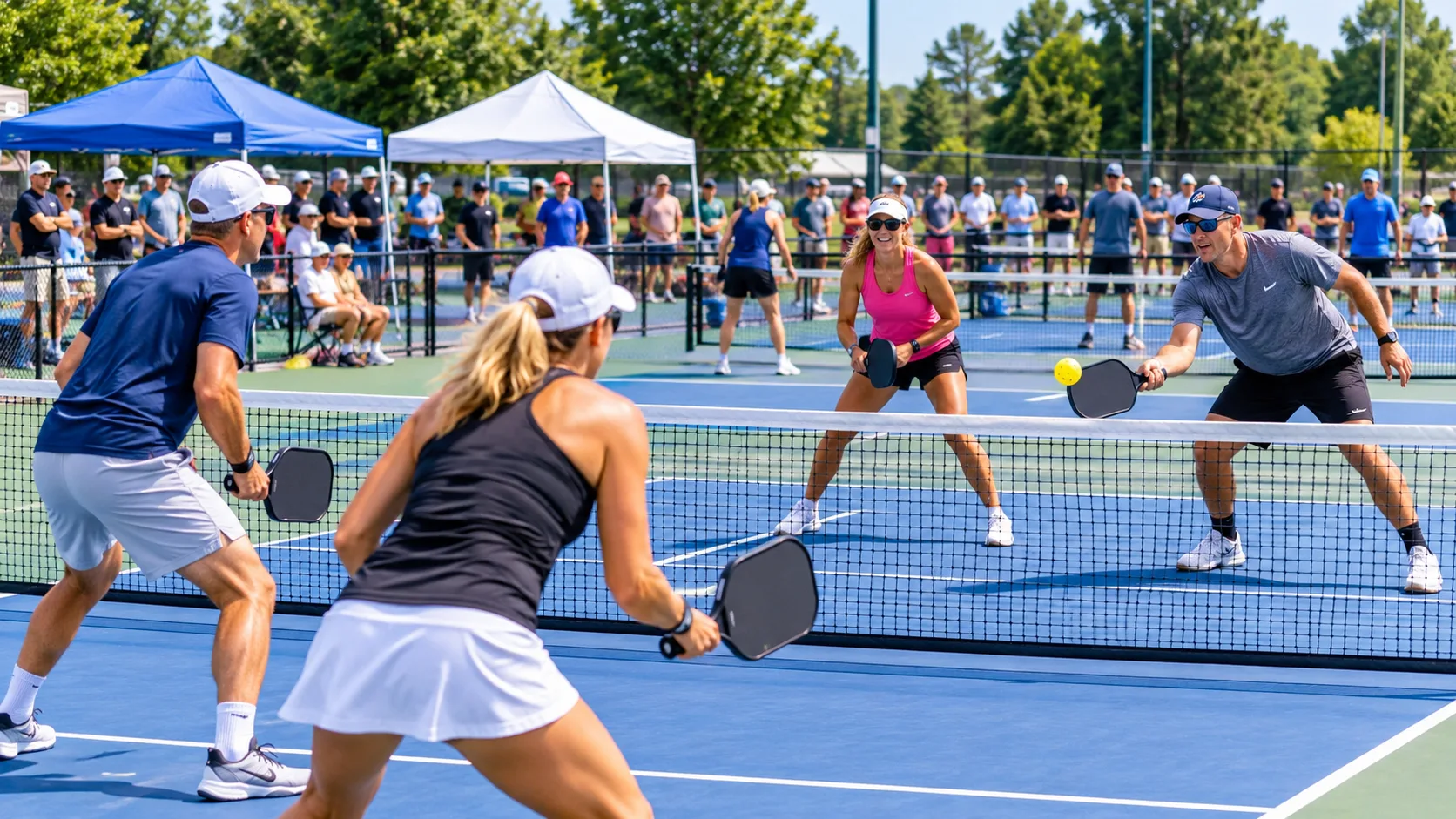
Organizing a pickleball tournament is an excellent way to bring players together, encourage friendly competition, and strengthen the local sports community. Whether you are planning a small weekend competition or a larger event involving multiple skill levels, successful organization requires preparation, communication, and attention to detail. A well-managed tournament gives participants an enjoyable experience while creating opportunities for new friendships and stronger connections within the community.
As pickleball continues to attract players of different ages and athletic backgrounds, local competitions are becoming an important part of the sport's growth. With the right approach, organizing a pickleball tournament can be both rewarding and manageable. From selecting the venue to planning match schedules, every detail contributes to creating an event that players will want to attend again.
1. Define Your Tournament Goals and Choose the Right Format
The first step in pickleball tournament planning is understanding what you want to achieve. Some tournaments focus on friendly recreation, while others emphasize competitive play and player development. Defining your purpose early helps guide decisions about registration, scheduling, divisions, and event activities.
Consider your expected audience. A beginner-friendly event should create a welcoming atmosphere where newcomers can enjoy competition without feeling overwhelmed. More experienced players may prefer structured divisions that offer balanced and challenging matchups.
Common tournament formats include:
- Round Robin: Every participant or team plays multiple opponents, making it ideal for smaller events.
- Single Elimination: Teams are eliminated after one loss, creating a straightforward competitive structure.
- Double Elimination: Players receive another opportunity after their first loss, allowing more match experience.
- Skill-Based Divisions: Participants compete against others with similar playing abilities.
Choose a format that matches your available time, court capacity, and expected number of participants. A clearly defined structure makes the event easier to manage and more enjoyable for everyone.
2. Select a Convenient Venue and Prepare the Courts
The venue plays a major role in the overall tournament experience. Look for a location that offers enough pickleball courts, convenient parking, accessible facilities, and a comfortable environment for players and spectators.
Before confirming the location, inspect the playing surfaces, court lines, nets, lighting, and surrounding areas. Make sure the courts meet standard pickleball dimensions and provide sufficient space for safe movement. Indoor facilities can be particularly useful when weather conditions are unpredictable, while outdoor courts can offer an enjoyable atmosphere during warmer months.
Consider the number of courts available and estimate how many matches can be played simultaneously. Having enough playing space helps prevent unnecessary delays and keeps the tournament running smoothly.
You should also arrange basic facilities such as seating, restrooms, drinking water, and shaded areas where necessary. Small details like these can make a significant difference in participant comfort.
3. Create a Clear Registration and Promotion Strategy
Once the venue and tournament format are confirmed, the next step is attracting participants. Effective promotion helps increase registrations, reach different player groups, and build excitement before the event.
Start by creating a simple registration process. Collect essential information, including player names, contact details, skill levels, preferred divisions, and doubles partner information when applicable. Set a registration deadline so you have enough time to organize brackets and prepare the match schedule.
Promote your event through several channels:
- Share announcements on social media platforms.
- Contact local tennis and pickleball clubs.
- Display flyers at community recreation centers.
- Encourage registered players to invite friends.
- Share event details through local sports groups and newsletters.
Include important information in every announcement, such as the event date, location, registration deadline, entry fee, competition format, and contact details.
When promoting local pickleball events, highlight what makes the tournament welcoming and worthwhile. Mention opportunities to meet other players, improve match experience, and enjoy a friendly sporting environment.
4. Organize Match Schedules, Equipment, and Volunteers
A detailed schedule is essential for keeping tournament day organized. Prepare match brackets in advance, assign courts, and estimate how much time each match will require. Allow short breaks between rounds so players can recover, hydrate, and prepare for their next games.
Avoid scheduling too many matches too close together, especially for participants playing in multiple divisions. A realistic timetable helps reduce fatigue and prevents unnecessary confusion.
Equipment preparation is equally important. Make sure you have enough pickleballs, nets, court markers, scoreboards, and backup supplies. Keep extra balls and basic maintenance equipment available in case something needs attention during the event.
Volunteers can also make a major difference. Assign responsibilities such as:
- Checking in registered participants.
- Updating match schedules and scoreboards.
- Directing players to assigned courts.
- Answering questions and assisting spectators.
- Managing refreshments and general event activities.
Brief volunteers before the tournament begins. Everyone should understand their responsibilities and know who to contact if an issue arises. Clear communication helps the entire event operate more efficiently.
5. Create a Positive and Welcoming Tournament Experience
A successful tournament should offer more than competitive matches. The atmosphere, organization, and interaction between participants all influence how players remember the event.
Begin with a friendly welcome and a short explanation of the tournament rules, scoring system, schedule, and court assignments. Make sure participants understand how results will be recorded and how disputes or scheduling concerns will be handled.
Encourage good sportsmanship throughout the competition. Players should respect opponents, follow the rules, and maintain a positive attitude regardless of match results.
Consider adding a few activities that encourage social interaction. For example, you could arrange a beginner-friendly practice session, offer refreshments, or create opportunities for players to connect between matches.
These additional touches help make local pickleball events more inclusive and enjoyable. They also encourage beginners to return and give experienced players an opportunity to contribute to the wider community.
6. Evaluate the Event and Build for Future Tournaments
The work does not end when the final match is completed. Reviewing the event helps identify what went well and what could be improved for future competitions.
Collect feedback from players, volunteers, and spectators. Ask about registration, court conditions, match scheduling, communication, and the overall experience. Honest feedback can reveal small problems that might otherwise go unnoticed.
Review attendance numbers, match completion times, scheduling delays, and participant satisfaction. If certain divisions filled quickly while others had limited registrations, consider adjusting the format next time.
Share tournament highlights, winning results, and event photographs through your website and social media channels. Thank participants, volunteers, sponsors, and facility staff for their contributions.
Planning future events becomes easier when you maintain a record of schedules, registration information, equipment needs, and lessons learned. Consistent improvements can help establish a recognizable local tournament series that players look forward to attending.
Conclusion
Organizing a successful local pickleball tournament requires thoughtful planning, reliable communication, and a genuine commitment to creating a positive player experience. By choosing the right format, preparing suitable courts, promoting registration, managing schedules, and encouraging sportsmanship, organizers can create an event that appeals to players of different ages and skill levels.
Most importantly, a great tournament brings people together through a shared love of the sport. With careful pickleball tournament planning, even a small community competition can become a memorable event that supports participation, builds friendships, and encourages the continued growth of pickleball.
At WNY Tennis, creating opportunities for players to learn, compete, and connect helps strengthen the local tennis and pickleball community.