
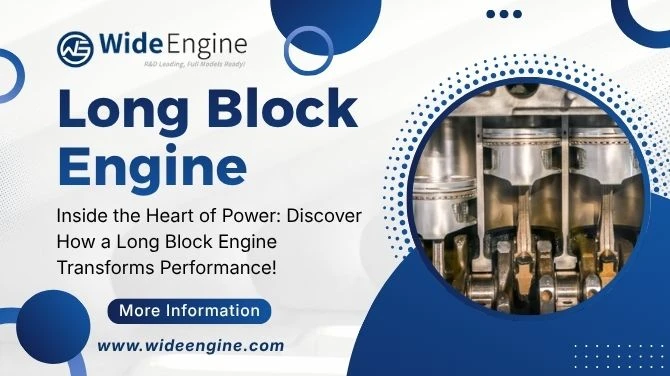
When it comes to automotive performance, the engine is undeniably the heart of every vehicle. At WideEngine Industries Co., Ltd, we understand that the quest for power, reliability, and efficiency begins with the right engine configuration. Among the various options available, the Long Block Engine stands out as a transformative solution for both enthusiasts and professionals seeking to elevate their vehicle’s capabilities.
What is a Long Block Engine?
In the world of automotive engineering, engines are often categorized based on their level of assembly. The Long Block Engine is a partially assembled engine that includes the engine block, crankshaft, connecting rods, pistons, camshaft, and cylinder head(s). Unlike a Short Block, which typically consists of just the engine block and rotating assembly, the Long Block Engine comes with additional components such as the valvetrain and sometimes even the timing components.
This configuration offers a balanced solution between a bare engine block and a fully assembled “crate engine” (or “turn-key engine”). As a result, the Long Block Engine provides a solid foundation for both engine rebuilds and performance upgrades, making it a popular choice among automotive professionals and enthusiasts alike.
The Anatomy of a Long Block Engine
Understanding the anatomy of a Long Block Engine is essential for appreciating its impact on performance. Let’s break down its key components:
1. Engine Block
The engine block is the core structure, housing the cylinders and providing the foundation for all other components. It is typically made from cast iron or aluminum, offering strength and durability.
2. Crankshaft
The crankshaft converts the linear motion of the pistons into rotational motion, which ultimately powers the vehicle’s wheels.
3. Connecting Rods and Pistons
Connecting rods link the pistons to the crankshaft, transferring the force generated during combustion. The pistons themselves move up and down within the cylinders, compressing the air-fuel mixture and generating power.
4. Camshaft
The camshaft controls the opening and closing of the engine’s valves, ensuring precise timing for intake and exhaust cycles.
5. Cylinder Head(s)
The cylinder head sits atop the engine block, housing the valves, spark plugs, and sometimes the camshaft (in overhead cam designs). It plays a critical role in sealing the combustion chamber and facilitating efficient airflow.
6. Valvetrain
The valvetrain includes the valves, rocker arms, pushrods, and other components responsible for opening and closing the intake and exhaust valves.
7. Timing Components
Many Long Block Engines come with timing chains or belts, ensuring that the camshaft and crankshaft remain synchronized.
By including these essential components, the Long Block Engine offers a comprehensive solution that simplifies the engine assembly process and enhances reliability.
Why Choose a Long Block Engine?
Now that we’ve covered the basics, let’s explore why the Long Block Engine is a preferred choice for many automotive applications.
1. Simplified Installation
One of the primary advantages of a Long Block Engine is its ease of installation. Since it comes pre-assembled with critical components, it significantly reduces the time and effort required for engine replacement or rebuilding. This is especially beneficial for workshops and individuals looking to minimize downtime.
2. Enhanced Reliability
With factory-assembled components, the Long Block Engine ensures precise tolerances and optimal compatibility. This reduces the risk of assembly errors and enhances overall engine reliability.
3. Performance Potential
A Long Block Engine provides a solid foundation for performance upgrades. Whether you’re aiming for increased horsepower, improved torque, or better fuel efficiency, starting with a Long Block allows for customization and tuning to meet specific performance goals.
4. Cost-Effectiveness
Compared to purchasing individual components or a fully assembled crate engine, the Long Block Engine strikes a balance between cost and completeness. It offers significant value by including all major components while allowing for customization with external accessories.
5. Versatility
Long Block Engines are available for a wide range of vehicle makes and models, making them a versatile solution for various automotive needs. Whether you’re restoring a classic car or upgrading a modern vehicle, there’s likely a Long Block Engine that fits your requirements.
How a Long Block Engine Transforms Performance?
The true power of a Long Block Engine lies in its ability to transform vehicle performance. Let’s delve into the specific ways it achieves this:
1. Improved Power Output
By starting with a fresh, precisely assembled Long Block Engine, you eliminate the inefficiencies and wear associated with older engines. This results in improved combustion, better compression, and ultimately, higher power output.
2. Enhanced Efficiency
Modern Long Block Engines are designed with advanced materials and engineering techniques, leading to improved fuel efficiency and reduced emissions. This is particularly important for meeting stringent environmental regulations and reducing operating costs.
3. Greater Durability
Factory-assembled Long Block Engines undergo rigorous quality control processes, ensuring that each component meets strict standards. This translates to greater durability and a longer service life, even under demanding conditions.
4. Customization Opportunities
With a Long Block Engine as your foundation, you have the flexibility to add performance parts such as high-flow intake manifolds, performance camshafts, and upgraded exhaust systems. This allows you to tailor the engine’s characteristics to your specific needs and preferences.
5. Consistent Performance
Unlike rebuilt engines that may use a mix of new and used parts, a Long Block Engine offers consistent performance thanks to its uniform assembly and new components. This consistency is crucial for applications where reliability and predictability are paramount.
The Installation Process: What to Expect
Installing a Long Block Engine is a straightforward process, but it requires attention to detail and proper preparation. Here’s an overview of what to expect:
1. Preparation
Before installation, ensure that all necessary tools and equipment are available. It’s also important to review the manufacturer’s instructions and gather any additional components required, such as gaskets, seals, and external accessories.
2. Removal of the Old Engine
Carefully disconnect all electrical, fuel, and cooling system connections from the old engine. Remove the engine from the vehicle, taking care to label and organize all parts for reassembly.
3. Installation of the Long Block Engine
Position the Long Block Engine in the engine bay and secure it to the motor mounts. Reconnect all electrical, fuel, and cooling system components, ensuring proper alignment and torque specifications.
4. Final Checks
Double-check all connections, fluid levels, and fasteners. Prime the oil system and perform a thorough inspection before starting the engine.
5. Initial Startup and Break-In
Follow the manufacturer’s recommended break-in procedure to ensure optimal performance and longevity. Monitor for any leaks, unusual noises, or warning lights during the initial startup.
By following these steps, you can ensure a smooth and successful Long Block Engine installation.
Maintenance Tips for Long Block Engines
To maximize the lifespan and performance of your Long Block Engine, regular maintenance is essential. Here are some key tips:
1. Regular Oil Changes
Use high-quality engine oil and change it at the recommended intervals to prevent wear and maintain lubrication.
2. Monitor Fluid Levels
Regularly check coolant, transmission, and other fluid levels to prevent overheating and component damage.
3. Inspect Belts and Hoses
Look for signs of wear or damage on belts and hoses, replacing them as needed to avoid breakdowns.
4. Follow Manufacturer Guidelines
Adhere to the maintenance schedule and guidelines provided by the engine manufacturer for optimal performance.
5. Address Issues Promptly
If you notice any unusual noises, vibrations, or warning lights, address them promptly to prevent further damage.
WideEngine Industries Co., Ltd: Your Trusted Partner for Long Block Engines
At WideEngine Industries Co., Ltd, we pride ourselves on delivering high-quality Long Block Engines that meet the diverse needs of our customers. With years of experience and a commitment to excellence, we offer a wide range of Long Block Engines for various makes and models. Our engines are built to the highest standards, ensuring reliability, performance, and value.
Whether you’re a professional mechanic, a fleet operator, or an automotive enthusiast, you can trust WideEngine Industries Co., Ltd to provide the right Long Block Engine for your application. Our knowledgeable team is always available to assist with product selection, installation guidance, and technical support.
Unlock the Power Within
In summary, the Long Block Engine is a transformative solution that offers a perfect balance of performance, reliability, and value. By understanding its components, benefits, and installation process, you can make an informed decision that will elevate your vehicle’s capabilities. At WideEngine Industries Co., Ltd, we are dedicated to providing top-quality Long Block Engines and exceptional customer support to help you unlock the true power within your vehicle.

Frequently Asked Questions (FAQ)
1. What is the difference between a Long Block Engine and a Short Block Engine?
A Short Block Engine includes the engine block, crankshaft, connecting rods, and pistons, but does not include the cylinder head(s), camshaft, or valvetrain. In contrast, a Long Block Engine includes all of these components, making it a more complete assembly that simplifies installation and reduces the need for additional parts.
2. Can I install a Long Block Engine myself, or do I need a professional mechanic?
While it is possible for experienced individuals to install a Long Block Engine, it is recommended to have a professional mechanic perform the installation. Proper installation requires specialized tools, knowledge of torque specifications, and attention to detail to ensure optimal performance and reliability.
3. Are Long Block Engines compatible with all vehicles?
Long Block Engines are available for a wide range of vehicle makes and models. However, it is important to select a Long Block Engine that is specifically designed for your vehicle’s year, make, and model to ensure compatibility.
4. How does a Long Block Engine improve performance compared to a rebuilt engine?
A Long Block Engine offers improved performance due to its factory-assembled components, precise tolerances, and use of new parts. This results in better combustion, higher power output, and greater reliability compared to rebuilt engines that may use a mix of new and used components.
5. What is the typical lifespan of a Long Block Engine?
The lifespan of a Long Block Engine depends on factors such as maintenance, driving conditions, and quality of components. With proper care and regular maintenance, a Long Block Engine can last as long as a brand-new engine, often exceeding 100,000 miles or more.
6. Can I upgrade my Long Block Engine with performance parts?
Yes, one of the advantages of a Long Block Engine is its compatibility with a wide range of performance parts. You can upgrade components such as the intake manifold, exhaust system, and camshaft to achieve your desired performance goals.
7. What warranty options are available for Long Block Engines from WideEngine Industries Co., Ltd?
At WideEngine Industries Co., Ltd, we offer comprehensive warranty options for our Long Block Engines. Warranty coverage varies depending on the specific engine model and application. Please contact our customer service team for detailed warranty information.
8. How do I maintain my Long Block Engine for optimal performance?
Regular oil changes, monitoring fluid levels, inspecting belts and hoses, and following the manufacturer’s maintenance schedule are key to maintaining your Long Block Engine. Address any issues promptly to prevent further damage and ensure long-term reliability.
9. What should I do if I experience issues after installing a Long Block Engine?
If you encounter any issues after installation, such as unusual noises, leaks, or warning lights, it is important to stop the engine and consult a professional mechanic. Contact WideEngine Industries Co., Ltd for technical support and assistance with troubleshooting.
10. How do I choose the right Long Block Engine for my vehicle?
To choose the right Long Block Engine, consider factors such as your vehicle’s make, model, year, and intended use. Our team at WideEngine Industries Co., Ltd can assist you in selecting the ideal engine for your specific needs.