Changing Tides in India’s Beauty Market: The Rise of Ingredient Transparency
In a bustling Mumbai conference hall in early 2026, Rahul Shanker, Head of Marketing at The Body Shop India, unveiled a strategy shift that signals a profound transformation in the Indian beauty sector. Gone are the days when glamorous celebrity endorsements and aesthetic packaging alone could sway consumers. Instead, ingredient transparency and authenticity have become the new currency for brands aiming to earn trust and loyalty.
The Indian beauty market, valued at over $9 billion in 2025 and growing at an estimated 12% annually according to industry estimates, is witnessing a surge in consumers who demand more from their skincare and cosmetics products. This shift is particularly pronounced among millennials and Gen Z consumers, who, armed with smartphones and access to global information, scrutinize ingredient lists, seek ethical sourcing, and favor brands with clear, ingredient-led narratives.
“Consumers today want to understand what goes into their products and why. It’s no longer enough to say a cream makes skin glowing; they want to know which ingredient does that and how,” Rahul Shanker explained during a recent panel discussion on digital marketing trends in India’s beauty industry.
This movement toward ingredient-led marketing is reshaping how brands position themselves digitally, crafting stories rooted in science, sustainability, and authenticity rather than mere aesthetics. It taps into a growing consciousness about health, environment, and ethical consumerism.
The Body Shop, known globally for its ethical and natural product foundations, has emerged as a key player in this transition within India. Rahul Shanker’s leadership has steered the brand to emphasize ingredient storytelling across all digital channels, leveraging data analytics and consumer insights to tailor messages that resonate deeply with India’s diverse audiences.
For marketers and brands navigating this new terrain, understanding the nuances of ingredient-led marketing is critical. This article explores how The Body Shop India, under Rahul Shanker’s guidance, exemplifies this shift and what it means for the broader beauty marketing landscape in 2026 and beyond.
Historical Context: From Glamour to Ingredients
Beauty marketing in India has traditionally thrived on aspirational imagery and celebrity influence. For decades, the success of cosmetic brands hinged on endorsements by Bollywood stars and cricket icons, creating an emotional allure around products. Marketing campaigns were grand, focusing on glamour, fairness, and youthfulness, often without delving deeply into the science of ingredients.
However, the last ten years have witnessed a gradual but significant change. Increasing awareness about skin health, allergies, and environmental impact, combined with the rise of social media, has democratized beauty knowledge. Platforms like Instagram and YouTube hosted a new breed of beauty influencers who dissect product formulations, challenge claims, and recommend ingredient-specific routines.
According to a report by the Indian Beauty Council, by 2023, over 65% of Indian beauty consumers started researching product ingredients before purchase, a figure that has surged to nearly 80% by 2026. This shift has forced brands to reconsider their marketing strategies.
“The evolution from a glamour-led to an ingredient-led narrative is a natural progression as consumers become more informed and discerning,” says industry analyst Priya Mehta. “Brands that fail to adapt risk losing credibility and market share.”
Early adopters of ingredient transparency included niche organic and Ayurvedic brands, which highlighted natural components and avoided synthetic chemicals. However, mainstream brands like The Body Shop have now institutionalized ingredient storytelling as a core marketing pillar, integrating it with digital innovations and consumer engagement strategies.
Understanding this trajectory clarifies why Rahul Shanker’s approach represents not only a tactical move but a fundamental realignment in Indian beauty marketing.
The Core of Ingredient-Led Marketing: Data, Science, and Storytelling
At the heart of ingredient-led marketing lies a complex interplay of scientific validation, data-driven personalization, and compelling storytelling. The Body Shop India’s strategy under Rahul Shanker exemplifies this multifaceted approach.
First, scientific validation and transparency are essential. Consumers demand clarity about each ingredient’s origin, benefits, and safety profile. The Body Shop’s marketing content now routinely includes detailed ingredient breakdowns, supported by dermatological research and sustainability reports. This approach builds trust and counters misinformation rampant in the beauty industry.
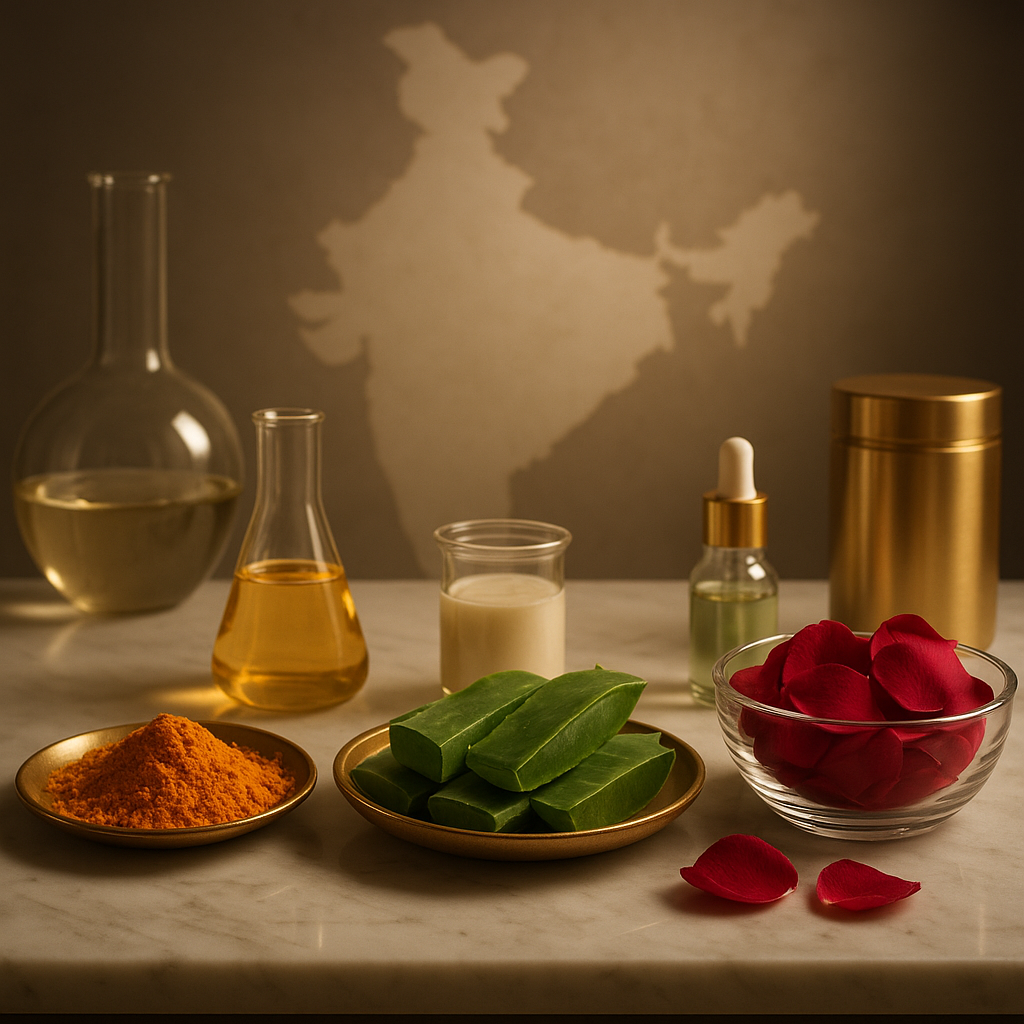
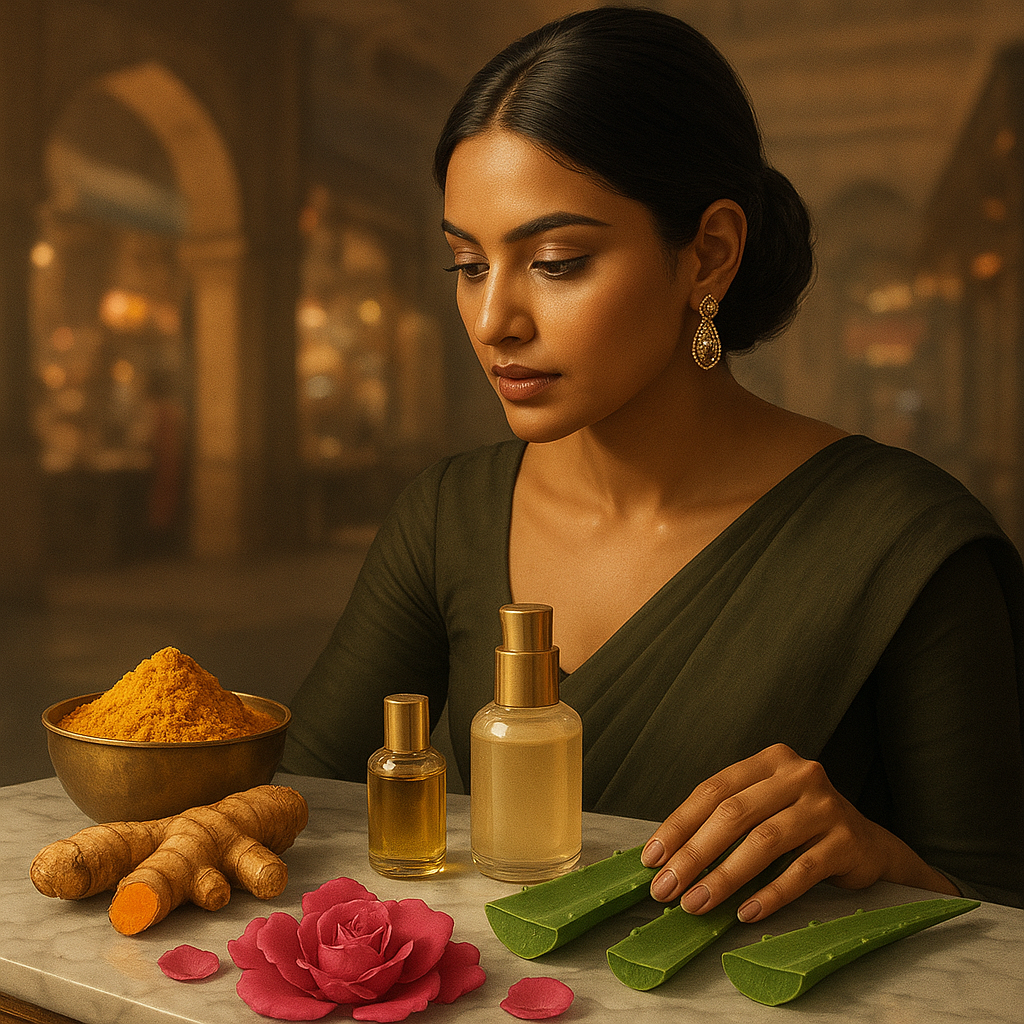
Second, leveraging consumer data enables hyper-personalized marketing. The Body Shop’s digital platforms utilize AI-powered analytics to track consumer preferences and purchasing behavior, tailoring content to highlight specific ingredient benefits relevant to individual skin types and concerns. For example, users with sensitive skin receive targeted information about soothing ingredients like aloe vera and chamomile, while those interested in anti-aging products learn about the efficacy of vitamin C and hyaluronic acid.
- Ingredient transparency: Detailed disclosures on sourcing, extraction methods, and environmental impact.
- Scientific backing: Collaborations with dermatologists and independent labs to validate claims.
- Personalized messaging: AI-driven content customization based on consumer profiles.
- Interactive digital content: Tutorials, ingredient spotlight videos, and virtual consultations.
- Sustainability integration: Emphasis on cruelty-free, vegan, and ethically sourced components.
Third, storytelling remains pivotal but is now anchored in authenticity rather than aspiration alone. Rahul Shanker’s teams craft narratives that connect ingredients to cultural heritage, environmental stewardship, and social impact. For example, campaigns highlight how shea butter is sourced from women’s cooperatives in Ghana, linking product benefits with empowerment stories.
This comprehensive ingredient-led approach aligns with global trends while catering to India’s unique demographic and cultural diversity, making it a robust marketing model.
Current Developments in 2026: Digital Innovation and Consumer Empowerment
In 2026, ingredient-led beauty marketing in India is no longer a niche strategy—it’s mainstream. The Body Shop India’s campaign rollouts this year illustrate how digital innovation amplifies ingredient narratives.
One notable development is the integration of augmented reality (AR) and artificial intelligence (AI) in enhancing consumer education. The Body Shop’s mobile app now features an AR ingredient scanner, allowing consumers to scan product labels in-store or at home and instantly access rich multimedia content about each ingredient’s benefits, sourcing, and sustainability footprint.
Moreover, AI-powered chatbots provide personalized skincare recommendations based on ingredient preferences and skin assessments, increasing consumer engagement and purchase confidence. These tools reflect a broader trend of technology-enabled ingredient transparency.
Another significant trend is the rise of user-generated content focused on ingredient experiences. Consumers share detailed reviews and videos analyzing ingredient performance, creating a community-driven ecosystem that reinforces ingredient-led marketing efforts.
“Technology has empowered consumers to become co-creators of the beauty narrative, pushing brands to maintain genuine transparency and continuous innovation,” Rahul Shanker remarked in a recent interview.
Furthermore, sustainability considerations are now deeply embedded in ingredient marketing. The Body Shop India has expanded its range of cruelty-free, vegan, and biodegradable products, with detailed disclosures on carbon footprint and water usage for each ingredient. This transparency addresses the growing eco-conscious segment within Indian consumers, especially urban millennials.
Regulatory frameworks have also tightened, requiring stricter ingredient disclosures and prohibiting misleading claims. Brands that lead in ingredient transparency gain a competitive edge by proactively complying and building consumer trust.
These developments reflect a maturing market where ingredient-led marketing is not just about product education but about creating an integrated, immersive consumer experience.
Industry Impact and Expert Perspectives
The shift toward ingredient-led marketing is reverberating across the Indian beauty industry. Rahul Shanker’s leadership at The Body Shop India has catalyzed broader adoption of these principles among competitors and emerging brands.
Industry experts note that this transformation has elevated consumer expectations around authenticity and ethical responsibility. Marketing agencies specializing in beauty have revamped their strategies to incorporate ingredient expertise, employing scientists and nutritionists as brand ambassadors alongside traditional influencers.
Consultant and beauty marketing veteran Arjun Desai observes, “Ingredient-led campaigns demand a blend of scientific rigor and creative storytelling. Rahul Shanker’s approach at The Body Shop India sets a high benchmark, especially in digitally savvy markets like India.”
- Increased collaboration between R&D and marketing teams to ensure accuracy and engaging content.
- Adoption of blockchain technology to verify ingredient provenance and supply chain transparency.
- Growing investment in digital platforms that support ingredient education and consumer interaction.
- Enhanced regulatory scrutiny fostering industry-wide improvements in labeling and claims.
The Body Shop India’s success has inspired startups and legacy brands alike to pivot toward ingredient-first narratives, fostering a more informed and empowered consumer base. This evolution also aligns with global beauty trends, positioning India as a potential leader in ingredient transparency innovation.
“We’re witnessing a cultural shift where beauty is not just skin deep but ingredient deep,” Rahul Shanker concluded at a recent industry forum, underscoring the profound implications for marketing, product development, and consumer engagement.
Future Outlook: What Marketers Must Watch and Act On
Looking ahead, ingredient-led beauty marketing in India is poised to deepen its impact. Brands must navigate a complex landscape shaped by evolving consumer expectations, technological advances, and regulatory frameworks.
Key future trends to watch include:
- Advanced Personalization: Leveraging AI and genomics to deliver ultra-customized ingredient recommendations and formulations.
- Deeper Sustainability Integration: Transparency will extend beyond ingredients to include full lifecycle impact and circular economy practices.
- Collaborative Consumer Engagement: Brands will co-create with consumers through interactive platforms emphasizing ingredient knowledge.
- Global-Local Ingredient Narratives: Balancing international scientific credibility with local ingredient heritage and cultural relevance.
- Regulatory Harmonization: Anticipating stricter global standards on ingredient claims and transparency, requiring agile compliance strategies.
For marketers, the imperative is clear: ingredient-led marketing is no longer optional but foundational. Rahul Shanker’s approach at The Body Shop India offers valuable lessons on integrating science, authenticity, and technology to build enduring consumer trust.
Those interested in a deeper dive into the nuances of this transformation can explore related analyses such as Why Beauty Marketing in India Is Turning Ingredient-First, According to Rahul Shanker and Why Ingredient-Led Beauty Marketing Is Reshaping India’s Cosmetics Industry for comprehensive perspectives.
In sum, the future of beauty marketing in India hinges on transparency, education, and meaningful engagement with ingredients—a paradigm where brands like The Body Shop India are leading the charge.