Shifting Sands: The Rise of Ingredient-Led Beauty Marketing in India
In the bustling markets of India, where traditional beauty rituals have long held sway, a subtle but powerful transformation is underway. The beauty industry, once dominated by aspirational imagery and celebrity endorsements, is increasingly pivoting towards ingredient transparency and authenticity. Rahul Shanker, the visionary marketing head at The Body Shop India, encapsulates this change succinctly: beauty marketing has turned serious and ingredient-led.
Consider this: a 2025 consumer survey by Nielsen India revealed that 65% of Indian beauty buyers now actively seek products based on ingredient knowledge rather than brand prestige alone. This statistic signals a fundamental shift in consumer priorities, marking a move from surface-level glamor to a deeper, more informed engagement with product formulations.
"Ingredients are no longer just components; they have become the language through which consumers communicate their trust and expectations," says Rahul Shanker, underscoring the gravity of this trend.
This paradigm shift has crucial implications for digital marketing teams across the beauty sector. They must now craft narratives that seamlessly combine science, ethics, and storytelling to resonate with a discerning audience that is less swayed by hype and more by substance. India's digital-savvy millennials and Gen Z shoppers, armed with smartphones and instant access to information, are democratizing beauty knowledge, demanding accountability from brands.
The Body Shop India's journey, led by Shanker, offers a compelling case study in this new era. Their campaigns emphasize ingredient sourcing stories, sustainability, and clinical efficacy, blending education with engagement. This approach not only builds credibility but also aligns with global trends of conscious consumption and ethical beauty.
Historical Context: From Glamour to Ingredient Transparency
The evolution towards ingredient-led marketing did not happen overnight. For decades, Indian beauty advertising was dominated by aspirational visuals and celebrity endorsements, with little emphasis on product content. This mirrored global patterns where brand image often trumped formulation details.
However, the 2010s saw the gradual emergence of wellness and natural beauty trends, fueled by rising health awareness and environmental concerns. Indian consumers began questioning the safety and ethical sourcing of beauty products, paralleling a global awakening to clean beauty concepts.
By the early 2020s, the proliferation of social media platforms and beauty-focused content creators accelerated this change. Influencers began dissecting product ingredients, educating followers on the benefits and risks of various compounds. This democratization of knowledge put pressure on brands to be transparent and authentic.
Rahul Shanker reflects on this transition: "The Body Shop has always championed ethical sourcing, but the challenge was making that story resonate with a modern audience who demands proof, not just promises." His team embraced digital tools to share detailed ingredient narratives, sourcing trips, and scientific insights, setting a new benchmark for engagement.
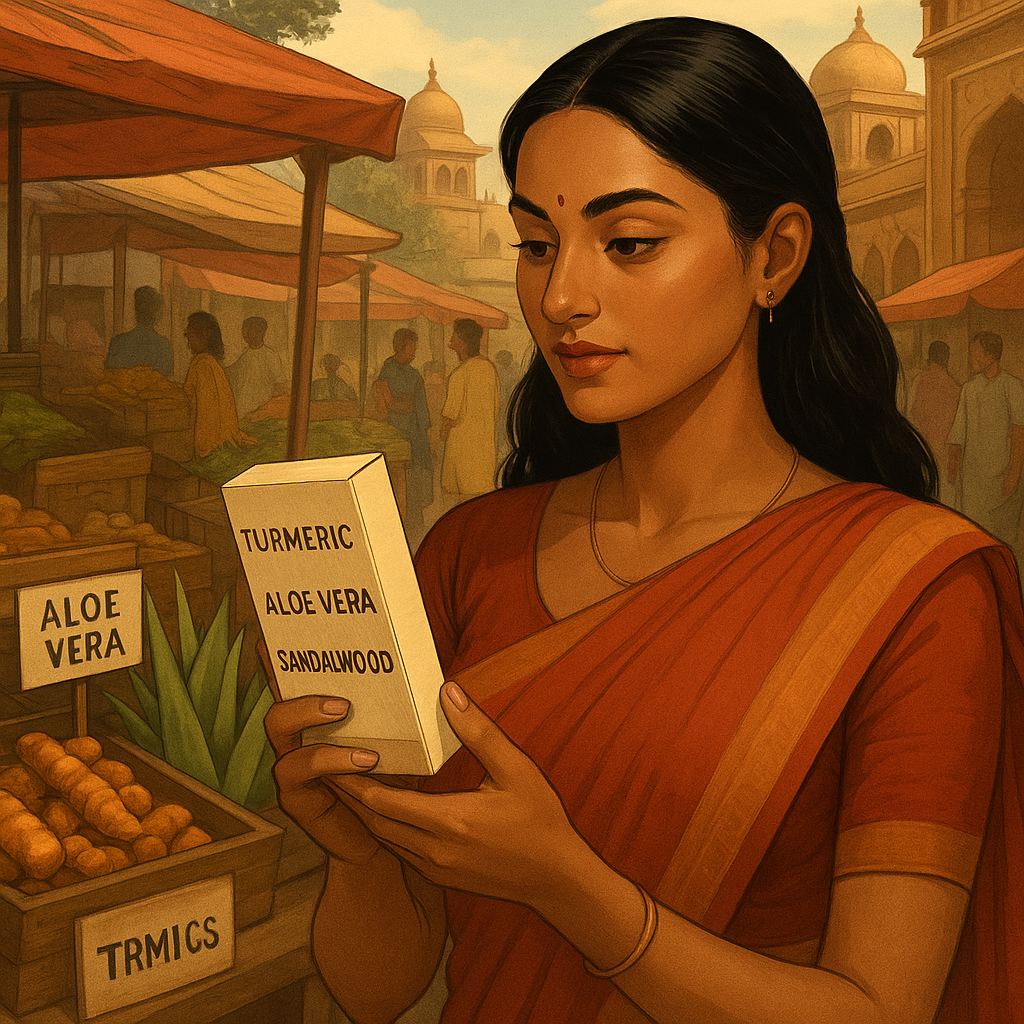
India's unique cultural context also plays a role. Traditional Ayurvedic ingredients like turmeric, neem, and sandalwood have regained prominence, merging ancient wisdom with modern formulations. Ingredient-led marketing thus bridges heritage and innovation, appealing to national pride and contemporary sensibilities alike.
Data-Driven Insights: The New Metrics of Beauty Engagement
Behind the scenes of this ingredient-led revolution lies a wealth of data analytics and consumer insights shaping marketing strategies. According to Statista data, the Indian beauty and personal care market grew at an annual rate of 12.8% from 2022 to 2025, with natural and organic segments expanding even faster.
Marketing teams now leverage this data to tailor campaigns that emphasize ingredient efficacy and transparency. For example, The Body Shop India reported a 40% increase in engagement on ingredient-focused content compared to traditional product ads. This aligns with observed consumer behavior trends showing longer dwell times on educational content and higher conversion rates for products marketed with detailed ingredient information.
"Our analytics show that consumers want to understand what goes into their products as much as how those products look or smell," Shanker explains. "This insight drives our content strategy and product development."
The industry's shift is also evident in digital advertising metrics. Instagram and YouTube beauty communities have exploded with ingredient-centric discussions, while ecommerce platforms highlight product ingredient lists and certifications more prominently.
- Ingredient Transparency: 78% of Indian consumers check ingredient lists before purchase (Nielsen 2025)
- Preference for Natural Ingredients: 68% prefer products with natural or Ayurvedic components
- Sustainability Impact: 55% are willing to pay a premium for ethically sourced ingredients
- Digital Engagement: Ingredient-focused posts garner 35% higher engagement rates on social media
- Repeat Purchase Correlation: Transparent ingredient communication increases repeat buys by 25%
These figures illustrate the profound impact ingredient-led marketing has had on consumer trust and loyalty, encouraging brands to rethink their messaging frameworks fundamentally.
Current Developments in 2026: The Body Shop India Leading the Charge
As of 2026, The Body Shop India stands at the forefront of ingredient-led beauty marketing, propelled by Rahul Shanker's strategic vision. The company has integrated advanced digital storytelling techniques, combining immersive video, influencer collaborations, and interactive platforms to educate consumers effectively.
One notable innovation is their "Ingredient Journey" campaign launched in early 2026, which traces the lifecycle of key raw materials from ethical farms in India to the final product. This campaign, promoted across Instagram and YouTube, has been a resounding success, increasing brand affinity among younger demographics.
Additionally, The Body Shop has adopted AI-driven personalization tools to recommend products based on skin type, ingredient sensitivities, and ethical preferences. This data-driven customization enhances user experience and aligns with the ingredient transparency ethos.
Rahul Shanker comments on these advances: "In 2026, consumers expect more than just a product; they want a trusted partner in their beauty journey. Our ingredient-led approach, supported by technology, delivers that trust and personalization."
"Our commitment to ingredient integrity is matched only by our commitment to digital innovation," Shanker adds, highlighting the synergy between content and technology.
Moreover, The Body Shop India's sustainability initiatives have deepened, with transparent reporting on carbon footprints and fair-trade sourcing. These efforts not only fulfill consumer demands but also comply with increasingly stringent regulatory standards in India and globally.
This holistic ingredient-led marketing strategy contrasts sharply with many competitors who still rely heavily on celebrity endorsements or superficial branding, positioning The Body Shop as a pioneer in a rapidly evolving landscape.
Expert Perspectives and Industry Impact
Industry experts concur that ingredient-led marketing is reshaping the Indian beauty sector fundamentally. Dr. Anjali Mehta, a leading cosmetic chemist, observes that "ingredient transparency fosters educated consumers who can discern product quality, pushing brands to innovate and maintain high standards."
Marketing analysts note that this trend also aligns with India's broader digital transformation, where access to information empowers consumers to demand accountability. Rahul Shanker's leadership exemplifies how brands can leverage authenticity and data to build meaningful connections.
Critically, this shift impacts supply chains and product development, as ingredient sourcing becomes a key marketing pillar rather than a backend process. Brands investing in sustainable, traceable ingredients reap reputational benefits and long-term consumer loyalty.
- Supply Chain Transparency: Companies must disclose ingredient origins and ethical certifications.
- Content Strategy: Marketing teams produce educational materials explaining ingredient benefits.
- Consumer Trust: Transparency reduces skepticism and increases brand loyalty.
- Product Innovation: Formulations prioritize natural, safe, and effective ingredients.
- Regulatory Compliance: Clear labeling meets evolving Indian and global standards.
Such changes ripple across the industry, compelling legacy players and startups alike to rethink their marketing and operational models. TheOmniBuzz's previous coverage, including How Ingredient-Driven Marketing Is Redefining Beauty in India and Why Ingredient Transparency Is Revolutionizing Beauty Marketing in India, underscores this transformation and highlights case studies illustrating best practices.
The Road Ahead: What Brands Must Do to Stay Relevant
Looking forward, beauty brands in India must embrace ingredient-led marketing not as a trend but as a foundational strategy. Rahul Shanker advises marketers to prioritize three core elements:
- Deep Ingredient Education: Equip consumers with clear, scientifically accurate information.
- Ethical Storytelling: Highlight sustainability and community impact behind ingredients.
- Technological Integration: Use AI and interactive platforms to personalize and enhance engagement.
Failure to adapt risks alienating an increasingly informed and values-driven consumer base. Brands that succeed will combine transparency with innovation, forging trust and loyalty in a competitive market.
"The future of beauty marketing lies in authenticity and science working hand in hand," Shanker concludes, reflecting the ethos guiding The Body Shop India's strategy.
For digital marketing professionals, this means crafting multi-channel campaigns that balance educational content with emotional storytelling, leveraging data analytics to refine messaging continuously.
As consumer expectations evolve, ingredient-led marketing offers a blueprint for sustainable growth, resonating with India's rich heritage and modern aspirations. The Body Shop India's leadership under Rahul Shanker exemplifies how to navigate this complex terrain successfully.
For more insights on ingredient-driven strategies transforming Indian beauty marketing, readers can explore related analyses such as How Ingredient-Driven Marketing Is Redefining Beauty in India and Why Ingredient-Driven Beauty Marketing Is Reshaping Indian Consumer Trust.