Homeowners in Tinley Park and nearby towns are good at living with small imperfections. A tab lifts a little. A caulk line cracks. A ceiling shows a pale circle that seems stable. Illinois weather does not respect that patience forever. Freeze thaw cycles, summer storms, and wind driven rain turn minor openings into wet insulation, soft sheathing, and invoices that dwarf the original repair.
Recognizing the tipping point is a skill. It is not panic. It is pattern reading. When a flaw grows, repeats after rain, or sits at a known water path like a valley, chimney, or window head, the DIY patch lane is ending. Trusted exterior repair services earn their place by explaining that shift without turning every visit into a full house rebuild pitch.
Signals that a small fix is no longer small
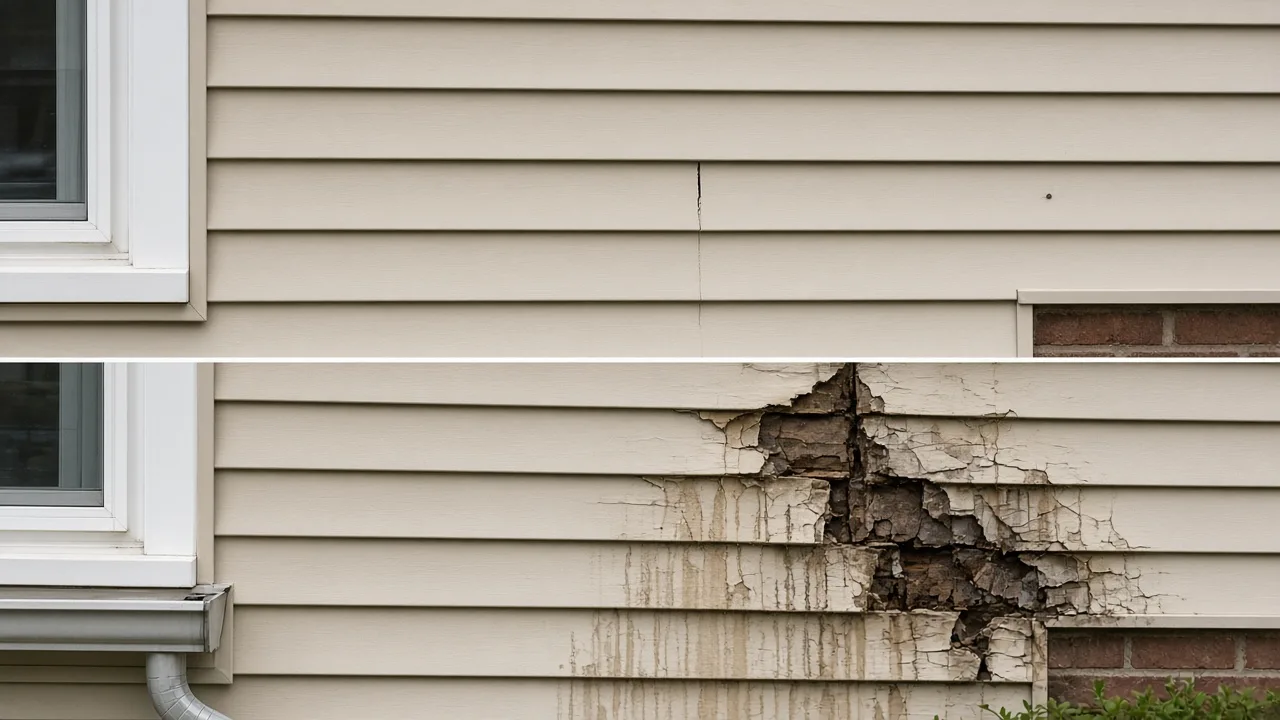
Water appears in the same spot after unrelated storms. Soft spots show underfoot on a porch roof or under a screwdriver tip on fascia. Paint peels in islands rather than thin edges. Vinyl buckles along a sunny wall. Granules fill the same downspout after every heavy rain. Interior musty odor rises in humid weeks even when you see no active drip. Each signal can have a simple cause. Clusters of signals usually mean a system problem.
Height changes the math. A loose shingle on a low ranch porch may be a careful DIY candidate for some skilled owners. The same tab on a steep two story in Orland Park is a fall risk and a leak risk. Soft sell contractors will tell you when to stay on the ground. Reckless bids will sell you courage you do not need.
Moisture paths beat surface cosmetics
Caulk over a failed window flange traps water. Paint over wet fascia hides rot for a season. A tarp left for months becomes a maintenance plan by accident. Address the path: flashing, underlayment, weather barrier, gutter slope, and intake ventilation. Cosmetics come after the house is closed to weather. That sequence is how small repairs stay small.
How to triage this weekend
Photograph the issue dry and after rain. Note dates. Check the attic above stains with light and caution. Look outside for missing tabs, open seams, overflow marks on siding, and soft trim. Write what you already tried. Honest history helps an estimator separate a new leak from an old patch that failed. Then decide whether the next step is monitoring, a targeted repair, or a wider scope.
Ask three questions. Can a mistake put water into framing. Can a fall from this height seriously hurt someone. Does the town expect a permit for this work. If any answer is yes, pause the big box run and call a licensed local company. Clearway Exteriors serves Illinois suburbs with roofing, siding, gutters, windows and doors, painting, and soffit and fascia work from its Tinley Park shop under license IL 104.020391.
What a trustworthy repair conversation sounds like
You hear options ranked by urgency. You hear material names and edge details. You hear what can wait until a warmer week and what cannot survive another freeze. You do not hear guarantees about insurance checks. You do hear how callbacks work. Free estimates and free roof inspections create space for that education. Senior and veteran discounts may apply for qualifying households, but clarity should matter more than a coupon tone.
Compare bids on scope, not only on the bottom line. A lower number that skips ice and water shield at a vulnerable eave can become the expensive number next spring. Ask who will be on site, how weather delays are handled, and how change orders are written when hidden damage appears. Paper trails protect both sides.
Living with a watch list without denial
Some conditions truly can wait a few weeks with monitoring. A hairline drywall stain that never returns after a one time ice dam may stay on a watch list while you improve attic air sealing. A soft corner that flexes under thumb pressure should not wait until spring landscaping season. Judgment improves when you separate cosmetic annoyance from structural moisture risk.
Keep a simple exterior calendar: gutters in late fall, attic glance after major storms, caulk check before winter, and a professional look when patterns emerge. Neighbors in Mokena, New Lenox, and Bolingbrook share similar builder eras. Their stories help, but your photos decide. When in doubt, a short inspection costs less than a long leak.
Illinois seasons reward homeowners who keep simple notes after each hard rain, including where water collected and how long stains took to dry on interior ceilings.
Across Tinley Park, Orland Park, Frankfort, Mokena, New Lenox, Joliet, and Bolingbrook, the same builder eras repeat, so local crews often recognize failure patterns before they become emergencies.
Educational estimates should leave you able to explain the moisture path in plain words to anyone sharing the decision, including which edges matter most on your particular elevation.
Safety stays first on ladders and roofs: if wind is rising or decking feels soft, step down and photograph from the ground until a licensed crew can evaluate the area.
Written scopes, permit habits, and clear callback policies are quiet signs of professionalism that matter as much as the finish you see from the curb on day one.
When weather delays a project, ask how the house will stay closed overnight and who monitors temporary protection until permanent materials go back on.
Illinois seasons reward homeowners who keep simple notes after each hard rain, including where water collected and how long stains took to dry on interior ceilings.
Across Tinley Park, Orland Park, Frankfort, Mokena, New Lenox, Joliet, and Bolingbrook, the same builder eras repeat, so local crews often recognize failure patterns before they become emergencies.
If a small flaw has started acting like a larger problem, talk with trusted exterior repair services in Illinois with Clearway Exteriors. Bring your photo timeline and your questions about what can wait. A calm, specific plan protects the budget and the dry rooms you care about most.