Unveiling Dropshipping’s Quiet Surge: A Scene from 2026
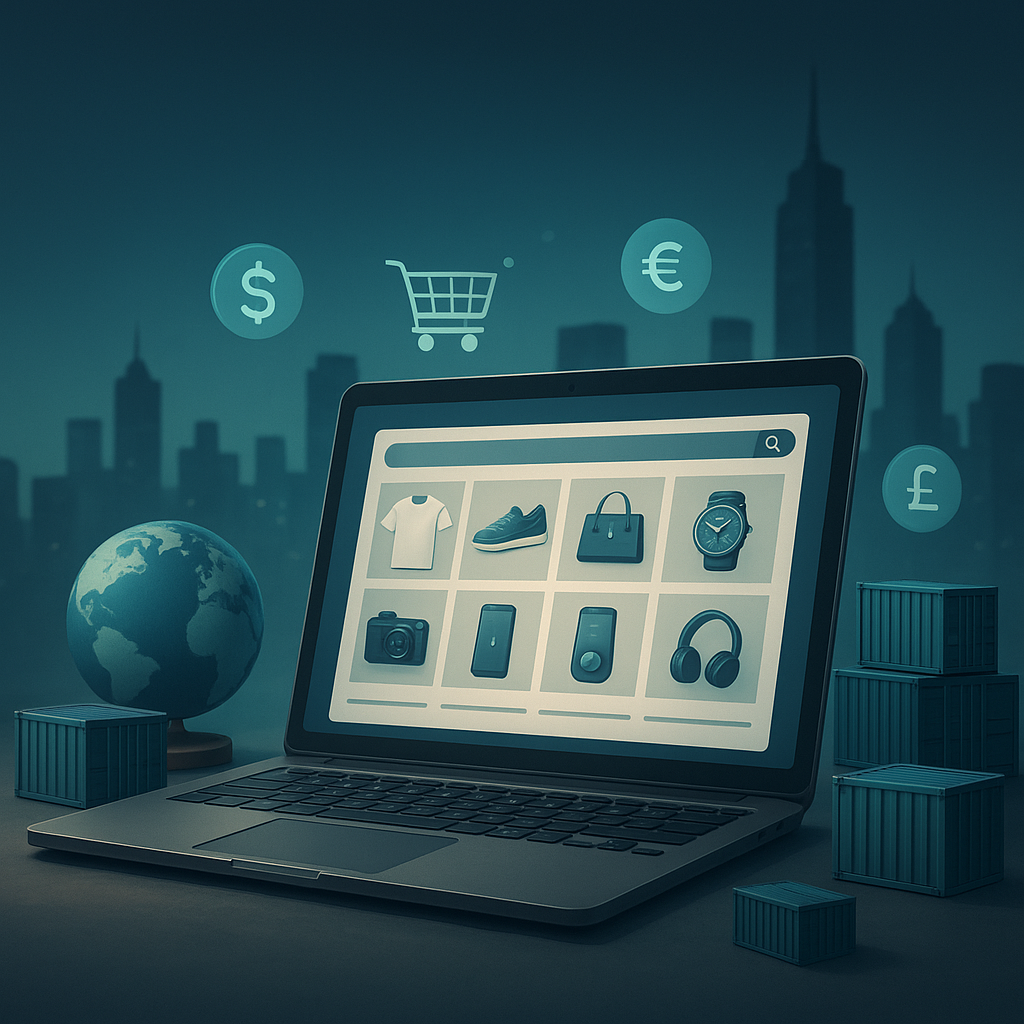
In a bustling warehouse on the outskirts of Berlin, rows of automated packing stations hum quietly. Yet, none of the hands here belong to the retailer selling the products. Instead, the retailer operates remotely from a compact home office, orchestrating sales, marketing, and customer engagement. This is the new face of dropshipping in 2026 – an ecommerce model that often flies under the radar but now forms the backbone of countless successful online businesses worldwide.
Unlike traditional inventory-heavy retail, dropshipping allows merchants to sell products without holding stock. Instead, orders are forwarded to suppliers who ship directly to customers. This setup has evolved from its early 2020s reputation as a low-barrier entry point for entrepreneurs into a sophisticated, tech-driven ecosystem leveraging AI, automation, and strategic supplier partnerships.
According to industry estimates, dropshipping accounts for nearly 18% of global ecommerce revenue in 2026, up from just 7% in 2020. This surge is propelled by advancements in supply chain integration and data analytics, making it a formidable contender in the broader ecommerce landscape.
"Dropshipping is no longer a fallback; it’s a strategic pillar for ecommerce brands that prioritize agility and customer-centricity," remarks Sofia Martinez, Chief Strategy Officer at ShopPulse, a leading dropshipping platform.
From Humble Origins to Strategic Powerhouse: How Dropshipping Got Here
The roots of dropshipping stretch back to the early 2000s, where it was primarily a niche practice among small-scale online sellers on platforms like eBay and early Shopify stores. The model’s appeal was clear: minimal upfront investment and the ability to test product-market fit without committing capital to inventory.
However, the early days were fraught with challenges—long shipping times, poor supplier reliability, and limited brand control. By the mid-2010s, dropshipping was often associated with low-quality goods and customer dissatisfaction. Many dismissed it as a short-term gimmick rather than a sustainable business model.
The turning point came around 2023, when ecommerce SaaS providers began integrating advanced supply chain APIs and AI-driven inventory forecasting tools. These technologies enabled real-time stock updates and predictive demand analysis, addressing the pain points that plagued early dropshippers.
Furthermore, the global logistics landscape matured with faster shipping corridors and more localized supplier networks, making dropshipping viable for markets demanding speed and reliability.
Today, dropshipping transcends its origins as a bootstrap method. It has become a core strategy for established brands and startups alike, blending seamlessly with hybrid inventory models and direct-to-consumer (DTC) approaches.
Industry veteran Lucas Chen notes, "The evolution from a side hustle to a strategic ecommerce channel is the most significant transformation in retail logistics over the past decade."
Data-Driven Dynamics: Analyzing Dropshipping’s 2026 Landscape
Quantitative analysis reveals several key trends defining dropshipping in 2026. First, the average order fulfillment time has dropped by 35% since 2021, driven by improved supplier integrations and smarter routing algorithms. This improvement has helped erase one of the model’s most persistent drawbacks.
Second, product niches have diversified dramatically. While consumer electronics and fashion dominated early dropshipping, the model now supports categories such as sustainable home goods, specialized health supplements, and even customizable tech accessories.
Financial data from leading platforms like ShopPulse and GlobalDrop indicate that average dropshipping store revenue grew 60% year-over-year in 2025, with gross margins improving due to better supplier negotiation facilitated by AI analytics.
Below is a breakdown of notable 2026 dropshipping metrics:
- Average Order Fulfillment Time: 2.8 days (down from 4.3 days in 2021)
- Top Performing Niches: Eco-friendly products (23%), tech accessories (19%), health & wellness (15%)
- Average Gross Margin: 28%, an increase from 20% in 2023
- Repeat Purchase Rate: 32%, reflecting enhanced customer retention strategies
These figures underscore dropshipping’s growing sophistication and viability as a long-term ecommerce strategy. Moreover, integration with SaaS platforms enhances operational efficiencies, from automated marketing to customer service chatbots.
For a comprehensive strategic approach, readers can consult Mastering Dropshipping: A Strategic Blueprint for Ecommerce Success, which dissects tactical frameworks in greater detail.
2026 Breakthroughs: New Frontiers and Innovations in Dropshipping
Recent developments have turbocharged dropshipping’s capabilities. AI-powered supplier vetting tools now assess performance metrics and compliance in real-time, drastically reducing risks of stockouts or quality lapses. Additionally, blockchain-based tracking systems have introduced unprecedented transparency in the supply chain, reassuring consumers about authenticity and ethical sourcing.
Automation has extended beyond order processing. Dynamic pricing engines adjust retail prices based on competitor analysis, inventory levels, and consumer behavior signals. This real-time adaptability has been a game changer for dropshipping businesses competing on thin margins.
Another notable trend is the rise of regionalized dropshipping hubs. Instead of relying solely on suppliers in China or Southeast Asia, many merchants now leverage localized manufacturers in North America and Europe, balancing speed with sustainability.
These changes reflect a broader shift described in Dropshipping’s 2026 Renaissance: Adaptation, Innovation, and New Frontiers, emphasizing agility and ethical business practices as key success factors.
- AI-driven supplier risk assessment and vetting
- Blockchain transparency for product provenance
- Automated dynamic pricing and inventory optimization
- Localized supplier ecosystems reducing shipping times
- Green logistics initiatives to meet consumer demand for sustainability
Expert Insights: Industry Leaders Reflect on Dropshipping’s Role
Industry leaders increasingly recognize dropshipping as an indispensable part of modern ecommerce infrastructure. Sarah Goldberg, CEO of NexaCommerce, highlights its strategic value: "Dropshipping allows brands to experiment with new categories and markets without the financial burden of inventory. It’s a key driver of innovation and market responsiveness."
Meanwhile, logistics experts like Dr. Ravi Patel emphasize the importance of technology adoption: "The success of dropshipping hinges on integrating AI and automation into every touchpoint—from supplier selection to customer engagement. Those who master this integration will dominate retail’s future."
Financial analysts also note that dropshipping reduces capital lock-up, freeing resources for marketing and product development. This capital efficiency has attracted significant venture capital interest, with funding for dropshipping SaaS platforms increasing by 75% in 2025 according to market reports.
"The convergence of technology, supply chain innovation, and consumer expectations is reshaping dropshipping into a strategic powerhouse," says Goldberg.
Patel adds, "Dropshipping’s future is tied to seamless digital ecosystems that empower merchants with data and control."
Future Outlook: Navigating Opportunities and Challenges Ahead
Looking forward, dropshipping faces both promising opportunities and evolving challenges. The continued integration of AI and machine learning is expected to further optimize inventory forecasting and customer segmentation, enabling hyper-personalized shopping experiences.
However, rising consumer expectations for faster delivery and ethical sourcing will pressure dropshippers to refine their supplier networks and logistics partnerships. Environmental sustainability is becoming non-negotiable, requiring investments in green packaging and carbon-neutral shipping options.
Regulatory landscapes are also shifting. New international trade policies and data privacy laws demand greater transparency and compliance from dropshipping operations. Merchants who proactively adapt to these rules will maintain competitive advantage.
To thrive, dropshippers should:
- Invest in AI-powered supply chain management tools
- Develop hybrid inventory models to balance speed and flexibility
- Prioritize ethical sourcing and sustainability initiatives
- Leverage data-driven marketing for customer retention
- Stay abreast of regulatory changes affecting cross-border trade
For further strategic guidance, Rethinking Dropshipping: The Quiet Revolution Transforming Ecommerce offers key insights into adapting to this evolving terrain.
In conclusion, dropshipping in 2026 is no longer a fringe tactic. It has matured into a technologically empowered, strategically vital component of ecommerce. Brands that harness its full potential while navigating emerging demands will unlock new realms of growth and resilience in the digital retail era.